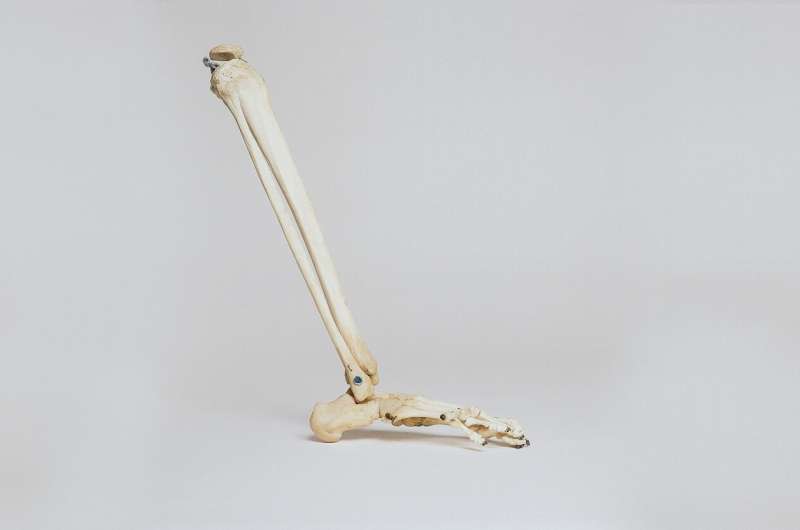
Your skeleton might feel like the most solid, unchanging part of your body. But the truth is, it's under constant renovation. Every single day, your bones are being torn down and rebuilt again.
Scientists call this process "remodeling," and it turns out your bones have their own daily rhythm, much like the internal clocks that control when you feel sleepy or hungry.
Two types of cells work together in this remodeling dance. First, cells called osteoclasts break down old or damaged bone. Then, cells called osteoblasts lay down fresh, new bone to replace what was lost. Researchers have found that this cycle follows a clear pattern throughout the day: bone breakdown tends to be highest earlier in the day, while bone formation peaks later on.
One key signal helping to keep this rhythm on track is melatonin. You might know it as the "sleep hormone," but melatonin is really the body's way of sensing darkness. As evening light fades, melatonin levels rise, telling the body that nighttime has arrived, whether you're awake or not.
In bones, melatonin appears to do two important things: it slows down the bone-breaking osteoclasts while supporting the bone-building osteoblasts. Both melatonin levels and signs of bone formation reach their highest point overnight.
This discovery has scientists wondering whether habits that mess with melatonin levels might also disrupt bone health. Late-night screen time, irregular sleep schedules, or eating late in the evening could all potentially throw off the signals that help keep your skeleton strong.
As people get older, these daily rhythms naturally become less strong. Researchers think this weakening of the body's internal clock signals may be one reason why bone loss, osteoporosis, and fractures become more common with age. Modern life, with its artificial lights and irregular schedules, may push these rhythms even further out of sync.
This idea is at the heart of something called "circadian medicine"—treating health problems by paying attention not just to what medicine people take, but when they take it. In one animal study, melatonin supplements actually protected bone more effectively when given during the day than at night, which surprised researchers.
The good news is that the same habits that support healthy sleep and energy also help bones. Keeping regular sleep and wake times, getting natural daylight in the morning, eating earlier rather than late at night, and sticking to a consistent routine all help keep the body's clocks working in sync. Exercise may also have timing benefits—bones seem to respond better to physical activity during the body's natural active phase.
Your bones adapt slowly over years, responding to the same daily choices that shape the rest of your health. Sleep, light, and timing might seem far removed from your skeleton, but your bones have been keeping track all along.