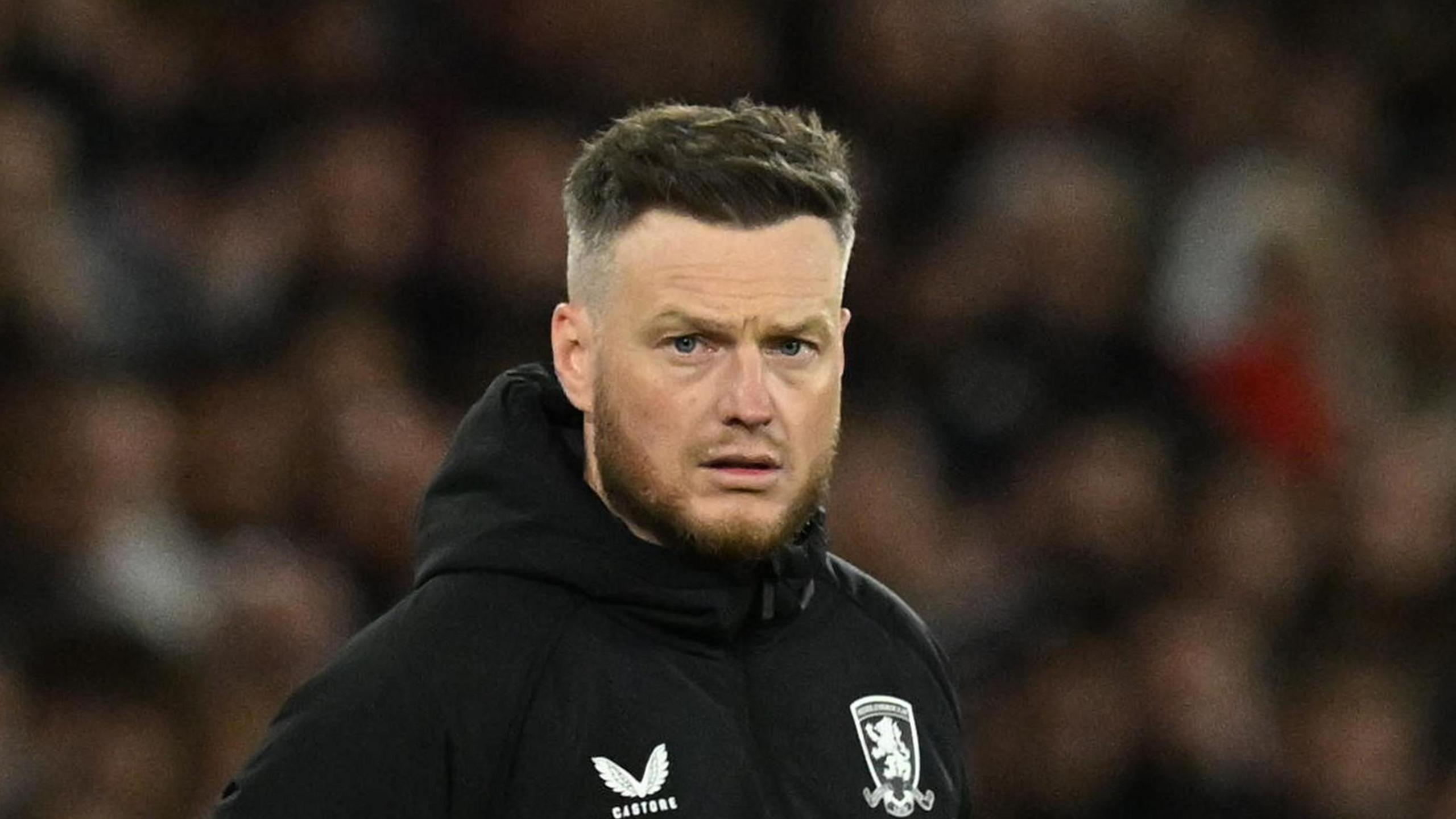
Kim Hellberg was out to dinner with his young family when the news arrived: his Middlesbrough team would play for promotion at Wembley after all. The Championship manager had spent a grueling week navigating one of English football's most unusual circumstances—a roller coaster of emotions, a break to his native Sweden, and the uncertainty of whether his team would get another chance. Now, with Southampton's expulsion upheld, that chance had come.
Hellberg's path to Wembley had been anything but conventional. After Middlesbrough's defeat in the semi-final second leg at St Mary's, he had spoken emotionally about the toll of preparation—the hours spent watching video analysis in the lead-up to the play-offs, the conviction that his meticulous work had been undercut by a competitor who had cut corners. The integrity of football itself felt at stake. But after seven turbulent days and a trip home to Sweden, he discovered that football's governing bodies had agreed: the "right thing" had been done.
Now came the logistical scramble. With the Championship final against Hull City (the Tigers) confirmed for Saturday, Hellberg faced an unusual management challenge. Thursday became the first clear day to focus solely on tactical preparation—after a full day spent sorting travel arrangements and tickets for family members. The disruption was profound. Players who had already endured the emotional whiplash of a defeat they thought eliminated them now had to re-mobilize for the sport's biggest stage.
Hellberg spoke candidly about the tension between rest and readiness. "You try to balance how much time you can give the players off but keeping them ready to come in," he explained. The solution was counterintuitive: give the squad as many days off as possible, encourage them to do other things, anything to break the cycle of waiting and talking and thinking about the match. "But it's been very, very tough," he acknowledged.
Yet there was no room for excuses when Saturday arrived. Hellberg was adamant that Middlesbrough would be ready despite the chaos—despite the unprecedented circumstances, the compressed preparation time, and the emotional turbulence that had defined the preceding week. His team had earned this moment through their season's work. The irregular path to Wembley didn't diminish what they could achieve there.
Hellberg's perspective extended beyond his own team. "The game is going ahead on Saturday, that's what everyone wants," he said. "It's best for English football in general." The conviction was clear: after a week that had tested the sport's integrity and shaken two clubs, getting back to football itself—to competition, to the pitch, to what fans and players loved about the game—was what mattered most. Middlesbrough would take their place at Wembley. The Tigers awaited. And for a manager who had fought hard for his team and its principles, that was enough.