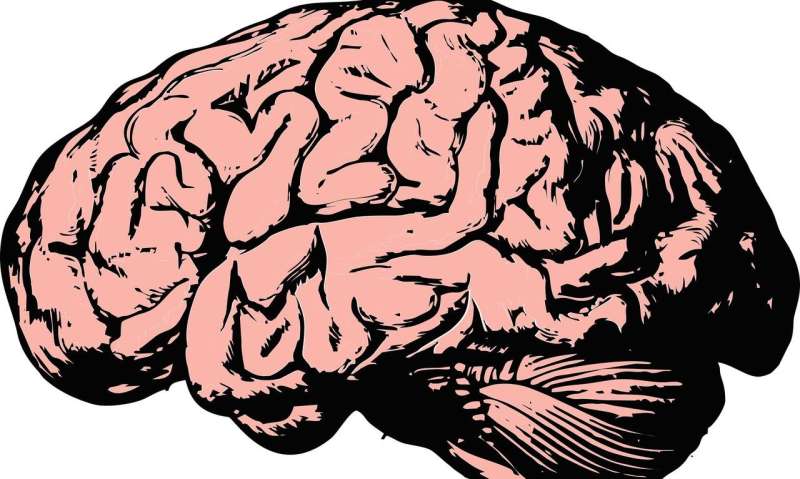
Like a car thief hotwiring a vehicle, gliomas — the most common adult brain cancer — know exactly how to steal the keys to healthy nerve cells and use them to fuel their own growth. Now, scientists have figured out exactly how this hijacking works, and what they found could eventually help patients.
Gliomas are malignant tumors that arise from support cells in the brain called glial cells. Unlike neurons, which send electrical signals, glial cells provide structure and protection. But when these support cells turn cancerous, they become especially dangerous because they can spread through healthy brain tissue, disrupting memory, vision, and even basic functions.
Researchers already knew that active neurons release a protein called neuroligin-3 (NLGN3), which normally tells healthy support cells to multiply and mature. Gliomas exploit this same signal — but until now, scientists did not understand exactly how the cancer cells sense NLGN3.
A team from multiple institutions used a technique called affinity capture chromatography to solve the mystery. They passed membrane proteins from human brain cancer cells through a solution containing purified NLGN3 to see which proteins would stick to it. The answer: a receptor called CSPG4, also known as NG2.
When NLGN3 binds to CSPG4, it physically stretches the outer membrane of the cell like blowing up a tiny balloon. This mechanical tug-of-war activates a protein called PIEZO1, which acts as the cell's pressure sensor. PIEZO1 then triggers an electrical shift that activates another protein, ADAM10, which acts like molecular scissors, cutting CSPG4 from the cell surface and resetting the system for more signals.
In healthy cells, this feedback loop helps maintain a steady supply of young support cells called oligodendrocyte precursor cells (OPCs). But in brain cancer, the same loop pushes tumor cells into overdrive, causing them to multiply and spread faster.
To test their findings, the researchers used CRISPR-Cas9 — a tool that lets scientists delete specific genes — to remove CSPG4 and PIEZO1 from human glioma cells. When these modified cancer cells were implanted into mouse brains, the tumors grew much more slowly, showing just how critical these proteins are to the cancer's success.
The researchers also deleted the Nlgn3 gene in living mice. Without this signal, healthy OPCs in the brain dropped by about 30 percent, proving that even normal brain cells depend on this feedback loop.
The study was published in the journal Nature Neuroscience.
Understanding how cancer hijacks normal nerve signals opens the door to new treatment approaches. Rather than attacking the tumor directly, future therapies might interrupt the signals gliomas need to grow — essentially disconnecting the stolen keys.