When Suhnyoung Jun thinks about how the brain works, she pictures a symphony — many instruments playing different parts at the same time, yet somehow creating a coherent whole.
Jun, a postdoctoral researcher at the Beckman Institute at the University of Illinois, just helped publish a study that changes what scientists thought they knew about the brain. For years, researchers believed the brain ran just one main process, like a single radio signal playing at different speeds. Jun and her team proved that's not true.
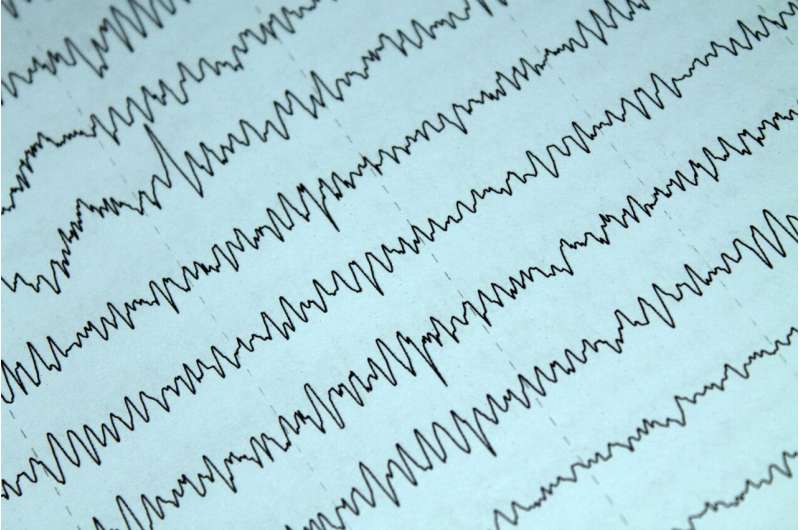
The brain actually runs many separate streams of activity all at once, each doing its own thing and moving at its own pace. This discovery came from using two brain-scanning tools at the same time: EEG, which measures electrical activity quickly, and fMRI, which tracks blood flow changes more slowly. Most scientists assumed these two tools were just watching the same activity at different speeds. Jun proved they were watching different things entirely.
"It's like when we process language," Jun said. "The brain tracks the rapid flicker of individual sounds, the slower arrival of words and the still slower thread of meaning all at once, each on its own stream."
This wasn't an easy finding to reach. The research took almost five years from the first idea to publication in the journal Proceedings of the National Academy of Sciences. Getting clean data from both scanners working together was especially tricky — Jun and her team spent years just learning how to remove unwanted noise from their measurements. They worked with collaborators in Paris and studied brain scans from 443 participants at the Minnesota Center for Twin and Family Research to confirm their results.
The implications go beyond science. Jun hopes her work will help expand which brain tools doctors can use with patients. MRI machines are expensive and loud, and some people — like young children or people with metal implants — can't use them. EEG machines are cheaper, quieter, and more flexible, but many researchers assumed they were just a poor substitute for MRI data. Jun's research shows EEG actually catches things MRI misses entirely.
"We are losing all their data," Jun said. "And the MRI-based story that's going out into the world won't represent that population."
The team also found that even though these separate brain streams work independently, they come from the same brain regions and tend to unfold in the same order, just on different timelines. It's like musicians in an orchestra who can solo or play together, each following their own sheet music while contributing to the same concert.
Jun hopes this work will eventually help people with neurological and psychiatric conditions, including dementia and autoimmune diseases. Her goal isn't just to publish papers — it's to help patients.
"I hope that my research will help more patients," she said, "and that it will be used by someone who is near to translational work."