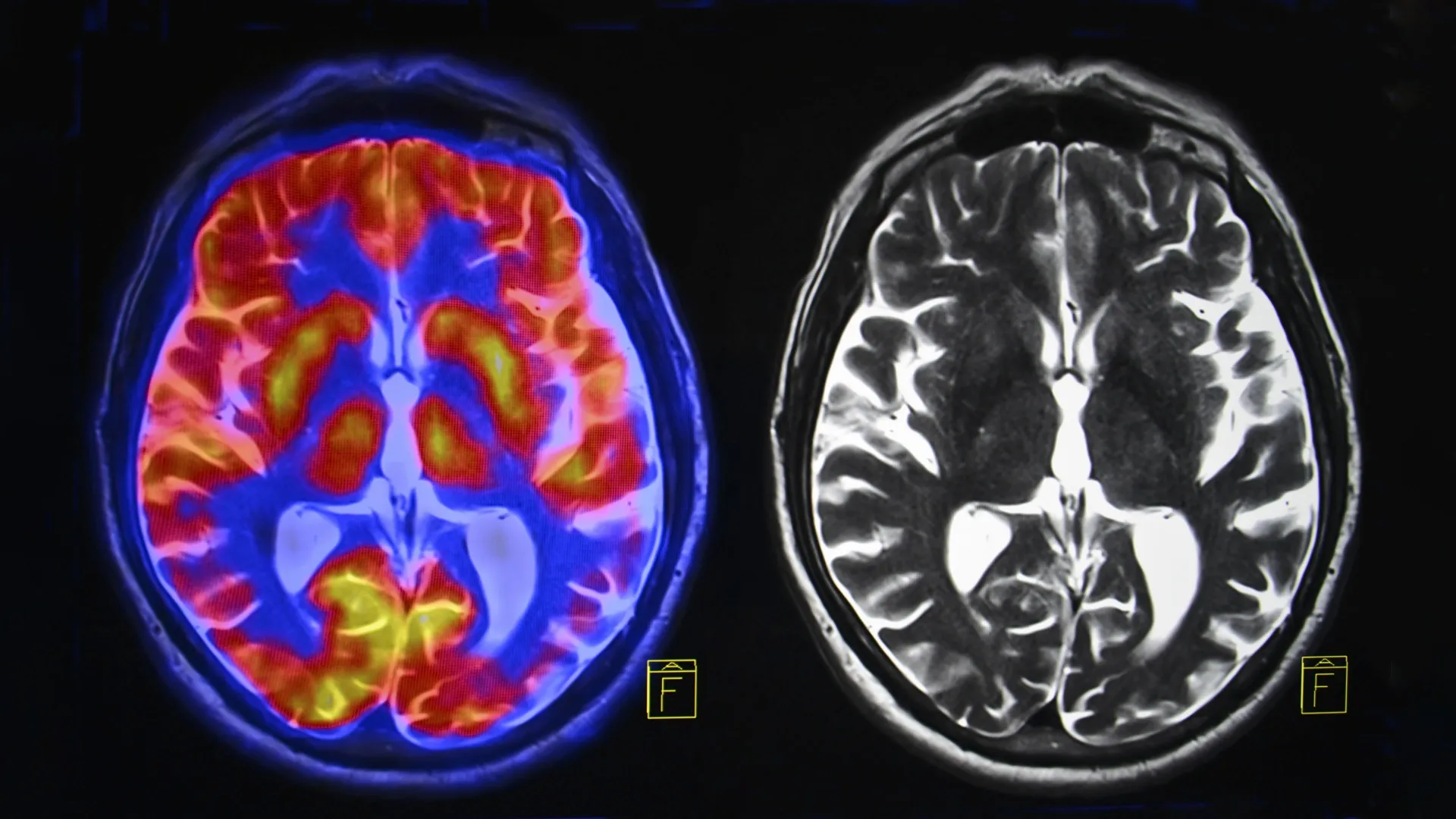
Deep in the brain imaging data from nearly a thousand children and young adults with autism, an international team of scientists has uncovered something that researchers have long suspected but never proven: autism is not one condition, but at least two biologically distinct subtypes, each shaped by different patterns of how the brain communicates with itself.
The discovery matters because for decades, clinicians and families have observed that autism presents in wildly different ways from person to person—in cognition, in behavior, in sensory experience. But until now, there has been no clear biological explanation for this variability, no way to know whether these differences reflected something fundamental or merely surface variation. This research, led by Alessandro Gozzi at Italy's Istituto Italiano di Tecnologia in Rovereto and Adriana Di Martino at the Child Mind Institute in New York, provides exactly that: a biological foundation for understanding autism's diversity, and a pathway toward more personalized care.
The team's approach was innovative. They started not with humans, but with mice—20 different genetic models that display autism-like traits. Using brain imaging and molecular analysis, they mapped which genetic and immune processes produce which patterns of brain connectivity. Then they used these patterns as a "biological Rosetta Stone," in Dr. Di Martino's phrase, to search for the same signatures in human brain scans. They analyzed data from 940 individuals with autism and more than 1,000 neurotypical controls, drawing on the Autism Brain Imaging Data Exchange, a vast international database that pools neuroimaging from dozens of research centers worldwide.
What they found was striking in its clarity. One autism subtype is marked by hypoconnectivity—reduced communication between brain regions—and is rooted in synaptic dysfunction, the wiring problems at the level of individual nerve connections. The second subtype shows hyperconnectivity—increased communication between brain regions—and is linked to immune system dysfunction. Brain regions displaying hypoconnectivity were enriched in synaptic genes, while hyperconnected regions showed enrichment in immune-related genes, precisely mirroring what the mouse studies had revealed.
Importantly, these subtypes appeared consistently across multiple independent datasets—a finding that Dr. Gozzi emphasizes as critical validation. Together, these two groups represented about 25 percent of the autism population studied, suggesting that while these subtypes are real and reproducible, autism's biological diversity extends further still.
The two subtypes also showed subtle but meaningful differences in overall brain organization and on standard autism assessments. Individuals in the hyperconnectivity group tended to score higher on measures of autism severity, suggesting that these brain-level distinctions capture differences that behavioral measures alone may miss.
The researchers are careful to note that these two subtypes likely represent only part of autism's biological complexity. As datasets grow larger and analytical methods sharpen, additional subtypes may emerge. But for now, this work opens a door that has been locked for far too long: the possibility of matching individual autistic people to biologically grounded interventions tailored to their specific neurological profile. In a field that has long treated autism as a single diagnostic entity requiring one-size-fits-all approaches, that shift toward precision medicine could transform how we understand and support autistic lives.