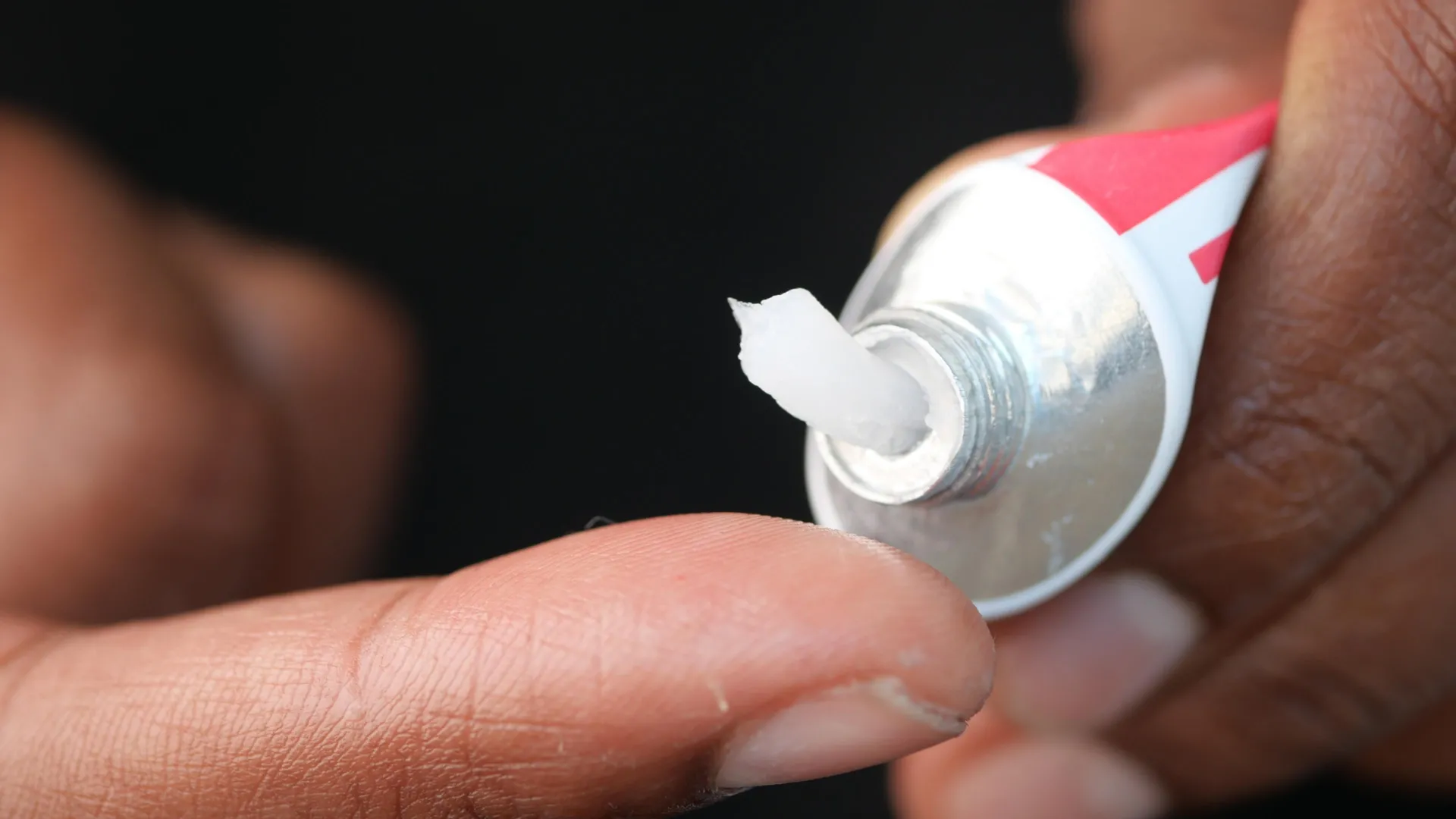
At Boston University's Aram V. Chobanian and Edward Avedisian School of Medicine, researchers have discovered that a drug called ABT-263, applied directly to aging skin, can dramatically accelerate wound healing by clearing away senescent cells—the biological equivalent of "zombie cells" that clog older tissue and interfere with repair.
Senescent cells are damaged cells that refuse to die. Instead, they accumulate over time, releasing inflammatory signals and molecules that weaken the skin's ability to heal itself. As we age, this cellular traffic jam becomes a real problem: older skin simply doesn't respond as quickly to injury, increasing the risk of prolonged recovery after surgery, delayed wound closure, and complications for people with chronic skin conditions. The research team, led by Maria Shvedova and Daniel S. Roh, set out to test whether removing these lingering cells could reverse that decline.
The team applied ABT-263, a senolytic drug designed to selectively eliminate senescent cells, directly to the skin of aged mice for five days. The results were striking. By day 24, 80 percent of the treated mice had fully healed wounds, compared with just 56 percent of untreated mice. The skin showed fewer signs of cellular aging after treatment, and when researchers then created small wounds, the healing machinery in the treated mice kicked into overdrive. Gene activity surged in areas tied to collagen production, blood vessel growth, tissue remodeling, and other processes essential for closing and strengthening damaged skin.
One unexpected twist: ABT-263 briefly increased inflammation in the skin. In many cases, inflammation is the villain of the aging story, but here it appeared to be a helpful wake-up call, preparing sluggish healing pathways to get to work. It's a reminder that biology rarely follows simple rules.
What makes this approach particularly promising is that it's topical. Other senolytic drugs that target these zombie cells have to be taken orally, which means they circulate through the entire body and risk unwanted side effects. ABT-263 applied directly to skin offers a focused approach: fix the problem where it lives, without systemic consequences. The treatment also appeared to work specifically in older tissue—it didn't have the same effect in young mice—suggesting it's most active where senescent cells have actually built up.
The implications are substantial. One day, doctors might apply such a treatment before surgery to prepare aging skin in advance, rather than waiting for wounds to struggle with healing. For people at high risk of poor wound recovery, this could shift the trajectory of their care.
The broader field is moving in the same direction. A 2025 review in Ageing Research Reviews described cellular senescence as a key driver of skin aging and disease. More recently, researchers developed a localized wound dressing carrying ABT-263 that reduced senescent cell burden in diabetic mice—a major medical challenge—and showed no detectable systemic toxicity. Scientists are learning to be precise: remove the harmful lingering cells without disrupting the useful early repair signals that senescence can actually provide during normal wound healing.
These findings remain early-stage. The ABT-263 study was conducted in mice, and scientists still need to determine whether the treatment is safe and effective in people, as well as answer critical questions about dosing, timing, and long-term safety. But the pathway is clear: targeting zombie cells in aging skin could one day transform healing after injury and surgery in older adults.