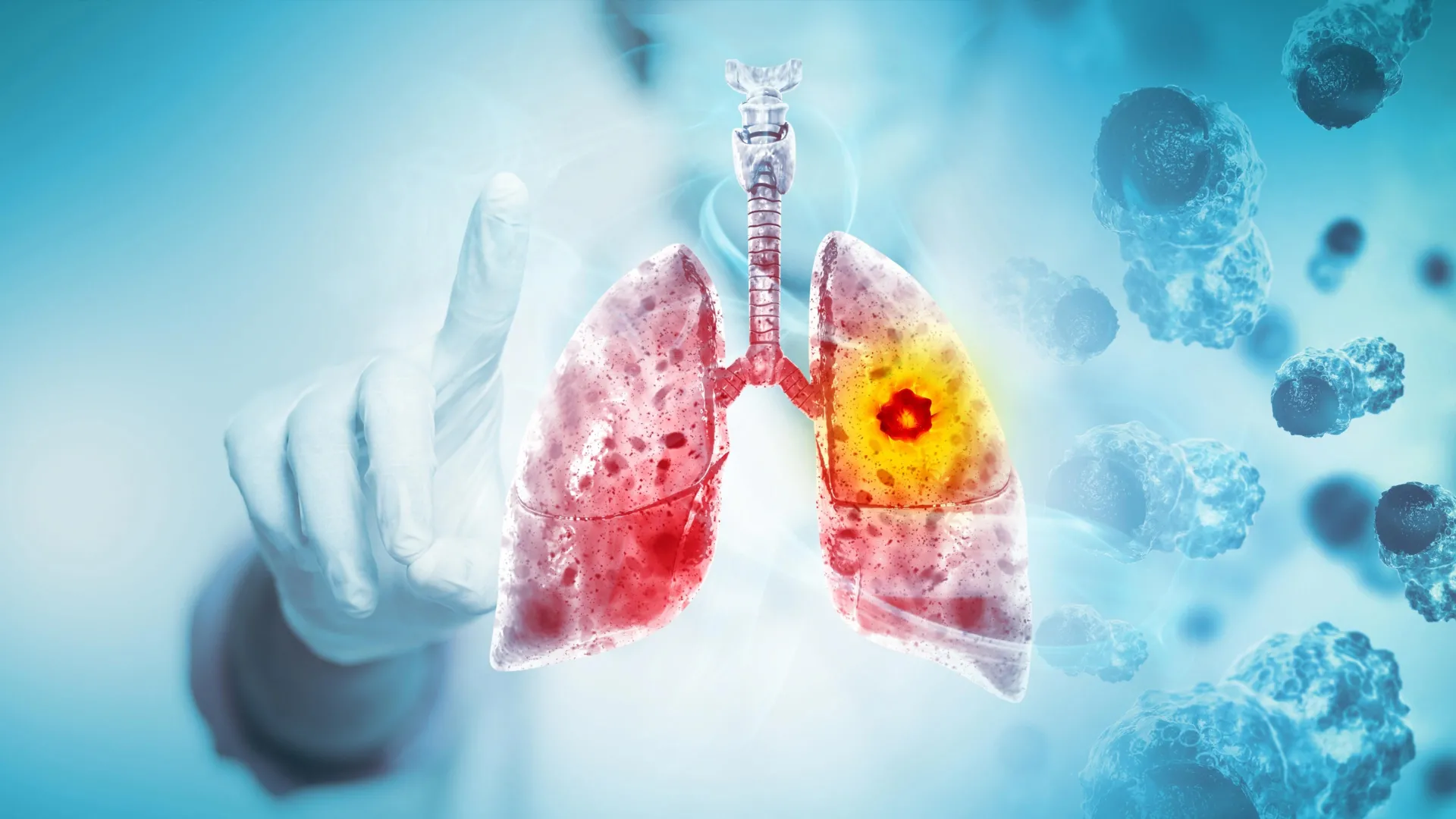
In a laboratory in Wuhan, researchers have cracked a puzzle that has long haunted cancer treatment: how to stop chemotherapy from crippling the very immune system needed to defeat tumors. The answer came from an unexpected place — healthy mitochondria harvested from heart muscle cells, transplanted directly into lung tumors to restore the energy reserves of weakened immune fighters.
Lung cancer kills more people than any other malignancy worldwide, and non-small cell lung cancer accounts for 85% of those cases. While chemotherapy remains the frontline treatment for advanced NSCLC, it carries a steep cost: it damages the immune cells supposed to mop up cancer's remnants, and tumors have learned to steal mitochondria from immune cells through nanotube-like structures, further draining their power. Current immunotherapy helps some patients but leaves many still trapped by resistant tumors. Scientists at Tongji University School of Medicine and Nantong University saw an opening.
What if they could simply hand immune cells new mitochondria — fresh power plants to restore their punch? The team, led by Dr. Liuliu Yuan, isolated healthy mitochondria from human heart muscle cells, cells evolved to burn energy with exceptional efficiency. They transplanted these mitochondria into non-small cell lung cancer models in mice and in laboratory dishes, then paired the treatment with cisplatin, a standard chemotherapy drug.
The results were striking. Mitochondrial transplantation alone did nothing to cancer cells. But combined with cisplatin, it cut the drug's effective concentration roughly in half — from 12.93 micromolar to 6.7 micromolar — meaning tumors became far more sensitive to chemotherapy. In mice, tumors shrank more dramatically than with chemotherapy alone. Immune cell infiltration into tumors skyrocketed. The researchers found that T cells and natural killer cells — the immune system's elite assassins — regained their metabolic vigor, their mitochondria restored to working order.
Perhaps most revealing was what happened inside the tumors themselves. Genetic analysis showed the cancer cells' metabolism was flipped upside down. Genes driving glycolysis — the cancer cell's preferred power source — were silenced. Hypoxia signals faded. Instead, the tumors began burning fuel through oxidative phosphorylation, the more demanding pathway that makes cancer cells vulnerable. Markers of tumor aggression like Ki67 and HIF-1α plummeted. The Warburg effect, a hallmark of cancer's escape from normal metabolism, had been reversed.
The treatment caused no additional toxicity. Mice maintained their body weight, and organ tissue remained intact.
Dr. Yuan framed the insight plainly: "By replenishing immune cells with functional mitochondria, we are not just enhancing their energy — but restoring their ability to fight. At the same time, tumor cells become more vulnerable to chemotherapy." It is, he suggested, like rearming the immune system while disarming the tumor.
The study, published in Cancer Biology & Medicine, opens a door to patients who have failed conventional therapy. For advanced NSCLC, mitochondrial transplantation could amplify chemotherapy's punch while protecting the immune cells on which long-term survival depends. Beyond lung cancer, the approach may reach other tumors where immune exhaustion and metabolic reprogramming bar the path to cure. With clinical trials ahead, this bioenergetic strategy could reshape what doctors offer patients who have run out of conventional options.