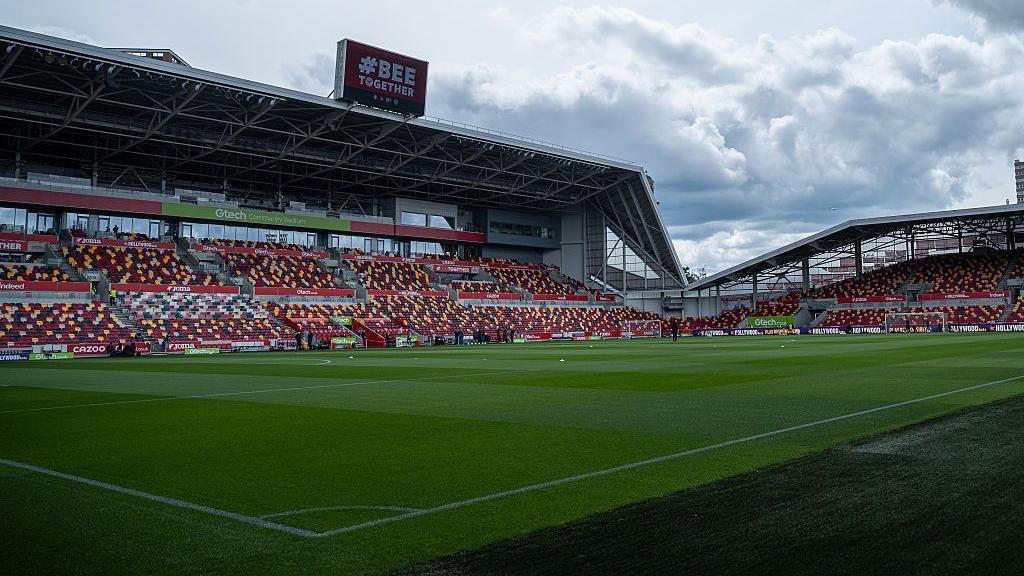
When Shakhtar Donetsk take the pitch for their Champions League fixtures next season, they may do so 1,400 miles from their war-torn home — at Brentford's Gtech Community Stadium in west London. The Bees are in active discussions with the Ukrainian champions to host Shakhtar's Champions League matches for the 2026-27 season, a partnership that would offer the displaced club a stable, regulation-compliant home while deepening football's tradition of cross-border solidarity.
Shakhtar have not played a competitive match in Ukraine since Russia's full-scale invasion began in 2022. Last season, their home European fixtures were scattered across Ljubljana in Slovenia and Krakow in Poland — a nomadic existence that has become the painful new normal for a club that once packed its packed its Donbas Arena. For the 2026-27 campaign, however, Shakhtar earned direct entry into the Champions League league phase, bypassing the qualifying rounds when PSG's Ligue 1 title pushed them up the entry list.
That sporting fortune created a logistical opportunity — and a window for meaningful support. Brentford's Gtech Community Stadium meets all UEFA requirements for hosting Europe's premier club competition. Sources indicate UEFA would raise no objection, provided local authorities grant the necessary permissions. The talks are still ongoing, with a formal decision expected before the season begins.
For Brentford, the arrangement is not entirely unprecedented. The club has a history of renting out its 17,250-capacity ground for non-England international friendly matches and the World Sevens Football, a women's seven-a-side tournament. Club leadership has long framed such arrangements as both a community service and an important revenue stream. "We will not comment on the process until a decision is announced in the near future," a Shakhtar official said, underscoring the delicacy of negotiations still in progress.
Yet the implications extend beyond balance sheets and logistics. Bringing Shakhtar to west London would place one of Eastern Europe's most storied clubs — three-time Premier League title winners with a global fanbase — in front of new audiences, while offering their players the closest thing to home advantage currently available. For fans who have watched their team drift from city to city for three years, the prospect of a fixed, dignified home, even temporarily, carries weight beyond sport.