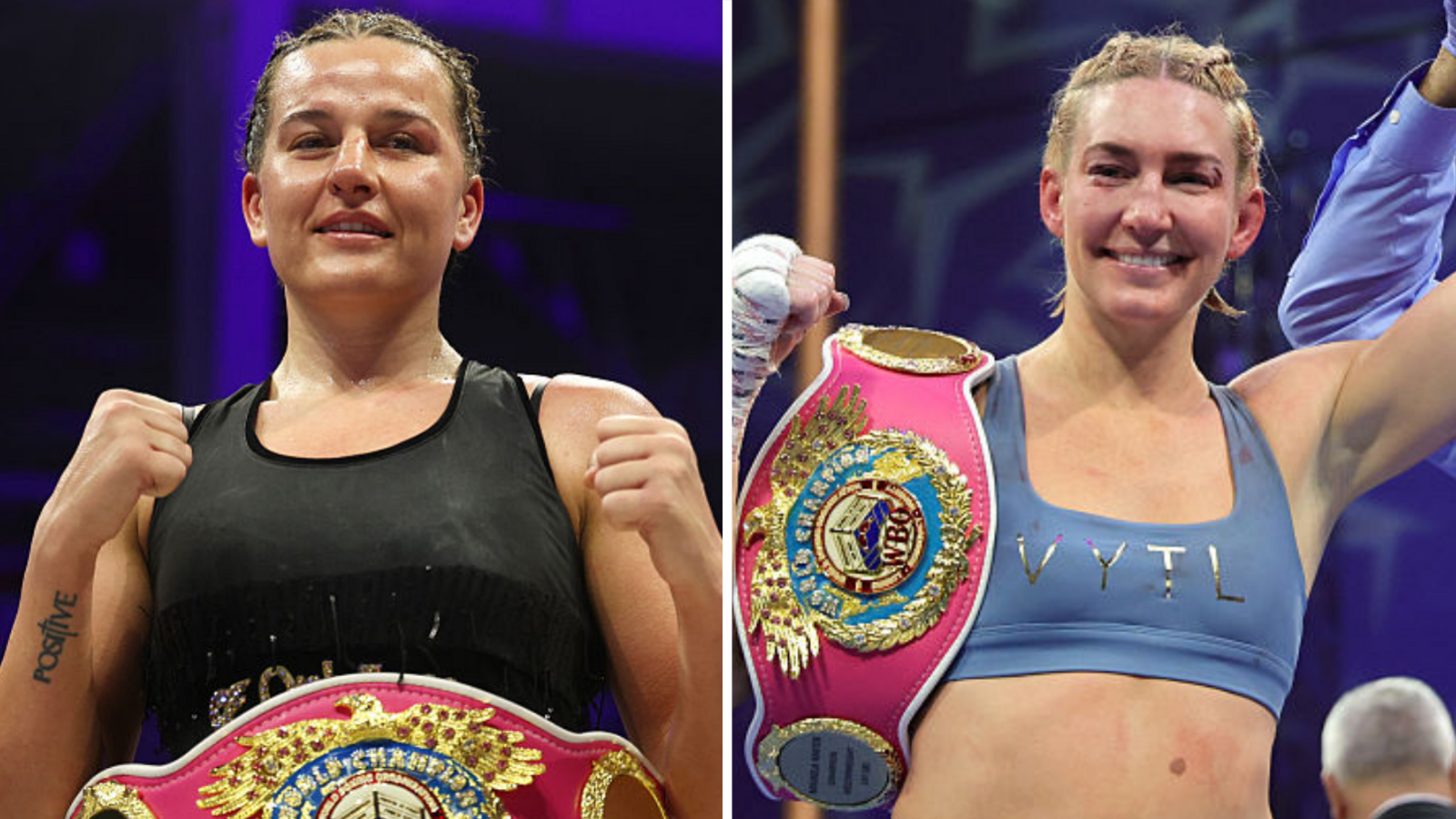
On 29 August in Birmingham, two pound-for-pound elite fighters—both 35, both undefeated as champions—will step into the ring for one of women's boxing's most anticipated unification bouts. Chantelle Cameron, the British fighter from Northampton, will defend her newly won WBO light-middleweight title against American Mikaela Mayer, who holds the WBC and WBA belts.
The convergence of these titles matters because women's boxing has long struggled for the kind of spotlight and investment afforded to men. When top champions meet to unify belts, it signals momentum, legitimacy, and the kind of mainstream attention the sport deserves. Cameron and Mayer represent a generation of female fighters determined to claim that stage.
Cameron's path to this moment has been swift and commanding. After winning the vacant WBO title in April by defeating Michaela Kotaskova, the 35-year-old has 22 wins from 23 professional fights—an elite record by any standard. But perhaps more tellingly, she defeated Ireland's Katie Taylor in 2023, a victory that announced her arrival among boxing's genuine heavyweights. Mayer brings equal credentials: 22 wins in 24 bouts, with her most recent fight in October against Mary Spencer confirming she remains sharp and competitive at the highest level.
"I've always said I want the biggest fights in women's boxing, and there isn't a bigger fight right now than me against Mikaela Mayer," Cameron said ahead of the bout. "We're both top-five pound-for-pound fighters, we're both world champions, and we're both coming to win." The confidence isn't bluster—it's the reasonable assessment of two athletes who have earned their place among boxing's elite.
The Birmingham card itself reflects the momentum in women's boxing. It's an all-female Most Valuable Promotions event at BP Pulse, and Cameron won't be fighting alone. Fellow Briton Caroline Dubois, defending her WBC and WBO lightweight belts, will also compete, facing American Amelia Moore. When promoters build entire fight cards around female athletes, it's a sign that audiences and broadcasters have finally recognized what was obvious to anyone paying attention: women's boxing delivers drama, technical excellence, and genuine competition.
What makes this unification bout particularly compelling is the alignment of ambition and timing. Both fighters are in their mid-thirties, both have reached championship status, and both have expressed a desire to meet the sport's elite. Cameron's victory over Taylor proved she belonged at the absolute top; Mayer's consistency and recent victory confirm she hasn't stepped back. When two fighters at this level, carrying prestigious belts, finally meet, the result matters—not just for the fighters themselves, but for how the victory shapes the narrative of women's light-middleweight boxing for years to come.
The August bout will tell us whether Cameron's recent ascent represents a new era of British dominance in the division, or whether Mayer's experience and championship pedigree will prove decisive. Either way, Birmingham in August will host the kind of women's boxing event that, until recently, would have been almost unthinkable to promote at this scale.