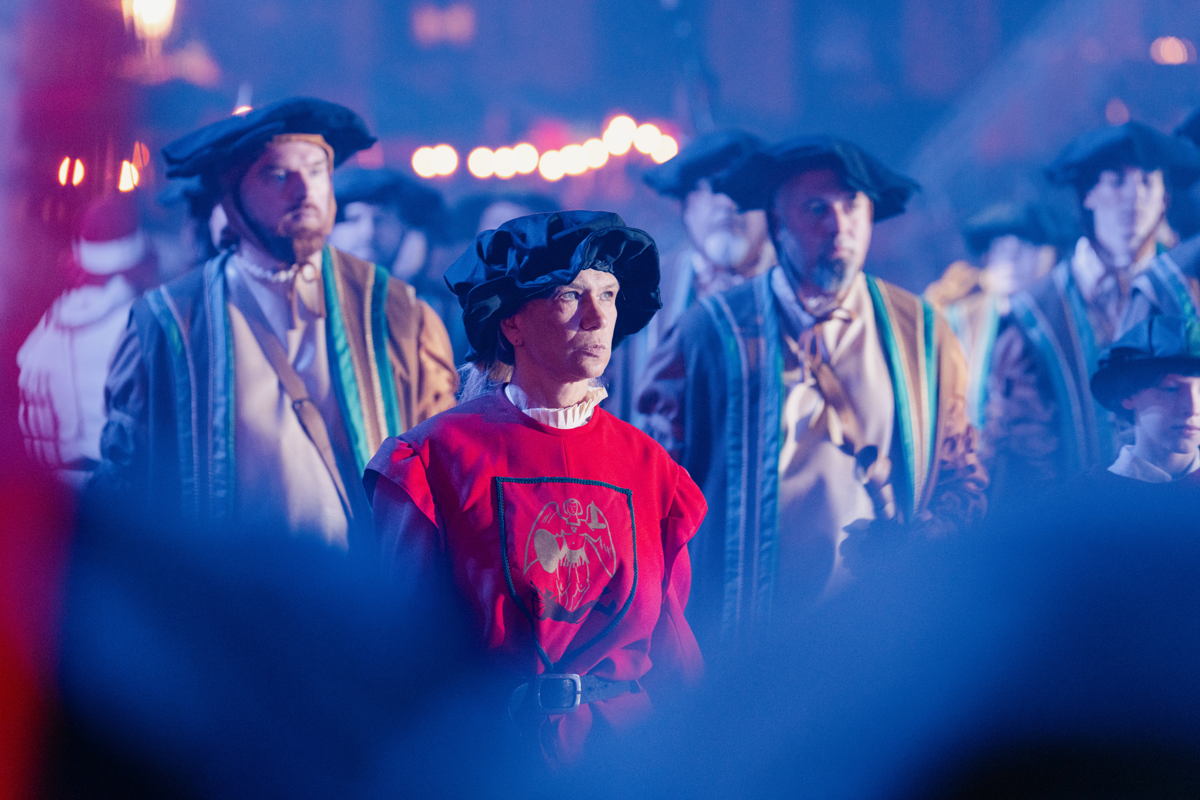
Brussels is trading its modern cafés and EU office buildings for crossbows, Spanish fencing, and the ghost of Emperor Charles V this summer. The Brussels Renaissance Festival kicks off on Sunday and runs for eight weeks, inviting the Belgian capital to step back into the 16th century when Charles V made the city his principal residence and transformed it into one of Europe's most powerful courts.
The festival matters because it does more than dust off history—it reminds Europeans of a shared cultural moment, when Brussels was genuinely the center of continental power and artistic flowering. Today, as Brussels serves as the administrative hub of modern Europe, this celebration reconnects residents and visitors to the city's deeper roots, beneath the glass and bureaucracy.
The opening weekend sets the tone with a Family Day at the Coudenberg Palace, where visitors can step into the remains of Charles V's former residence. Kids and adults alike can try their hands at crossbow shooting, squeeze into historical costumes, watch Spanish fencing demonstrations, and play Breugel-themed games—the kind of immersive experience that makes history tangible rather than textbook. It's not a museum behind velvet ropes; it's a living recreation of how Renaissance Brussels felt.
The Cathedral of St. Michael and St. Gudula is marking its 800th anniversary during the festival under the banner Gudula26, with special guided tours focusing on the cathedral's stained-glass windows and interior. Evening tours add an extra dimension of discovery. Over the festival's span, the Sablon district transforms into a Renaissance Market, where craftspeople and vendors sell high-quality historical products—think textiles, metalwork, and goods as they would have been made in the 16th century.
The centerpiece of the eight-week celebration is the Ommegang, Brussels' legendary historical folklore festival featuring a full parade and theatrical show. Taking place on Wednesday, July 1st and Friday, July 3rd, the Ommegang draws crowds who come to see Brussels' Renaissance pageantry come alive in the streets. The crossbow shooting competition happens in the Sablon Market on both those days, turning competitive sport into participatory spectacle.
What makes the Brussels Renaissance Festival distinctive is its refusal to treat heritage as separate from living community. Thousands of Brussels residents will walk streets where their ancestors actually walked during a similarly transformative period. The festival runs until July 4th, giving eight full weeks for the city to inhabit its own Renaissance skin. For a city often seen only as a modern capital, it's a reminder that Brussels has always been where Europe's story gets written—and sometimes, the oldest stories still resonate the loudest.