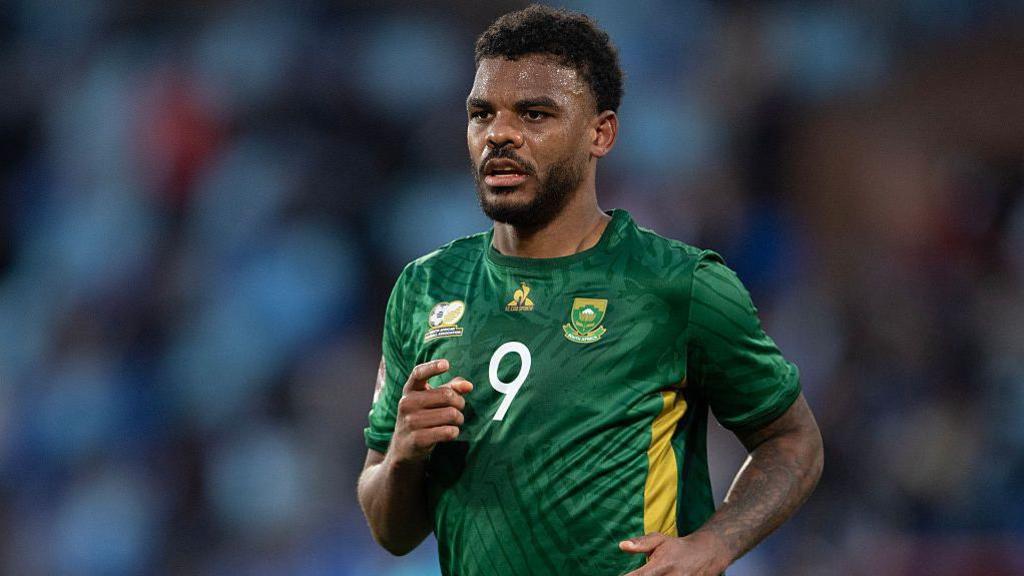
Lyle Foster, a striker plying his trade at English club Burnley, will lead South Africa's charge into the World Cup finals for the first time in 13 years. The 26-man squad named by 74-year-old Belgian coach Hugo Broos represents a deliberate mix of local talent and international experience, with Foster standing as the sole British-based player among a group where 19 players compete in the South African league. It's a homecoming of sorts for South Africa, which last participated in the finals when it hosted the tournament in 2010—a tournament where the nation exited in the group stages, as it has done in all three of its previous World Cup appearances since debuting in 1998.
South Africa's path through the competition will test Broos's squad immediately. They open against co-hosts Mexico on 11 June in Mexico City, followed by a Group A clash with the Czech Republic in Atlanta on 18 June, and then South Korea in Monterrey on 24 June. For Broos, this tournament carries personal weight—he has already announced his retirement after the finals. The Belgian coach quit international football as a player after the 1986 World Cup, also hosted in Mexico, where he guided Belgium to fourth place. Now, at 74, he has another chance to make his mark on football's grandest stage, though on the opposite sideline.
The squad reveals Broos's clear philosophy: build depth in defence and midfield while investing in proven attackers. Defenders like Khuliso Mudau, Aubrey Modiba, and Khulumani Ndamane all come from Mamelodi Sundowns, one of South Africa's strongest domestic sides. Interestingly, uncapped players Olwethu Makhanya and Bradley Cross have been included—Cross notably has a Newcastle United academy background but departed without appearing in a senior match. The midfield leans heavily on Mamelodi Sundowns again, with Teboho Mokoena and Jayden Adams both included, while attackers like Evidence Makgopa and Relebohile Mofokeng round out the forward options alongside Foster.
Broos acknowledged the weight of his selections in a measured statement: "I know those players who had to drop out will be very disappointed. There were some very difficult decisions to be made. I hope I have chosen the right ones." It's a candid admission that reflects the impossible calculus managers face when trimming squads from hopefuls to the final 26. With 19 of his players embedded in South African football, Broos is betting that domestic experience and continuity will outweigh the relative isolation from top European leagues—a strategic gamble that suggests confidence in the quality of local competition.
For South Africa, reaching the finals themselves remains an achievement; the country has never advanced beyond the group stage in its four World Cup appearances. Yet there's something distinctive about this squad's composition: it's rooted, local, and unified in a way many national teams are not. As the tournament approaches, the nation will be watching to see whether Broos's final World Cup campaign can finally deliver a breakthrough on the game's biggest stage.