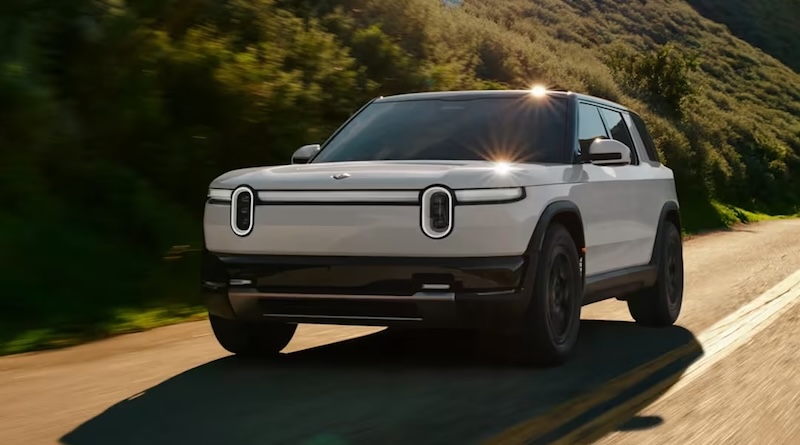
When Governor JB Pritzker announced Rivian's $1.5 billion investment in Illinois's Normal facility in 2024, the headlines focused on manufacturing capacity and new car models—but the real story was the 550+ full-time jobs that would come with it. A year later, as the company broke ground on a 1.2 million-square-foot supplier park across the highway with another $120 million commitment, nearly 100 more direct positions materialized. These are the jobs that rarely make the news, yet they're transforming how Illinois—and the nation—thinks about the electric vehicle revolution.
The human dimension of EV manufacturing matters enormously. While global electric car sales topped 17 million in 2024, accounting for over 20% of all new cars sold, the people assembling these vehicles, installing their components, and building the infrastructure to charge them have largely been absent from the conversation. But Governor Pritzker's recent announcements made clear that Illinois is leveraging EV manufacturing to create quality employment across an entire ecosystem.
What's striking about these emerging EV careers is their accessibility. The National Governors Association has pushed back against a persistent myth: that you need an engineering degree to work in electric vehicles. That simply isn't true. Global demand for EV workers has opened doors through short-term training programs, apprenticeships, and community college pathways—routes that save both time and money compared to traditional four-year degrees. From wiring and mechanical assembly to battery manufacturing and safety protocols, the industry values hands-on skills and experience often more than formal credentials. Competency-based training and industry certifications now offer job seekers efficient entry points into careers that pay well and offer real growth.
The job creation extends far beyond the factory floor. EV owners need public charging infrastructure, and that means employment for charger installers, manufacturers, and the workers who support their supply chains. Every vehicle sold creates ripple effects through an entire economy of trades and technical positions.
There's another dimension that rarely gets attention: the renewable energy connection. When EV owners charge their vehicles using electricity from solar, wind, hydroelectric, or geothermal sources, they're not just driving cleaner cars—they're supporting the global workforce of 16 million people employed in renewable energy. Over time, this relationship will deepen. Clean, renewable electricity increasingly powers both vehicle manufacturing and the cars themselves, creating a virtuous cycle where EV owners redirect spending away from oil, diesel, natural gas, and coal, and toward the renewable energy industry instead.
For workers, these jobs carry a different weight. EV manufacturing and renewable energy careers often feel more meaningful than standard employment. They contribute directly to solving greenhouse gas emissions, toxic air pollution, and geopolitical instability tied to fossil fuels. They support healthier communities. That sense of purpose, combined with decent wages and accessible training pathways, signals a fundamental shift in what manufacturing work can be in the 21st century.
Illinois's investment in Rivian is instructive not because it's about luxury vehicles or cutting-edge technology, but because it reveals what happens when policy makers focus on the people, not just the products. The 550+ jobs created at the manufacturing plant and the 100+ at the supplier park represent real paychecks, real career pathways, and real economic stability for families across the state. As EV adoption accelerates globally, that model of thoughtful, job-centered development will determine whether the green transition lifts everyone—or leaves communities behind.