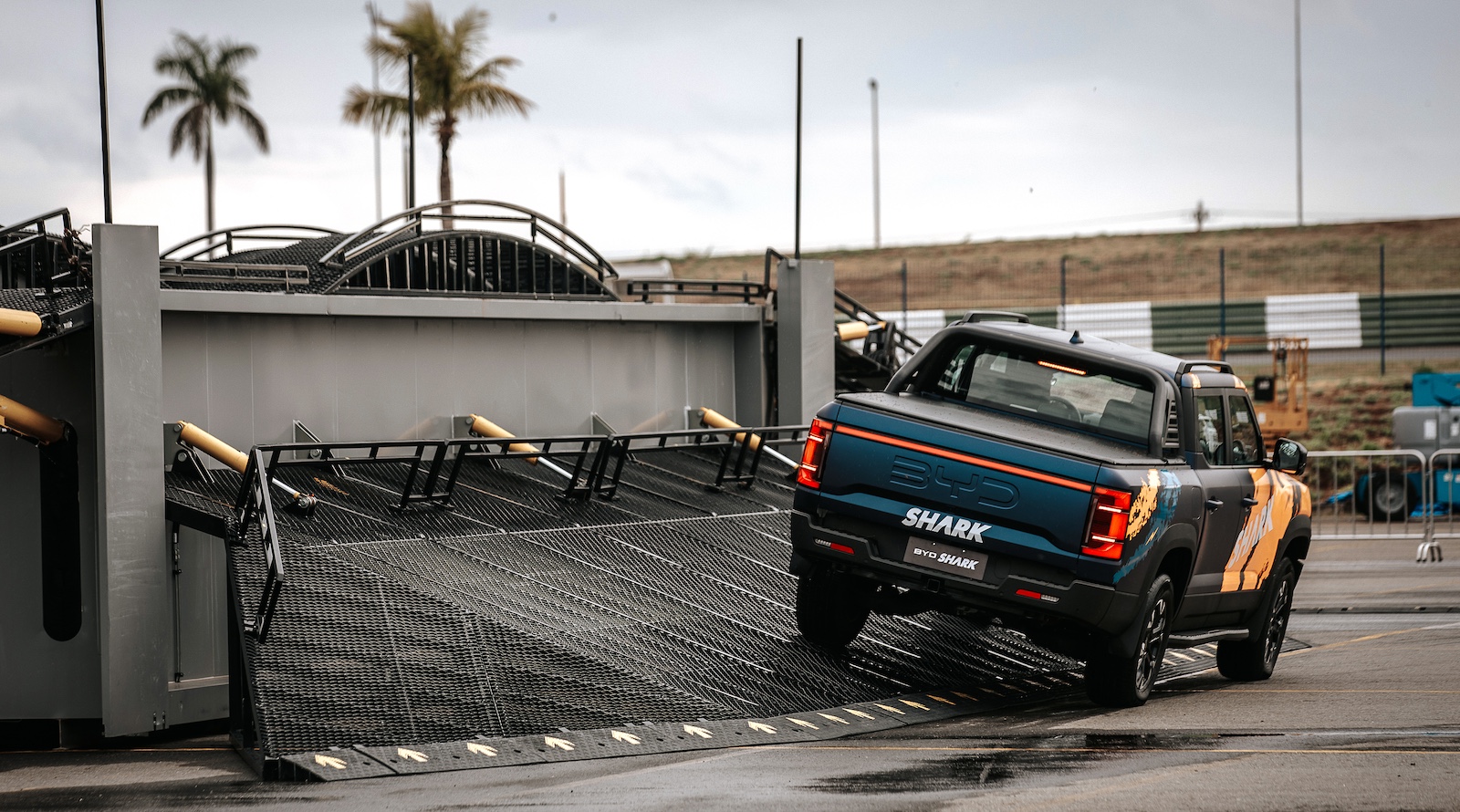
Alexandre Baldy stood in front of a sprawling new facility in Camaçari, Bahia, where the hum of machinery signaled a shift not just in manufacturing, but in Brazil’s automotive future. BYD, the Chinese electric vehicle giant, is no longer just selling cars in Brazil — it’s becoming a Brazilian manufacturer, one battery at a time. As plugin vehicles now make up 13.5% of the country’s auto market, BYD has already cracked the top five auto brands and is setting its sights on the number one spot by 2030. But its boldest move yet is the full-scale ramp-up of battery production at its Camaçari plant, part of a sweeping $1.08 billion (5.5 billion reais) investment that aims to transform the site — once a Ford factory — into a hub of localized clean tech innovation.
This expansion isn’t just about cars. It’s about energy resilience, economic integration, and long-term trust. By 2027, BYD plans for 50% of the components in its Brazilian-made vehicles to be domestically sourced, a target that hinges heavily on local battery production. "We are localizing," Baldy said, "so that we can truly become a Brazilian manufacturer. The battery is one more item, an important component." That philosophy extends beyond vehicles: BYD is investing up to 500 million reais ($98 million) in a new Battery Energy Storage System (BESS) production line, aimed at stabilizing Brazil’s national grid ahead of the country’s first industrial-scale battery auction in December.
The numbers underscore the scale of commitment. In addition to the $1.08 billion plant investment, BYD is funneling another 50–60 million reais into expanding bus battery production — a critical move in a country where public transit electrification lags but demand is rising. The company already owns seven roll-on, roll-off ships to transport its vehicles globally, a sign of its growing logistical autonomy. But in Brazil, the strategy is different: don’t just ship in, root in.
The impact is already visible. BYD’s local presence has helped accelerate EV adoption in a country rich in renewable energy but still dependent on fossil-fueled transport. By manufacturing batteries locally, the company reduces supply chain risks, cuts emissions from shipping, and creates skilled jobs in Camaçari — a region eager for industrial revival. More importantly, it signals a new era in global clean tech: one where sustainability isn’t just exported, but co-built.
As Brazil prepares to auction off grid-scale battery contracts and BYD inches toward its 2027 localization goal, the message is clear — the future of mobility isn’t arriving from abroad. It’s being assembled, battery by battery, in the heart of Bahia.