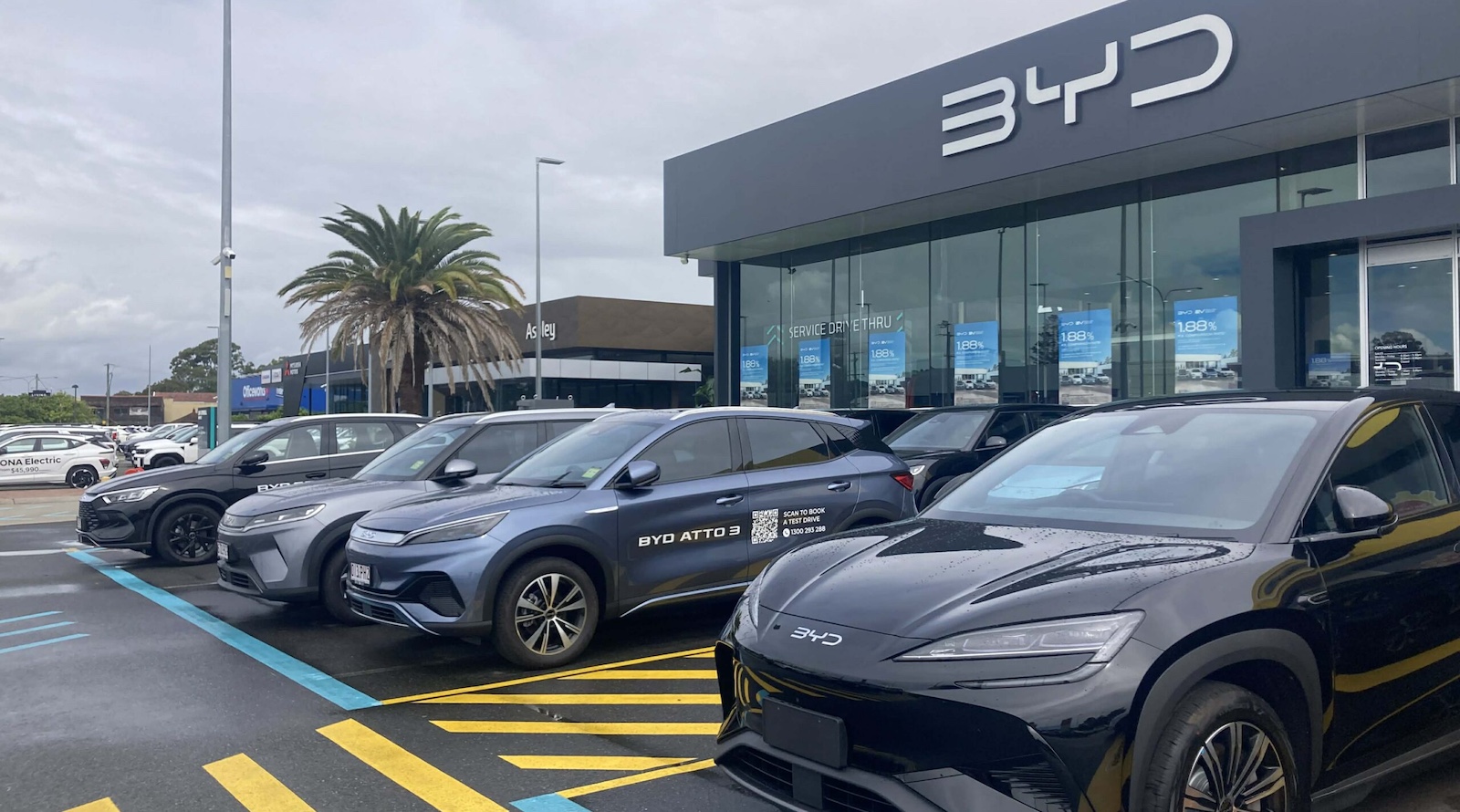
After months of sliding sales, BYD just sold 376,990 passenger vehicles in May 2026—essentially matching the same month a year earlier—and the Chinese EV giant may finally have found its footing. The milestone matters because for the first time in 2026, the world's largest automaker by EV volume has stopped the bleeding, moving from double-digit declines to a flat year-over-year comparison that signals a potential turning point in a carefully orchestrated product transition.
The company has been deliberately managing supply to prioritize its newest generation of vehicles packed with advanced battery and charging technology over older models that customers have largely rejected. Subsidy cuts in China certainly contributed to the slowdown, but insiders say buyers weren't avoiding BYD—they were waiting for better cars. The Song Ultra, one of the first mainstream models featuring BYD's improved tech, sold 61,240 units in its opening month, yet dealers still couldn't keep it in stock. Showrooms were gutted of inventory, with sales staff pointing customers toward waiting lists for models not yet available and flash-charging infrastructure still being installed.
The real story emerges in the month-on-month numbers, which jumped dramatically. BYD's total passenger vehicle sales surged 20% from April to May, with battery-electric vehicles (BEVs) climbing 26.6% and plug-in hybrids up 13.5%. These aren't marginal gains—they're the velocity you'd expect from a production ramp finally matching genuine demand. The company itself has projected 13% overall sales growth for the full year, and executives see the upcoming Yuan Plus and Seal 08 as catalysts that could accelerate that trajectory significantly.
The granular data reveals nuance. Year-over-year comparisons remain mixed: BEVs fell 2.8% while plug-in hybrids rose 3.3%, leaving total passenger vehicle growth technically at zero when rounding. For a company that has dominated global EV headlines, zero might sound disappointing. But context transforms the narrative. Zero stops a downward spiral. Zero buys time for new models to reach scale. Zero precedes the growth curve that monthly trends suggest is already beginning.
What makes this moment credible is the supply-side story—not artificial optimism. BYD isn't claiming it has conquered demand; it's acknowledging it can barely keep shelves stocked with the new generation. Dealers awaited installation of flash-charging piles while foundations were already poured. Production ramp-up takes time, and the company knows it. Yet the pace of that ramp, measured by explosive month-on-month gains, hints that the transition is accelerating.
The bet now is simple: June 2026 will show whether May was a true inflection or a statistical blip. If the monthly momentum holds and year-over-year growth returns—ideally surging—then BYD's largest product transition since the original Blade Battery era will have successfully navigated its most precarious phase. The company faces no demand problem. It faces only the industrial challenge of converting production schedules into delivered vehicles. If supply continues closing that gap, expect headlines to shift from "sales bleed" back to "dominant market share" by autumn. The numbers from May suggest that shift has already begun.