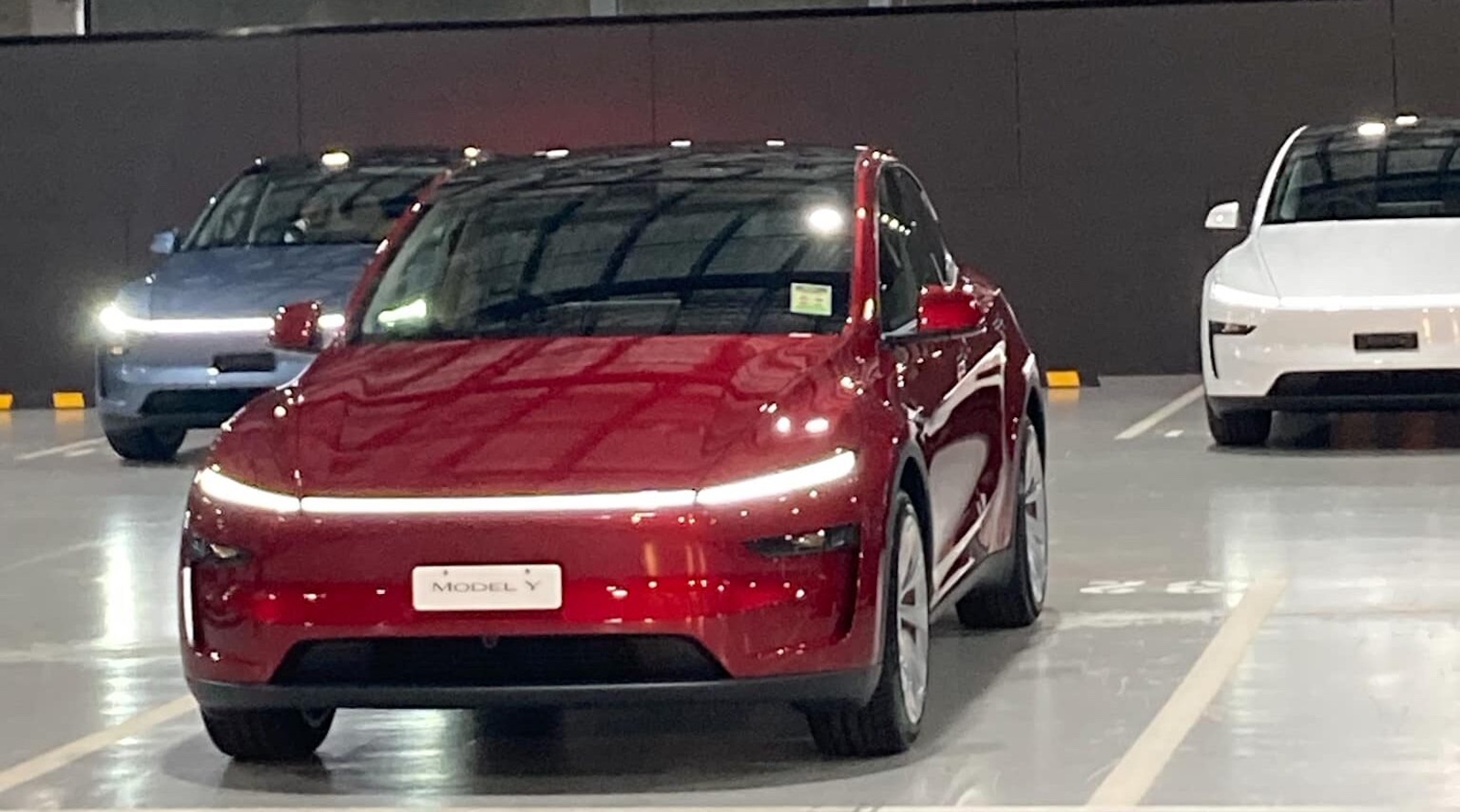
In May 2026, the Tesla Model Y didn't just reclaim the top spot in Australian electric vehicle sales—it became the best-selling vehicle of all powertrains in the country, a milestone no EV had reached before. The milestone marks a turning point in how Australians are choosing to drive, even as the nation watches container ships deliver thousands of Chinese-made alternatives to its shores.
Australia's EV market has undergone a remarkable transformation. Of the 107,000 passenger vehicles sold in May, 21,303 were battery electric vehicles—a staggering 111% jump year-on-year. Plug-in hybrids surged even faster, up 202%, with 9,315 sales. Combined, vehicles with a plug now account for approximately 30% of all new car sales in the country. This acceleration reflects a broader shift in consumer preferences that's upending Australia's automotive establishment in ways both expected and surprising.
The narrative around this shift isn't merely about Tesla holding its ground. BYD, the Chinese manufacturer, has emerged as a serious contender, now Australia's second best-selling brand by volume. The company dispatched a RORO cargo ship carrying 5,000 new energy vehicles to Melbourne—all of which had already been pre-sold before arrival. The sheer scale of the operation has captured media attention, though sometimes with more sensationalism than substance. Meanwhile, traditional powerhouses are stumbling. Toyota, long Australia's automotive anchor, saw sales plummet 30% year-on-year, with most of its lineup recording double-digit falls.
The collapse of the traditional diesel ute market offers the clearest signal of changing tastes. Discounts abound and stock sits on dealership lots, yet buyers are turning away. In their place, new energy vehicles are filling the gap—including the KGM Musso EV, a pure battery electric ute that shifted 63 units in May alone. Toyota continues to promise a low-range, high-price BEV HiLux, but it hasn't materialized. The wait reflects how quickly the market is moving past the company's expectations.
China's EV manufacturers now dominate Australia's top-15 best-selling vehicles. The list reads like a geography lesson in Chinese automotive ambition: the Omoda Jaecoo J5 sits at number two with 2,126 sales, the Geely EX5 at number three with 1,814. BYD claims four spots in the top 15, including the Sealion 7, Atto variants, and the Seal. European brands barely register—Volkswagen's ID.4, the highest-selling EU model, mustered only 237 sales. Japanese brands absent from the top 15 entirely, save Toyota's bZ4X at number 16 with a modest 203 units.
What's emerging from these figures is a market in flux, where price, range, and value are winning over heritage and brand loyalty. The Chery Jaecoo J5, a value-packed offering, has rocketed to number two on the monthly chart. Geely is preparing to launch its EX2, a rear-wheel city car with 410 km range, expected in September—and Facebook pre-order groups are already buzzing about pricing, with prospective buyers expecting it to undercut competing models significantly.
Diesel is disappearing, European brands are struggling, and Japanese stalwarts are in retreat. In their place, a new automotive order is taking shape, one where Chinese manufacturers set the pace and Australian consumers vote with their wallets.