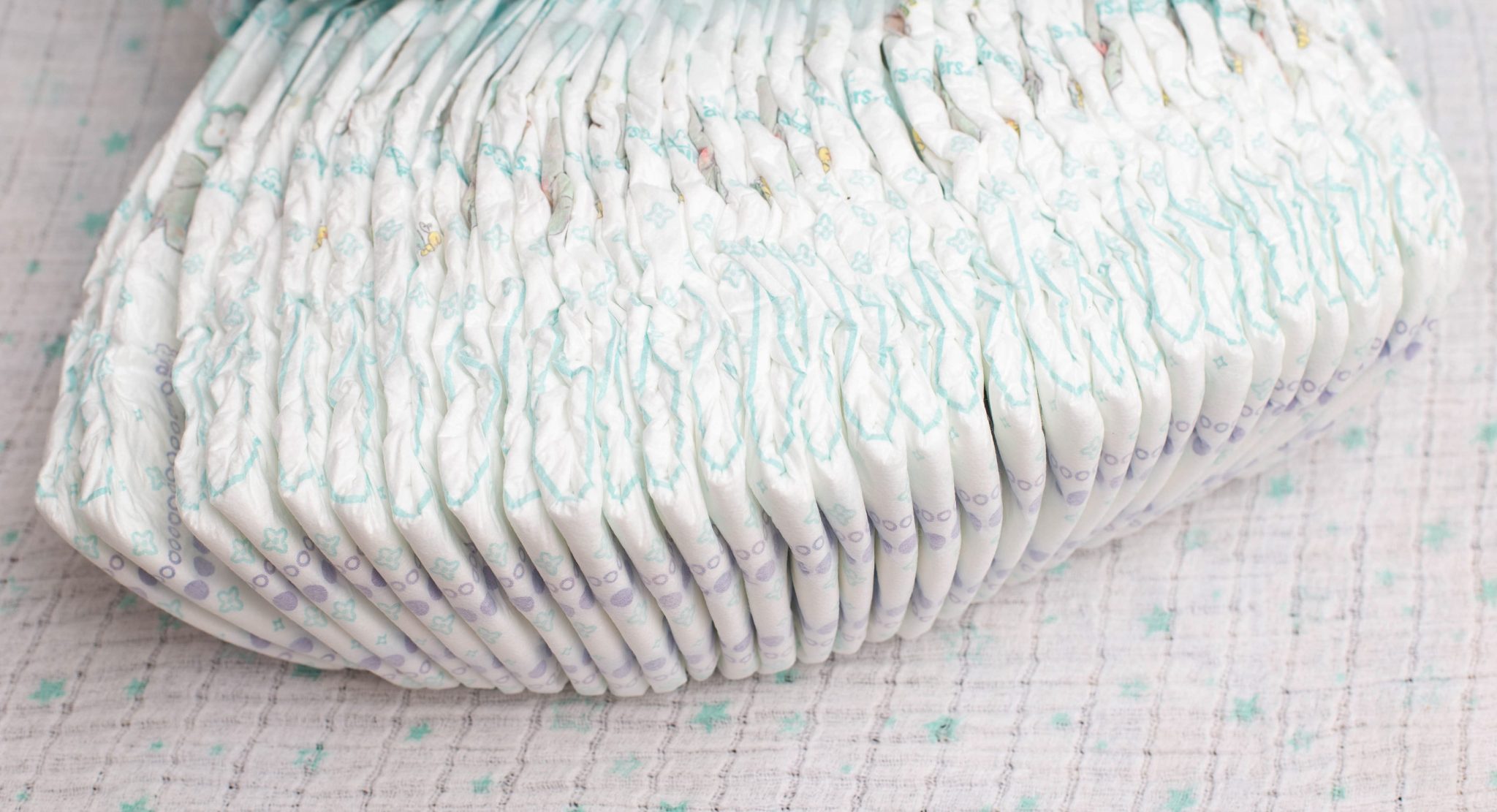
Babies wear eight to ten diapers a day—a relentless need that can drain a family's budget before they've even left the hospital. At roughly $100 a month, the diaper bill arrives at one of life's most vulnerable moments, when parents are sleep-deprived and financially strained. Some families, desperate to stretch supplies, reuse disposables or leave them on too long, leading to painful rashes and infections that turn a newborn's earliest days into unnecessary suffering. California has decided to stop waiting for families to struggle and instead meet them at the hospital door.
Under a new program called Golden State Start, launched by Governor Gavin Newsom, every family delivering at a participating hospital goes home with 400 free diapers in newborn and infant sizes—enough to cover five weeks of needs for babies weighing up to 14 pounds. No income verification. No enrollment forms. No paperwork whatsoever. The diapers are simply there, part of discharge, a quiet assurance that parents can focus on love and connection instead of immediate financial panic.
The program runs through a partnership with Baby2Baby, a nonprofit that built its own manufacturing line to produce diapers at 80 percent below retail cost. This efficiency allows California to deliver genuine relief without reinventing the wheel. "California is once again setting the standard of what it means to show up for mothers and babies," said Baby2Baby co-CEO Norah Weinstein, capturing both the ambition and the practicality of the initiative.
In its first year, Golden State Start will operate at 65 to 75 hospitals, covering about a quarter of all California births. Priority has been given to facilities that serve primarily low-income patients—the families for whom a $100 monthly bill poses the sharpest barrier. The state invested $7.4 million in last year's budget to launch the program, with an additional $12.5 million proposed this year to sustain it through June 2027.
What makes this approach distinctive is its universality at the point of care. Other states have attempted to address diaper insecurity, but not quite like this. Tennessee allows Medicaid-enrolled families to pick up 100 diapers monthly at pharmacies for children under two. Delaware runs a pilot program providing up to 80 diapers and wipes per week during a baby's first twelve weeks. Neither program delivers diapers to all families regardless of income at the moment of discharge. California Medicaid itself covers diapers only for enrollees aged five and older with documented medical need—leaving newborns conspicuously uncovered. Golden State Start exists entirely outside that system, treating diaper access as a public health priority from day one.
State Health Secretary Kim Johnson framed the program with particular clarity: "The first days at home with a newborn should be focused on the love, connection, and joy of an expanded family, not stress about affording diapers." Governor Newsom positioned it alongside California's earlier investments in free school meals and universal preschool, signaling that this is part of a broader commitment to giving every child a genuine starting point. "Every baby born in California deserves a healthy start in life," he said, "and that means making sure parents have the basics they need from day one."
The program will expand beyond its initial hospitals over time, though the state has not yet announced a specific timeline. For now, 65 to 75 facilities will send hundreds of thousands of newborns home with one less worry, and one more night of sleep.