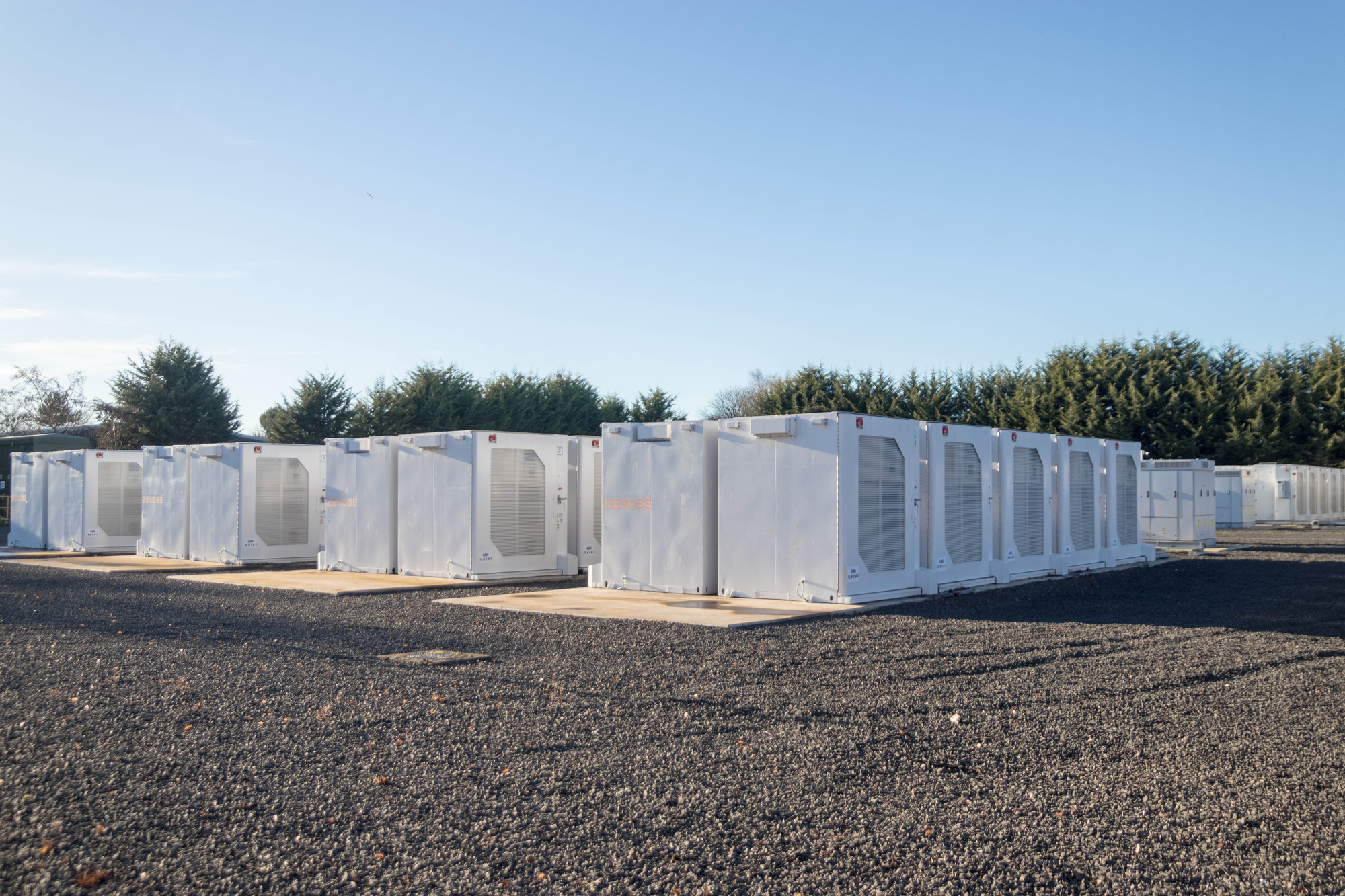
On a sunbaked stretch of land in Kern County, the Tumbleweed battery began discharging power at 6 p.m. on June 1, and didn’t stop until 2 a.m. — a quiet but seismic shift in how California powers its nights. For the first time in U.S. history, a grid-scale battery is delivering eight hours of continuous clean energy, effectively doubling the duration of any previous storage system. This isn’t a prototype or a pilot — it’s 125 megawatts of real, operational capacity, built by Rev Renewables and now feeding electricity into the state’s grid when solar panels fall silent.
The timing couldn’t be more critical. California generates abundant solar power between 8 a.m. and 6 p.m., but demand surges later, peaking in the evening. Until now, four-hour batteries have bridged part of that gap, but the post-10 p.m. hours still relied heavily on fossil fuels. Tumbleweed changes that equation. By storing excess midday solar and releasing it steadily through the night, it helps close the loop on 24/7 clean energy — a goal long considered out of reach without costly or unproven technologies.
What makes Tumbleweed remarkable isn’t exotic chemistry or experimental engineering. It runs on lithium-ion phosphate cells from BYD, the same reliable technology used in electric buses and rooftop storage. The upgrade from four to eight hours was achieved simply by doubling the number of battery units on site. "Technology-wise, the differences are pretty trivial," said Cody Hill, Rev Renewables’ head of storage development. That simplicity is its strength. It proves that longer-duration storage doesn’t require reinventing the battery — just scaling what already works.
California regulators anticipated this moment in 2021, when they directed utilities to procure eight-hour storage. Tumbleweed is one of the first results. California Community Power, which holds part of the contract, sees it as a cornerstone of the state’s clean energy mix. "It’s designed to capture solar and discharge it later when they need it," said general manager Alex Morris. Ava Community Energy, another partner, controls 50 megawatts of the system, ensuring local communities benefit directly from the shift to clean power.
The implications ripple far beyond Kern County. If eight-hour batteries become standard, California could run on clean electricity for nearly an entire day, reserving only the early morning hours for existing wind, geothermal, and hydropower. Gas plants, once essential for evening peaks, could fade into backup roles. Tumbleweed doesn’t solve everything — the pre-dawn gap remains — but it proves that the tools to get closer are already here, working quietly under the desert sun.
As grid operators analyze how to maximize its output in wholesale markets, one thing is clear: longer, cleaner energy nights are no longer theoretical. They’ve begun.