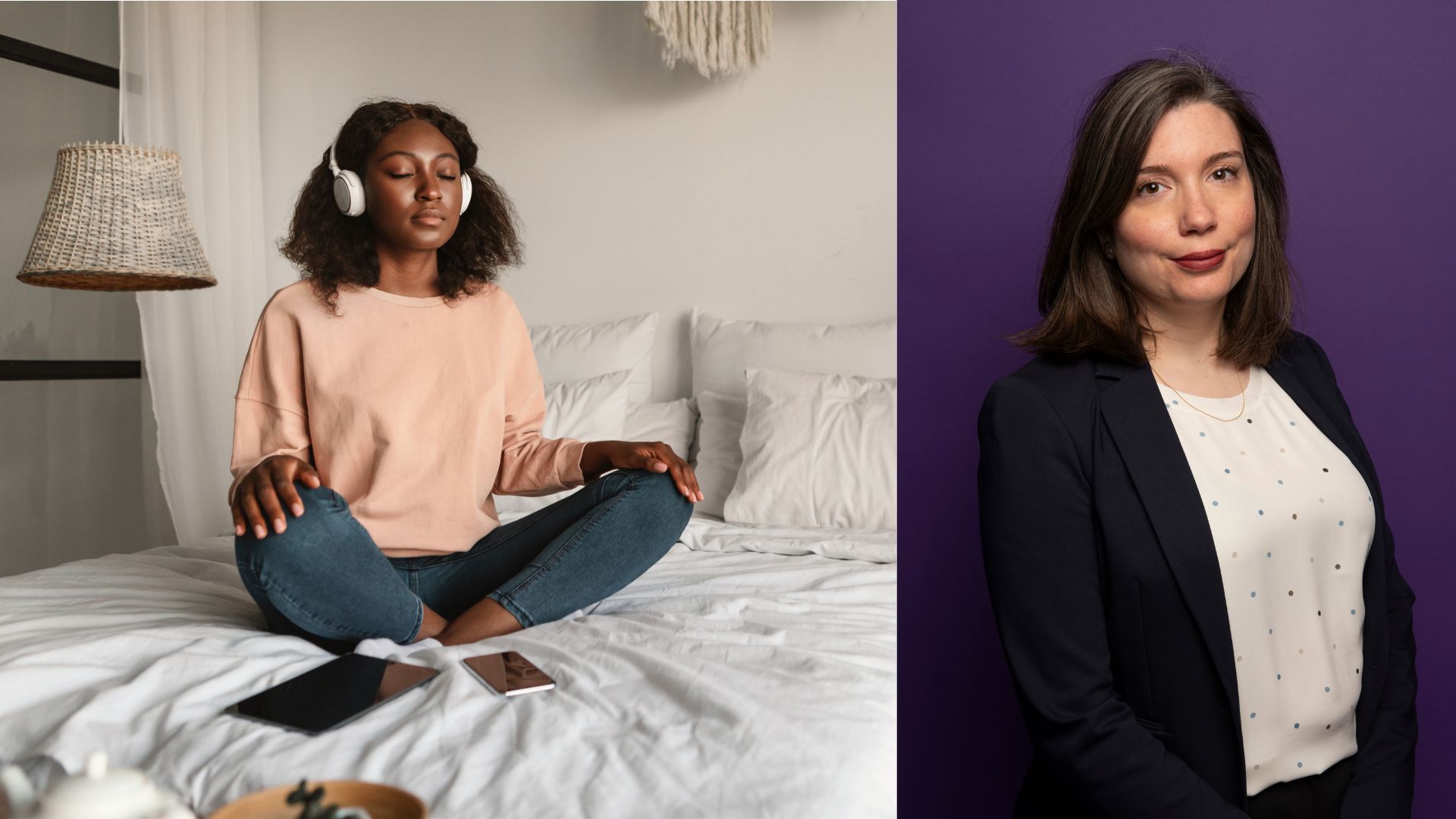
Seventeen-year-old Maya started using a mindfulness app just three days after bumping her head on a basketball court, joining 98 other teens in an Ottawa-based study that’s quietly reshaping how we think about concussion recovery. At the CHEO Research Institute, Dr. Andrée-Anne Ledoux and her team saw something promising: not just that teens would download a mental wellness app, but that nearly 90% stuck with it during the fragile first weeks after a brain injury. For a generation already glued to their phones, the idea was simple—what if that same device could help heal the mind, not just entertain it? Concussions, especially in youth, often bring a cascade of invisible struggles: anxiety, brain fog, irritability, sleepless nights. Traditional support can be hard to access, with long waitlists and stigma. Mindfulness-based interventions have shown promise in easing these symptoms, but getting teens to attend in-person sessions? That’s another story. So Ledoux’s team turned to the one tool every teen already has—smartphones—and tested whether a digital mindfulness program could meet them where they are. Between 2024 and 2026, 99 adolescents aged 12 to 17 were enrolled within seven days of a diagnosed concussion. They were guided through daily mindfulness exercises via an app designed specifically for the study, featuring short breathing practices, body scans, and gentle reminders to stay present. The goal wasn’t to cure concussion, but to see if teens would engage—and they did. Retention was high, with 89% completing the full four-week program, and feedback revealed that most found the app helpful, easy to use, and relevant to their recovery. Some reported better sleep; others noticed they were less reactive when frustrated. While the study wasn’t designed to measure clinical outcomes, its real triumph was proving feasibility. As digital health tools gain traction across medicine, this Ottawa trial offers a blueprint for scalable, stigma-free mental support in neurorecovery. With Health Canada backing the feasibility phase, the door is now open for larger trials to see if mindfulness, delivered through a phone screen, can actually speed healing. For teens like Maya, it’s not just about feeling better—it’s about having control, one mindful breath at a time.
← News
Mental Health Wins Mental Health Wins Health
Can a smartphone app bring mindfulness training into concussion care for teens? - CHEO Research Institute
99 Teens Aged 12–17 Participants
90% Completion rate
99 teens enrolled