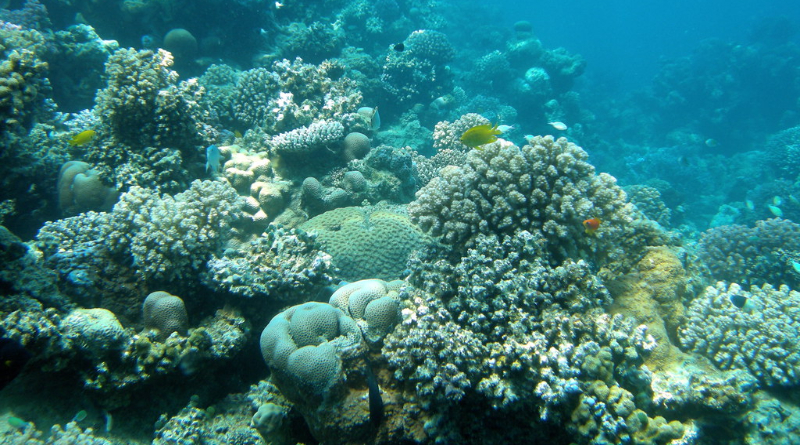
On a sun-dappled reef off the coast of Fiji, volunteer divers carefully attach fragments of heat-tolerant coral to a once-bleached seabed—one small act in a global effort to pull coral ecosystems back from the brink. These living structures, which cover less than 1% of the ocean floor, support nearly a quarter of all marine life and protect vulnerable coastlines across the tropics. Yet warming seas have pushed many reefs to the edge of collapse, with scientists warning of near-total degradation by 2050 if nothing changes. Now, a groundbreaking study offers a roadmap for hope: researchers have identified 166,000 square kilometers of coral reefs across 71 countries with the potential to withstand or recover from climate change. These climate-resilient reefs—found in places like Australia’s Great Barrier Reef, Palau, the Bahamas, Cuba, Indonesia, and the Philippines—are not immune to warming, but they benefit from natural buffers such as cooler microclimates or hardier coral species like branching and plating stony corals.
The findings, led by the Wildlife Conservation Society and Macquarie University with support from the Bloomberg Ocean Initiative, are based on over 45,000 field observations spanning more than six decades. Using a projected global temperature rise of 2.1°C above pre-industrial levels, the team mapped where reefs are most likely to persist through mid-century. Alarmingly, fewer than one-third of these resilient reefs currently lie within protected marine areas, leaving them vulnerable to overfishing, pollution, and coastal development. But the data also reveals a rare opening: a globally distributed network of reef refugia that, if safeguarded and restored, could seed recovery for wider ecosystems.
In Fiji, that future is already taking shape. Through the "Samsung x Seatrees: Bring Coral in Focus" initiative, local communities and scientists are using Galaxy devices with Ocean Mode to capture high-resolution underwater images—over 25,000 photos to model a single reef in 3D. This digital twin allows researchers and the public alike to study coral health in unprecedented detail. To date, volunteers have replanted 100,000 corals in Fijian waters, using heat-adapted strains to boost survival. "We can show them what’s actually happening," says Quentin van den Bossche, producer of the documentary Coral in Focus. "If we can see it, we can save it."
The science is clear: coral reefs are not a lost cause. With strategic conservation investment and community-led restoration, these resilient pockets can become anchors of marine resilience. As ocean temperatures continue to rise, the world now has a data-driven blueprint to protect the reefs that can survive—and help others follow.