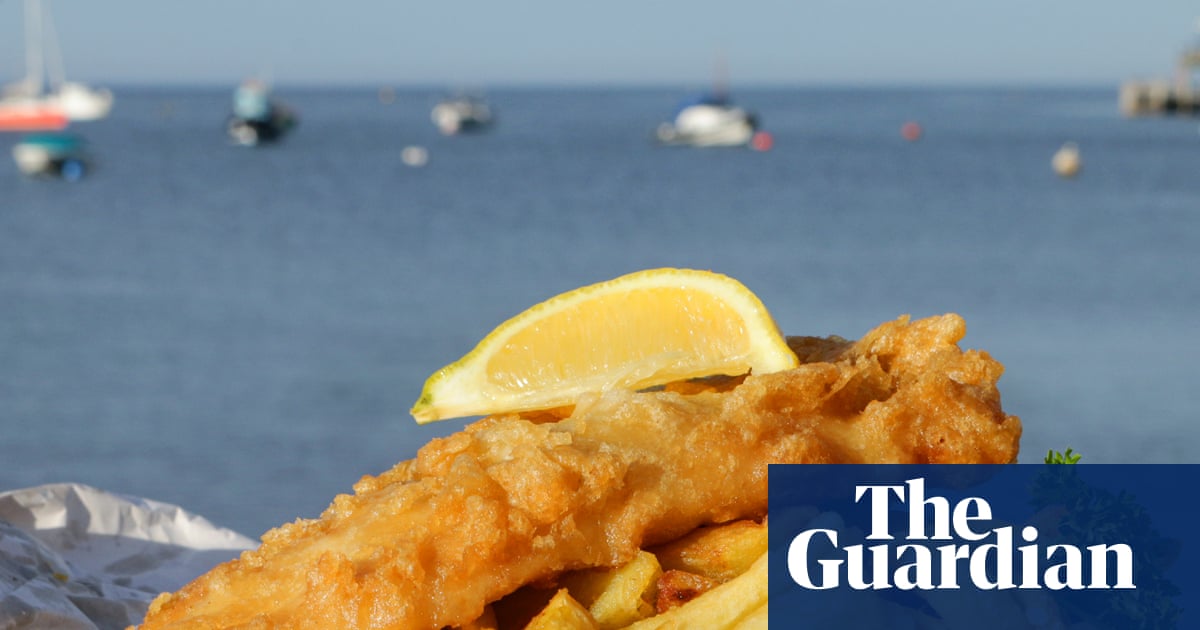
At Harbour Lights in Falmouth, Cornwall, the scent of frying fish still fills the air, but the star of the menu is no longer what it used to be. In April, owner Pete Fraser pulled cod from his menu for a second 'cod-free week'—a bold move in a nation where fish and chips are woven into the cultural fabric. Fifteen years after his first experiment, the response was strikingly different: instead of outrage, customers asked, 'Can you repeat this?' The shift reflects a quiet revolution taking place in fish and chip shops across the UK, driven by soaring prices, sustainability concerns, and a growing appetite for change.
The average fish supper now costs £11.17, up from £6.48 in 2019, according to the Office for National Statistics. A perfect storm of Brexit trade barriers, dwindling fish stocks, global inflation, and war-related supply chain disruptions has sent the price of cod soaring—wholesale prices have doubled in just two years. At the same time, nearly half of fish and chip shop owners say they’re 'extremely worried' about the future, the National Federation of Fish Friers reports. In response, shops like Fraser’s are turning to alternatives like hake, pollack, coley, and hoki—fish that cook and taste similarly but cost up to £2 less per portion.
At Harbour Lights, Cornish hake and sole have become customer favourites, prized not just for their flavour but for supporting local fishing communities. In Nottingham, Cod’s Scallops now serves monkfish and sea bass; Donington Fish and Chips in Lincolnshire launched this year with hake and plaice on the menu. Even the Mayfair Chippy in London, one of the priciest in the country, dropped cod due to sustainability concerns. 'Some guests were surprised,' admits co-owner Pete Taylor, 'but the response has been mostly positive.'
Will Watson of Will’s Plaice in Cromer introduced New Zealand hoki three months ago, pricing it at £12 with chips—£2.10 less than cod. 'It’s a cross between cod and haddock,' he says, 'and those who try it often reorder.' He jokes that they’ve started doing the hokey cokey with curious customers, but the real punchline is in the sales. Barry Young of Brixham Trawler Agents sees a broader shift: 'There is scope for a wider range of species to play a bigger role in the future.'
Fraser, a longtime advocate for diverse seafood, doesn’t oppose MSC-certified cod. His mission is simpler: to help Brits break the habit of a lifetime. 'For 20 years I’ve been on a personal mission to get the British to be braver,' he says. With prices high and palates evolving, that bravery may be the key to keeping fish and chips on the menu—for generations to come.