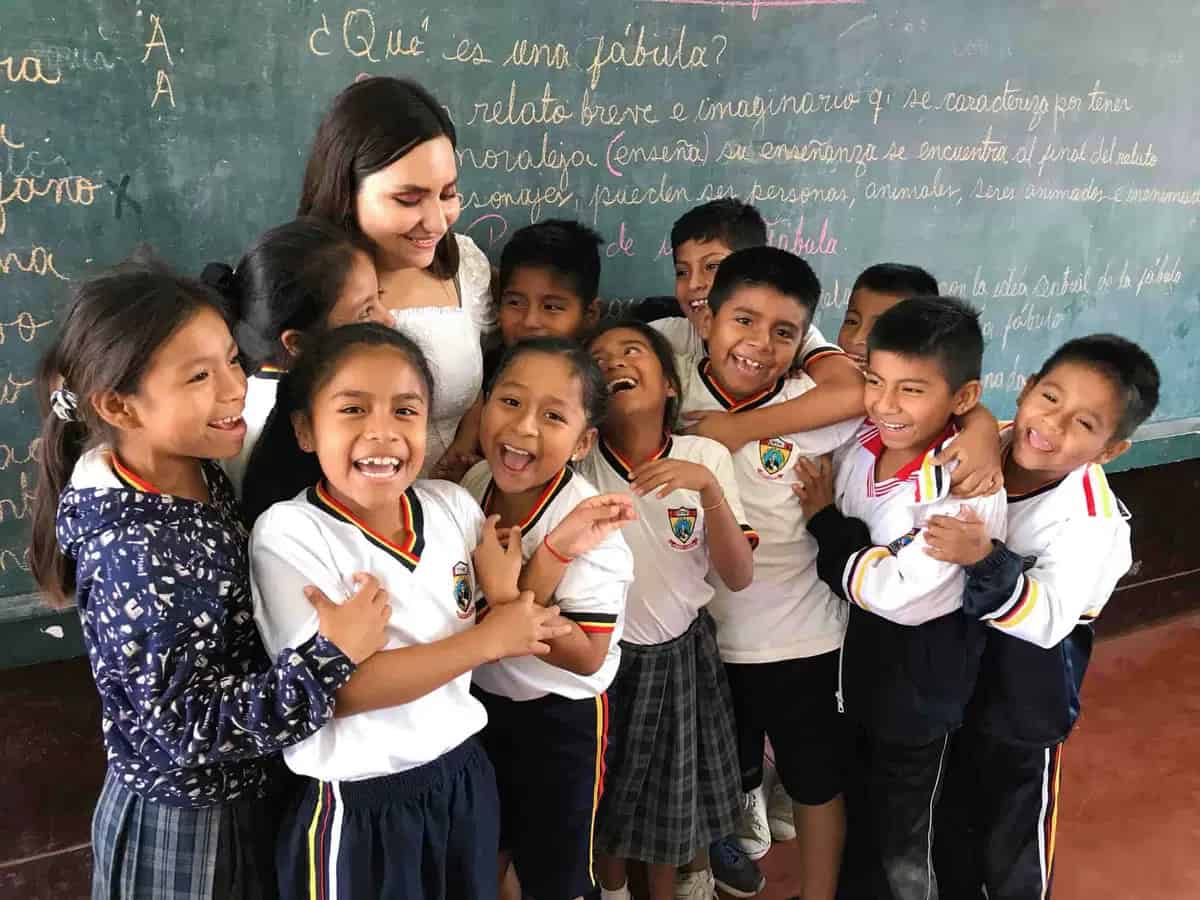
Sarah Sepuldiva stood before a classroom in rural Vietnam, her students giggling as she mimed verbs with exaggerated gestures—no shared language, just patience, eye contact, and a whiteboard covered in doodles. It was June 2025, and the 22-year-old Australian volunteer had arrived through AIESEC’s Global Classroom project, determined to teach English. But what she didn’t expect was how much she’d learn about connection, resilience, and the quiet power of listening. For young adults like Sepuldiva, international volunteering is no longer just about ticking a box on a CV—it’s becoming a formative path toward global citizenship, one shaped not by political rhetoric but by real human exchange.
Founded in 1948 in the wake of World War II, AIESEC began as a bridge between fractured European nations, driven by the belief that peace starts with understanding. Today, that mission has expanded across 126 countries, channeling the energy of 18- to 30-year-olds into hands-on projects aligned with the UN’s Sustainable Development Goals. From marine conservation in Costa Rica to economic development in Kenya, the organisation’s Global Volunteer programme places thousands of young people in communities where they contribute skills—and, just as importantly, open themselves to transformation. In Vietnam, volunteers like Sepuldiva work in under-resourced schools, teaching English through creative, student-centered methods that build confidence as much as language fluency.
The numbers speak to both scale and impact: AIESEC mobilises over 10,000 volunteers annually, each spending four to eight weeks abroad on projects that range from education and first aid to anti-discrimination initiatives. Sepuldiva’s experience reflects a broader shift—many join for practical reasons, seeking independence or career edge, but leave with deeper purpose. "The whole type of purpose in doing this exchange completely changes," says Mary-Treesa Rozario from AIESEC’s Sydney University branch. That shift is echoed in Harry Kwon’s story. At 19, he volunteered in Jakarta through the Beyond Race project, teaching English while gently challenging stereotypes in a diverse classroom. "The premise was I was teaching English, but the hidden agenda was to raise awareness of diversity," he says. Working alongside volunteers from Germany, Turkey, and beyond, Kwon found himself not just teaching, but learning how identity and belonging are shaped across cultures.
Critics have long questioned the ethics of international volunteering, warning of "voluntourism" that prioritises the volunteer’s experience over real impact. But AIESEC’s model—youth-led, goal-driven, and rooted in reciprocity—aims to flip that script. Volunteers are trained, placed in community-identified roles, and encouraged to listen more than they speak. The result is not a quick fix, but a slow build of trust, empathy, and mutual growth.
As climate crises, displacement, and division test global solidarity, programmes like this offer a quiet counter-narrative: that the next generation of global citizens isn’t forged in policy rooms, but in classrooms where laughter bridges language gaps, and a shared doodle on a whiteboard becomes a moment of connection.