Your body is quietly managing millions of fluid transactions every day through an intricate network of vessels most people never think about—until social media tells them to start "draining" it. The lymphatic system, a crucial but often invisible part of your immune defense, has recently become a beauty buzzword, with influencers promoting "lymphatic drainage" as a wellness cure-all. But the science tells a more measured story about what this system actually does and when it genuinely needs help.
Think of your lymphatic system as your body's underground plumbing network. Unlike blood, which loops through your body in a circular route, lymph moves in one direction only—a colorless fluid carrying specialized white blood cells called lymphocytes that hunt down infections, viruses, parasites, and cancer cells. The system performs three essential jobs: draining excess fluid to prevent swelling, supporting immunity by helping your body detect and respond to threats, and absorbing fats from food to transport them back into circulation. When this network functions properly, you don't notice it. When it doesn't, swelling called lymphedema develops, most commonly in the arms or legs.
Lymphedema comes in two varieties. Primary lymphedema occurs when the lymphatic system doesn't develop properly from birth, often due to genetic conditions affecting the number of vessels or their ability to pump fluid. Secondary lymphedema happens when the system is damaged—cancer treatment is a common culprit, as surgery to remove lymph nodes or radiation therapy can unintentionally harm these critical structures. When lymph can't drain normally, fluid backs up like a traffic jam, pushing into shallow capillaries near the skin that aren't designed to handle the volume. The result isn't just swelling; it creates vulnerability to serious infections like cellulitis, a bacterial skin condition that leaves limbs red and painfully swollen.
Medical treatment for lymphedema focuses on what actually works. Compression therapy—using medical stockings or specialized bandaging to apply gentle pressure—moves excess fluid out of affected areas while softening hardened tissue. Exercise helps too; when your muscles contract, they act as a pump, pushing lymph and other fluids through your body naturally. Daily skincare with pH-neutral soap and moisturizer protects skin from cracks that could invite infection.
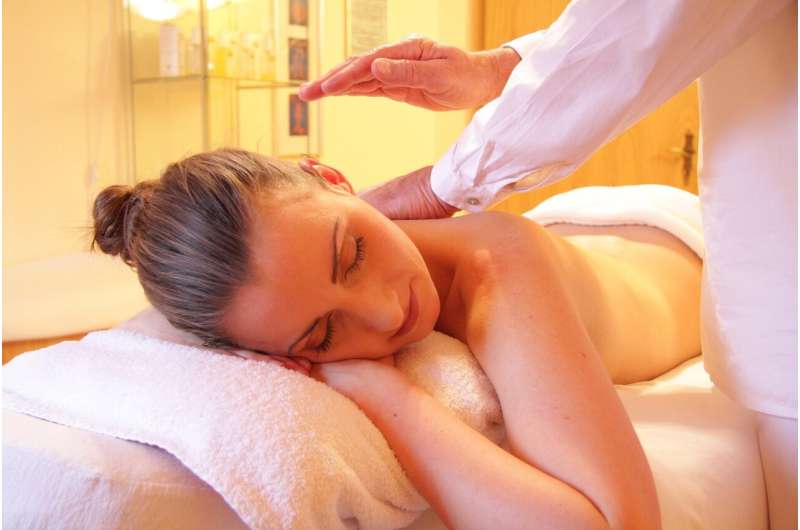
For people with diagnosed lymphedema, manual lymphatic drainage—a specialized massage technique performed by a trained practitioner—can help when the body can't drain fluid properly on its own. But here's where the social media story diverges from reality: there is little evidence that these techniques benefit healthy people without lymphedema. The lymphatic system is designed to function on its own for the vast majority of us, and there's no scientific backing for "drainage" as a beauty treatment for clear skin or reduced bloating in people with normally functioning lymphatic systems.
The real lesson isn't that your body needs more draining—it's that your lymphatic system is already a marvel of engineering, quietly doing its job every single day. When something goes wrong, medical professionals can help. When it's working normally, the best you can do is support it through movement, good nutrition, and clean skin. Sometimes the most hopeful health news isn't about a new treatment—it's recognizing that your body already knows what it's doing.