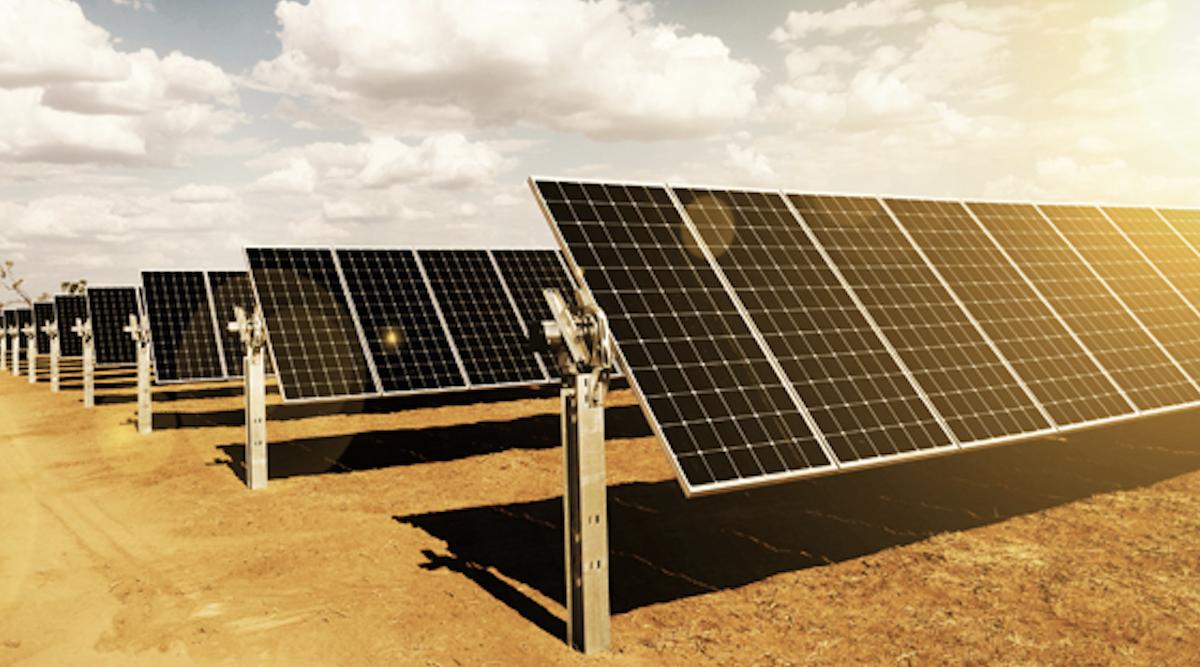
Guelph-based Canadian Solar is shipping a new 670-watt solar module just weeks after finalizing plans to double its Texas factory’s capacity to 10 gigawatts per year — a bold move that underscores the company’s confidence in the U.S. market, even as federal energy policies shift. This isn’t just about power output; it’s about resilience, innovation, and staying ahead of demand in an industry where every watt and square meter counts. The new TOPCon 3.0 module, measuring 2382 × 1134 × 30 millimeters, is designed for utility-scale solar farms and large commercial users, offering one of the highest performance levels on the market today. With solar installations increasingly pressured to deliver more energy on less land, the 670 Wp output allows developers to reduce land use and lower installation and maintenance costs across the board.
What sets this module apart isn’t just its power, but its intelligence. It’s bifacial — capable of capturing sunlight on both sides — opening doors for creative applications like agrivoltaics, where panels double as solar-powered fencing on farmland. This dual-use potential is a game-changer for rural economies seeking sustainable income streams without sacrificing agricultural productivity. Even more crucial is its performance in heat. Unlike older solar technologies that lose efficiency in high temperatures, Canadian Solar’s new module is built for hot climates, maintaining over 88.85% of its output after 30 years — a testament to its durability and long-term value.
Meanwhile, the company is rapidly expanding its U.S. footprint. Its Texas factory is on track to reach 10 GW/year of module production by the end of 2024, while a new cell manufacturing facility in Jeffersonville, Indiana, is being scaled up from 5 GW to 6.3 GW. The first phase, a 2.1 GW heterojunction (HJT) cell line, is set to become one of the first commercial-scale HJT facilities in the U.S., with trial production for the next 4.2 GW phase beginning in 2027. HJT technology, known for its high efficiency and low degradation, represents the next frontier in solar cell design — and Canadian Solar is planting its flag early.
This expansion isn’t just corporate growth; it’s a signal that clean energy momentum is shifting beyond federal politics. Even as policy headwinds emerge, companies and communities are voting with their investments — and their sunlight. Canadian Solar’s moves show that innovation, not ideology, is driving the energy transition forward. As more developers seek high-output, durable solutions, the market is responding with smarter, more adaptable technology. The sun, after all, doesn’t care about elections — and neither do those building the future beneath it.