In the heart of Cape Coral's industrial corridor, Architectural Metal Flashings LLC has just received the green light to nearly double its operations—a $1.3 million expansion project funded in part by a $132,862 city grant approved by the Cape Coral City Council on May 6, 2026. The company, which has anchored the local manufacturing scene since 2016, specializes in the unglamorous but utterly essential work of making sure Florida roofs stay watertight during hurricanes. Now that unsung expertise is fueling a quiet economic renaissance in what many still think of as simply a residential beach town.
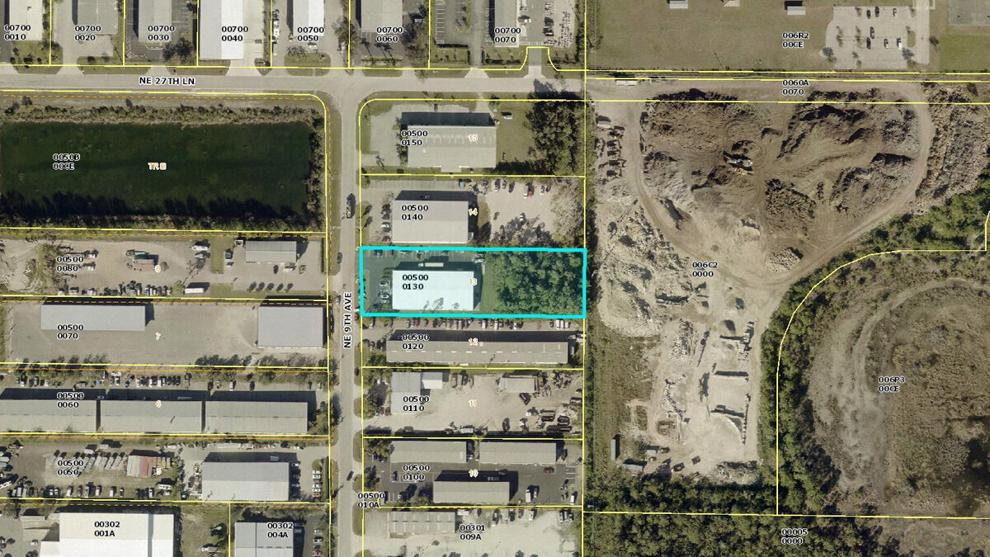
AMF produces the critical metal components that contractors depend on in hurricane-prone regions: valleys, chimney caps, and rake flashings that meet the stringent requirements of Florida's high-velocity hurricane zones. Using computerized fabrication equipment, the company eliminates improvisation from the equation—precision becomes the product. The expansion will grow their current 12,000-square-foot facility at 2659 NE Ninth Ave to roughly 24,000 square feet, allowing the company to meet the surging demand that a decade of steady growth has created.
This investment matters because it signals something larger about how communities can keep good manufacturing jobs rooted in place. The expansion is projected to generate a $4.1 million economic impact for Cape Coral while adding four new full-time positions paying an average of $25 per hour—significantly above the regional retail average. These are skilled-trades roles with staying power, the kind of employment that builds stable households and local wealth.
The mechanism behind this growth is the Business Infrastructure Grant program, managed by Cape Coral's Economic & Business Development Office. The program reimburses companies for a portion of capital expenditures—typically up to 10 percent for projects exceeding $1 million—in targeted industries including manufacturing, life sciences, and information technology. By de-risking expansion costs for established local businesses, the city effectively keeps companies like AMF from relocating to neighboring counties with cheaper industrial space.
The timing underscores a broader trend. As of mid-2026, Cape Coral's industrial market remains remarkably steady while many regions face manufacturing slowdowns. The local industrial vacancy rate holds near 4.6 percent, with market rents around $14.50 per square foot. Demand for specialized manufacturing space remains high, driven by ongoing construction-sector activity. The AMF expansion is less about speculative growth and more about deliberate modernization—a company investing in its own efficiency and capacity to serve its existing customer base better.
For Cape Coral, the message is clear: the city is building an economic foundation that extends beyond real estate and tourism. The NE Ninth Avenue corridor is becoming a visible anchor for regional manufacturing resilience. Each facility like AMF's represents not just jobs and tax base diversification, but also local supply-chain strength. When hurricanes hit Florida, faster turnaround times on roofing materials can mean the difference between swift community recovery and prolonged disruption. That's why these grants matter—they're investments in both local livelihoods and regional resilience.