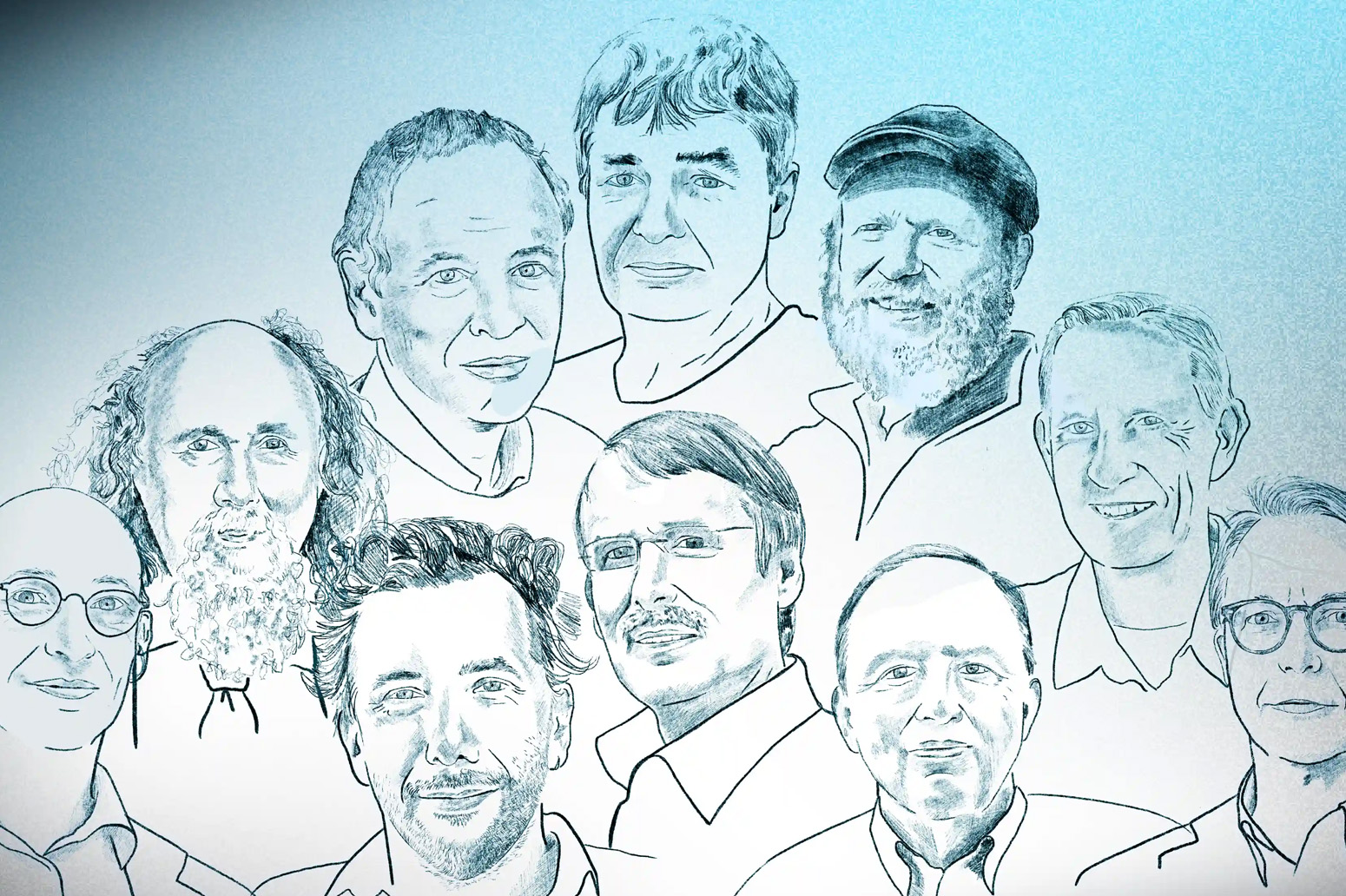
When Philippe Ciais began his career in the early 1990s, climate science was still a young field—few could have predicted how profoundly one researcher would shape its trajectory. Today, Ciais stands at the top of Carbon Brief’s Cosmos 500, the most comprehensive ranking of climate scientists by citation impact, with a staggering 69,655 citations drawn from within the database of over 1.8 million climate publications. This number isn’t just a personal milestone—it reflects decades of foundational work that has helped define how the world understands the global carbon cycle. As head of department and later associate director at France’s Laboratoire des Sciences du Climat et de l’Environnement (LSCE), and as co-chair of the Global Carbon Project, Ciais has been central to some of climate science’s most authoritative outputs, including the annual Global Carbon Budget. His leadership also helped establish the Integrated Carbon Observation System (ICOS), a network of 180 monitoring stations across 16 European countries now recognized as a landmark research infrastructure by the European Strategy Forum on Research Infrastructures.
The Cosmos 500 ranking, derived from Carbon Brief’s vast Project Cosmos database, measures how often a scientist’s work is cited by others in the field—essentially tracking influence through peer recognition. While Ciais leads the overall list, the ranking also reveals systemic imbalances: nearly half of the top 500 scientists are affiliated with institutions in the United States, only 4% come from institutions in the global south, and just 10% are women. The first 35 entries are all men, a stark reminder of who has historically shaped the scientific narrative. In a separate analysis of the 107,000 publications directly cited by the Intergovernmental Panel on Climate Change (IPCC), Prof Detlef P van Vuuren of Utrecht University emerges as the most cited, underscoring the tight link between influence and policy relevance.
Yet behind the numbers is a scientist celebrated as much for generosity as for intellect. Pep Canadell, director of the Global Carbon Project and a longtime collaborator, describes Ciais as a rare blend of visionary and mentor: 'It’s almost like the combination of the super brain that never stops developing ideas and great science, with a very personal ability to relate to people and to make people excited, all through science.' Corinne Le Quéré, a leading climate scientist in her own right and ranked 140th in the database, calls him 'unparalleled'—a researcher who remembers every conversation, every student, and who constantly sparks new lines of inquiry. With nearly 1,300 academic publications to his name and an OpenAlex h-index of 223, Ciais ranks among the top 250 most cited scientists across all disciplines. His legacy isn’t just in data or models—it’s in the global community of scientists he’s helped inspire, challenge, and unite around one of humanity’s greatest challenges.