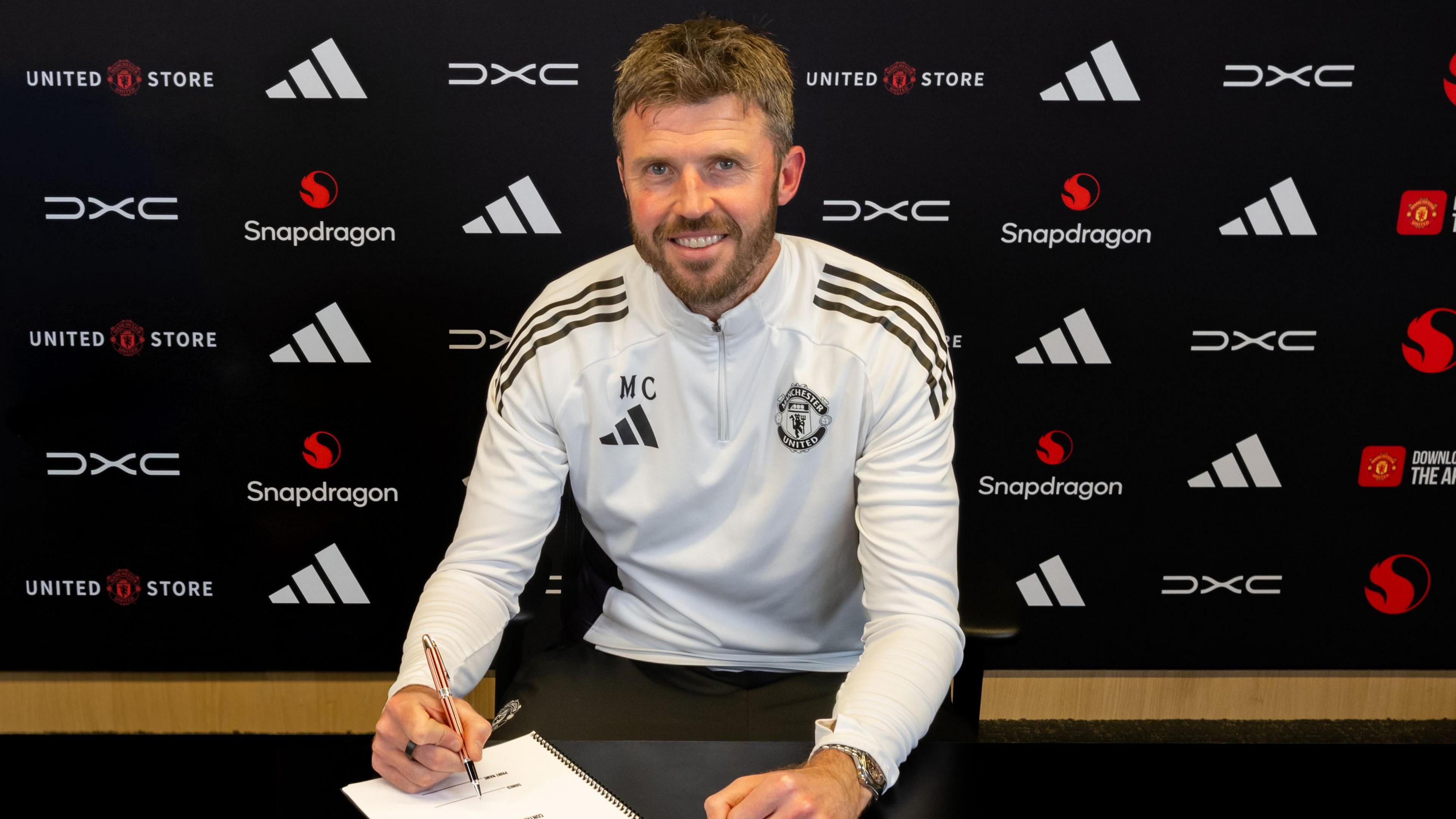
Michael Carrick will finally have an answer to give the media. After weeks of deflecting questions about his future, Manchester United's caretaker manager has been confirmed as the club's permanent head coach on a two-year deal—a reward for steering the Red Devils through one of their most turbulent seasons in recent memory.
The appointment arrives on the back of a remarkable 16-game run that saw Carrick record 11 victories while occupying the interim role. It is a transformation that has steadied the ship at Old Trafford after the whirlwind departure of Ruben Amorim, and it speaks to Carrick's ability to bring calm and stability to a dressing room in crisis. His refusal to panic in difficult moments has been felt throughout Carrington, and the players have responded with a cohesion that was absent mere weeks earlier.
Yet finishing third in a 40-game season without European football or domestic cup success is one thing; what lies ahead is altogether different. Next season, with potential for as many as 60 matches if United's fortunes improve, the demands will multiply exponentially. Carrick's greatest challenge now is not keeping the ship steady—it is building it for deeper waters.
The recruitment department must deliver, or Carrick's appointment, however sensible, risks becoming an appointment made without the tools to succeed. Central midfield is the critical area. Casemiro is leaving, Manuel Ugarte has not met expectations, and Kobbie Mainoo cannot be expected to play every single game. The departure of the experienced Casemiro in particular leaves a significant void that academy graduate Mainoo alone cannot fill, no matter how talented he is.
The defensive line presents its own urgent needs. If Patrick Dorgu continues to be deployed in more advanced roles, United need genuine competition for Luke Shaw at left-back—a position that has historically been one of the club's strengths. In goal, Radek Vitek's outstanding season on loan at Bristol City has raised questions about his future. The young goalkeeper will understandably want guaranteed playing time as he develops, which Old Trafford cannot promise if Senne Lammens remains the first choice.
There is hope in the academy. Eighteen-year-old midfielder Jacob Devaney has impressed during his loan spell at St Mirren in the Scottish Premiership, while promising England Under-20 international Shea Lacey can expect greater opportunities next season. The pathway from the youth ranks is real and valuable, but it cannot do the heavy lifting alone. Young players need experience and competition around them; they cannot be asked to shoulder the entire rebuilding project.
Carrick brings something intangible that statistics cannot capture: belief and composure. The prevailing narrative suggests United have not been quite as good as their results indicate, but this analysis misses what any observer at Carrington can see—a team that has found its feet again. That stability, that sense of direction, is Carrick's gift to the club. Now he needs the board to gift something back: players capable of taking this promising foundation and building something lasting.