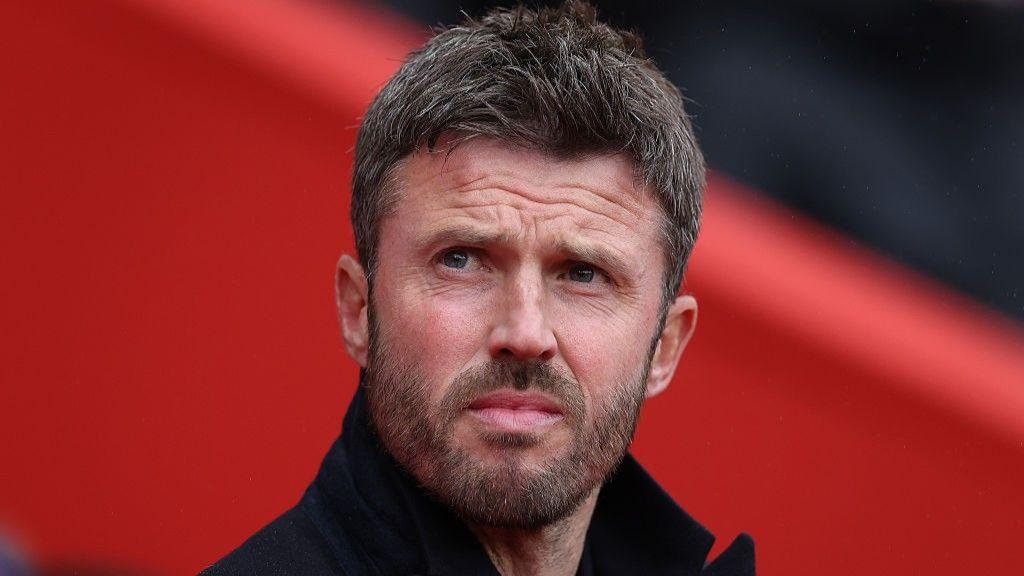
Michael Carrick's transformation from interim steadying hand to Manchester United's permanent manager feels less like a possibility and more like a formality waiting to be announced. The 44-year-old former midfielder's case has been made not in board rooms alone, but on the pitch at Old Trafford, where 10 victories in his 15 Premier League games have quietly reshaped a season that once felt adrift.
What makes this moment significant is the rare alignment of power at a club that has often been fractured by competing interests. Chief executive Omar Berrada and director of football Jason Wilcox have both recommended Carrick's appointment to minority owner Sir Jim Ratcliffe — a unified front that signals conviction rather than compromise. For a Manchester United leadership team to speak with one voice about anything is itself noteworthy; on the future of their manager, it amounts to a near-formal declaration.
The backing extends beyond the mahogany. Most players in the squad have publicly supported Carrick, and a majority of supporters believe he has earned the opportunity to continue. This isn't manufactured consensus; it reflects something more durable than honeymoon enthusiasm. Since taking over from Ruben Amorim's departure, Carrick has not simply won games — he has won them convincingly enough to secure Manchester United's return to the Champions League, a third-place finish within sight. The club needs just one point from their final two league games to lock it in. That kind of tangible achievement speaks louder than any internal memo.
Recognition beyond Manchester has followed. Carrick's name sits on the Premier League's six-man shortlist for Manager of the Season, an honour that places him among the division's elite tacticians. For a man who was managing by circumstance rather than design mere months ago, the speed of this trajectory reflects both his own capabilities and the sheer quality of work he has done.
What distinguishes Carrick's approach is his evident respect for the club's fabric and tradition. He has already announced his intention to follow the precedent set by Sir Alex Ferguson — addressing supporters after the Forest game, his final match before the permanent decision. It is a gesture that costs nothing in material terms but says everything about his understanding of what Manchester United means beyond statistics and standings. "The supporters are a massive part of this club," he reflected quietly, without the usual corporate gloss. "We thank them for the season; the last four months for me personally. For what we've gone through and that connection, which the players have felt, it's important for me to thank the fans for that."
These are not the words of a man performing for a job interview. They sound like someone already thinking like a custodian of an institution, not an opportunist passing through. That distinction matters at a club of United's stature and history. Carrick, who captained England and played for United with quiet distinction across a 14-year span, understands the weight of the shirt in a way that transcends mere experience. He has lived it.
The machinery of formal announcement may still be turning, but every signal — from the boardroom to the terraces to the tactical evidence on the pitch — points in one direction. In football, as in life, sometimes the decision is made long before it is officially announced.