Nearly two decades after the UK passed its landmark Climate Change Act, the country's independent climate advisors have issued a stark verdict: Britain is not ready for the warming already baked into its future. But in the same breath, they've offered a roadmap to get there—one that costs significantly less than doing nothing.
The Climate Change Committee has released its first "solutions-focused" report, titled "Well-Adapted UK," which maps out more than 100 concrete actions the nation must take to prepare for climate impacts through 2050. The report sets out 20 overarching objectives and measurable targets that should be prioritized in coming years, with one simple promise: adaptation is cheaper than the damages climate change will inflict.
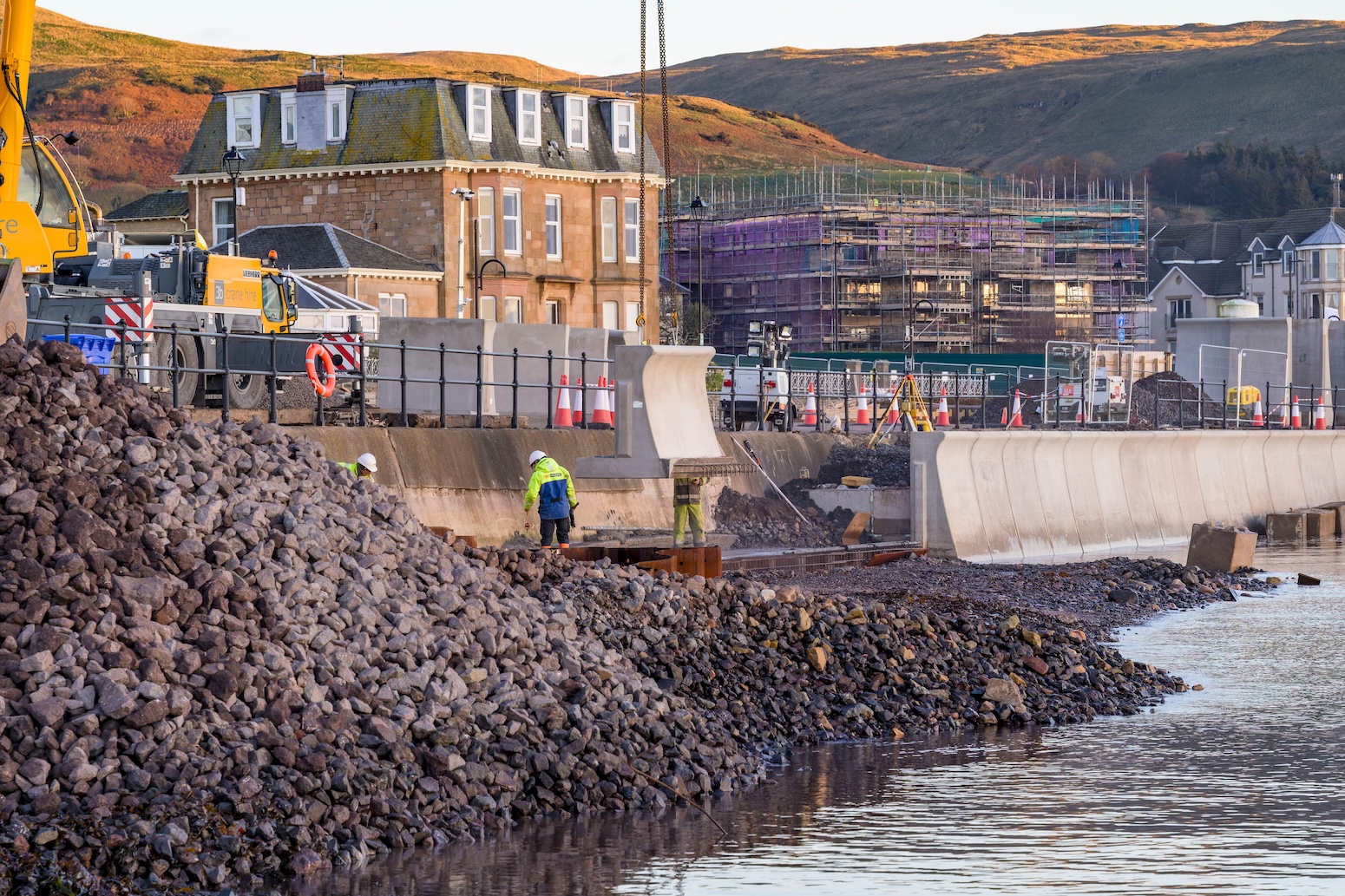
The price tag for preparedness is substantial but manageable. The CCC proposes at least £11bn in additional annual spending—largely from the private sector—to protect British homes and infrastructure from the climate shocks ahead. Most of this investment would flow toward three interconnected priorities: cooling buildings against deadly heat waves, fortifying defenses against increasingly severe floods, and securing the nation's water supply through reservoirs and efficiency improvements.
Baroness Brown, chair of the CCC's adaptation committee, framed the moment with urgency. "Despite making very strong progress on reducing emissions since 2008, I think we all agree that we have done nothing like enough to address the increasing risk from the impacts of climate change to the UK today," she said at the report's launch. The committee stresses that these investments represent a "manageable level of investment" that will "shave billions of pounds off" the damages the UK will experience without action.
The report, which runs 554 pages, systematically addresses risks across 14 key systems—from health and energy to food security and national defense. The analysis recognizes a critical reality: climate risks don't stay neatly within one sector. The most dangerous impacts will cascade across systems. A prolonged drought doesn't just threaten water supplies; it ripples through agriculture, energy generation, and public health.
Among the CCC's specific priorities is curtailing deaths related to extreme heat, a risk that has already begun materializing in British summers. The committee also highlights the need for improved cooling in buildings, better flood preparedness, and smarter water management as foundational to everything else.
This is the first time the CCC has produced a report of this kind—one that doesn't just identify problems but offers detailed solutions. The "well-adapted UK" report will feed directly into the government's fourth Climate Change Risk Assessment, due in 2027, shaping the nation's adaptation strategy for the decade ahead.
What distinguishes this moment is the committee's unequivocal framing: adaptation is not a luxury or a nice-to-have policy area. It is a financial imperative. The costs of inaction—in lives, disruption, economic losses, and cascading system failures—vastly exceed the investment required to prepare. For a nation that has long led on climate ambition through emissions reductions, the message is clear: the work of adapting to the climate we've already changed is only beginning.