In the town of Bayanga, at the edge of Dzanga-Sangha National Park, something small but hopeful is happening. About 800 tourists made the journey here in 2025 — not a huge number by world standards, but enough to change lives in this corner of the Central African Republic.
Mongabay founder Rhett Ayers Butler and Africa program director David Akana visited the park in March, talking with researchers, conservationists, local residents, and park officials. What they found defied the usual headlines about this struggling country.
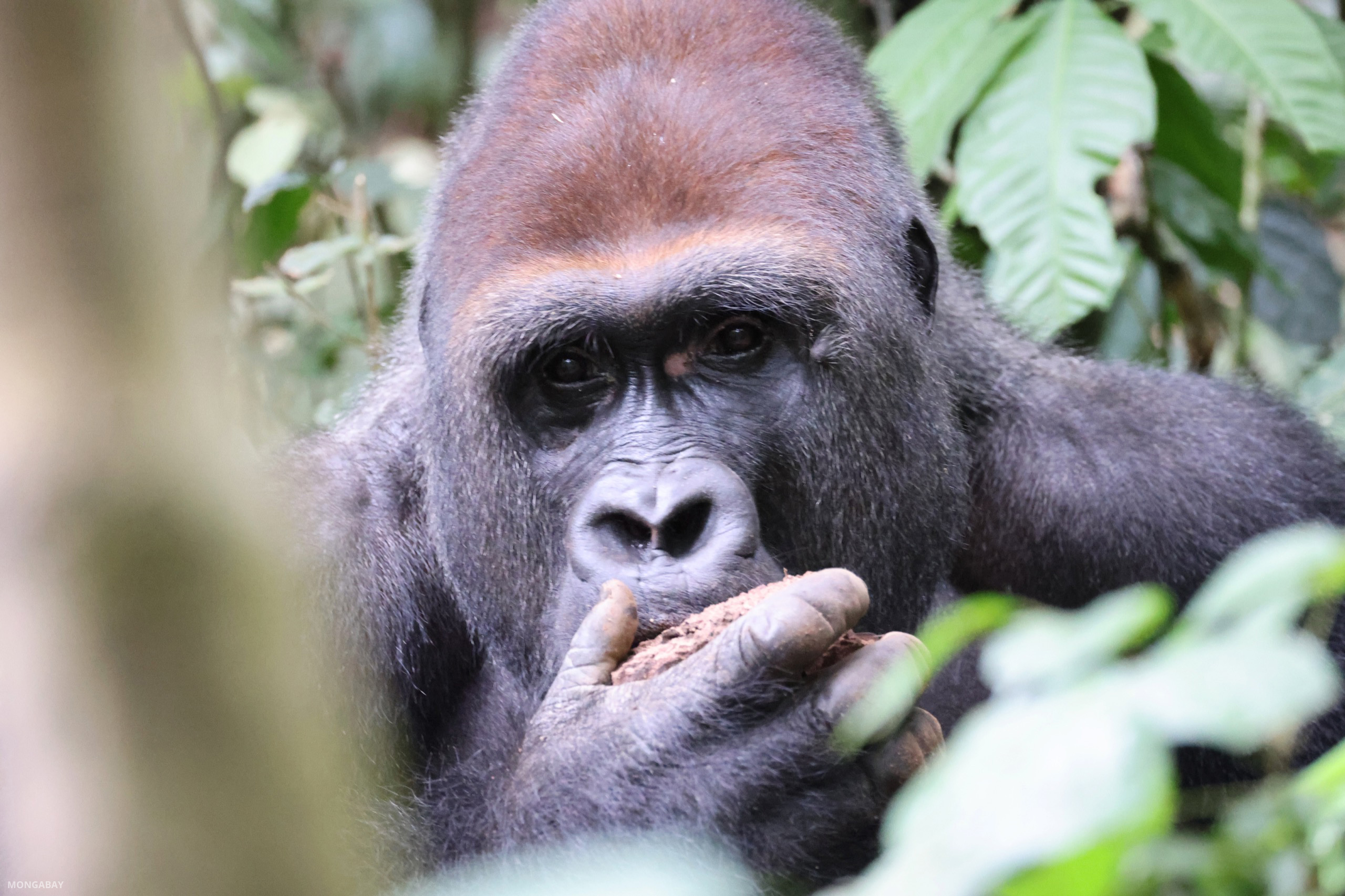
The main attractions are remarkable. At Dzanga Bai, a clearing deep in the forest, visitors can watch forest elephants gather in large groups. The park is also home to habituated lowland gorillas — primates so used to human presence that tourists can observe them up close. Most visitors come specifically to see these gorillas.
Deputy director Gervais Pamongui of the Dzanga-Sangha Protected Areas described steady growth. "There is growth," he said, crediting both the site's natural wonders and a period of relative calm in the region. Tour guide Léonce Madomi put it another way. He called the country's reputation for danger "both true and false," noting that Bayanga has largely escaped the chaos affecting other parts of the Central African Republic.
The benefits reach real people. Lodge owners report steadier business. Guides and trackers have more reliable work. Some residents say tourism money helps pay for their children's school fees or covers medical costs. The park and its partners also support concrete services: health clinics, a solar power farm that lights the town, a human rights center, and a community radio station.
Still, the picture has limits. Tourism employs only a small slice of the local population. Poor roads make travel difficult. Food shortages persist. Revenue gets shared between communities, the park, and government agencies, but this system is still developing. Plans exist to improve the viewing platform at Dzanga Bai, which could attract more visitors.
For now, Dzanga-Sangha offers a partial answer to a hard question: how do you protect wildlife in a place where people struggle to make a living? The park has created real benefits, but whether those gains can spread beyond its borders into the wider economy remains uncertain. What is clear is that for the people of Bayanga, the elephants and gorillas are more than animals. They are a chance for something different.