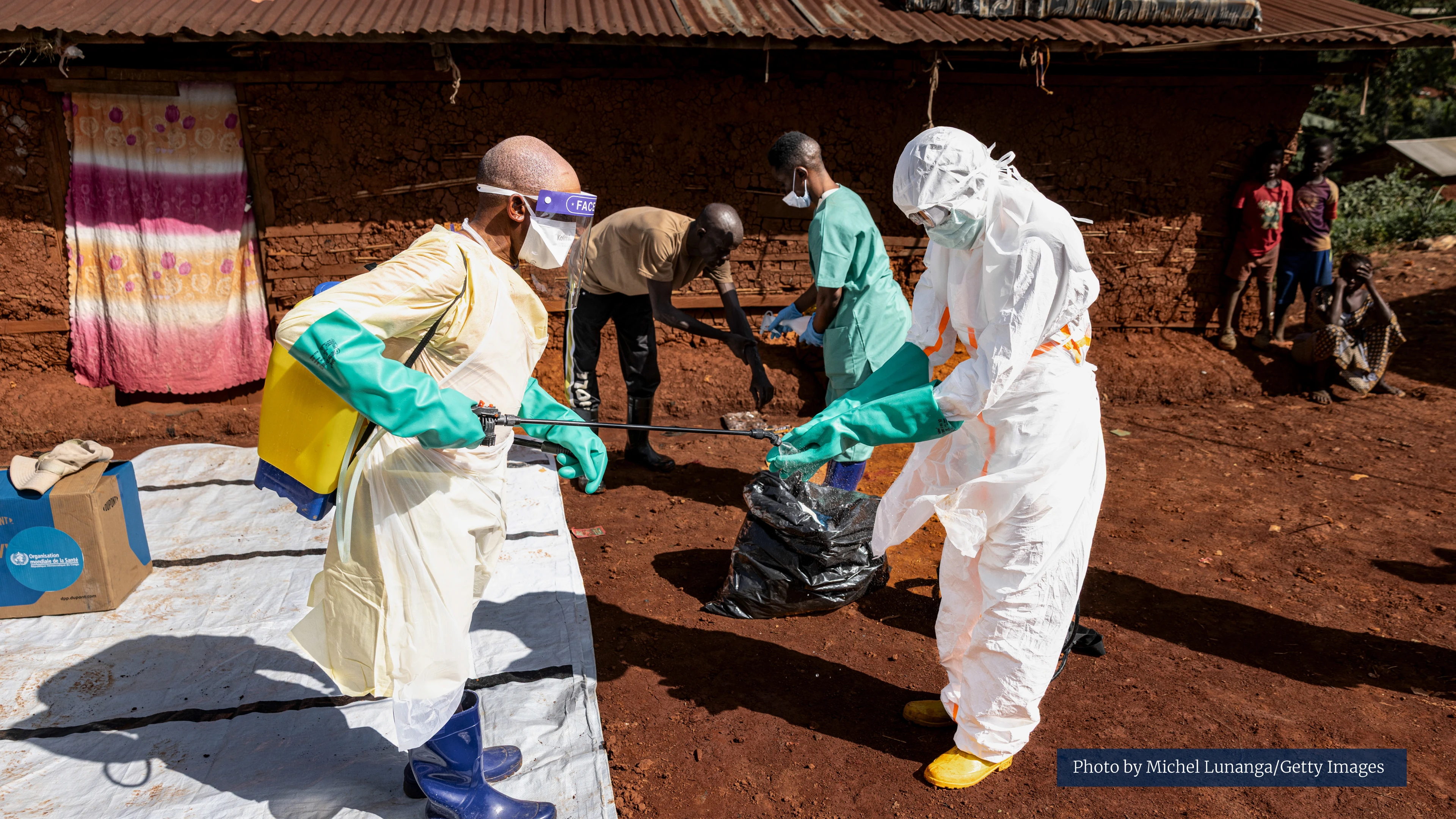
When an unfamiliar virus called Bundibugyo ebolavirus started spreading rapidly across the Democratic Republic of the Congo and Uganda in 2026, the global health system faced an urgent problem: no vaccine existed to fight it. The Coalition for Epidemic Preparedness Innovations (CEPI) responded by doing what it was built to do—moving at the speed of crisis. On June 1, 2026, CEPI announced it would urgently fast-track three investigational vaccine candidates toward clinical trials, racing against an outbreak that had already sickened more than 900 people and killed over 220.
The decision matters because Bundibugyo virus is rare but brutal. It's the third-largest filovirus outbreak in history, a distinction that underscores both the threat it poses and the stakes of getting a vaccine right. The World Health Organization and Africa CDC both declared it a public health emergency, signaling that this wasn't a localized concern but a continental and global one. Yet when the outbreak began, there was nothing in the clinical pipeline to stop it—only the urgent possibility of one.
CEPI's portfolio reflects a strategic bet on diversity. The three vaccine candidates come from IAVI, Moderna, and the University of Oxford, with manufacturing set to happen at the Serum Institute of India. Each uses a different validated vaccine technology platform, chosen specifically to maximize the chance that at least one would work. That approach builds on real precedent: all three platforms have extensive safety data from previous use against related viruses like Zaire Ebola, Sudan virus, and Marburg virus. The IAVI candidate, for instance, uses the rVSV platform that already underpins an approved and WHO-prequalified vaccine against Zaire ebolavirus. Its key advantage is rapid onset of protective immunity after a single dose—a critical feature when vaccines are deployed in the chaos of an active outbreak.
The funding moved with corresponding speed. CEPI committed initial funding of up to $3.2 million to IAVI alone just for preparations to generate the starting material needed to manufacture a vaccine and begin testing. This wasn't grant money distributed over years; it was capital deployed to compress timelines from years into months. Dr Richard Hatchett, CEPI's CEO, put it plainly: "With Bundibugyo virus spreading rapidly and no licensed vaccines, every day counts in the race against this deadly disease."
What distinguishes this response from earlier epidemic responses is the institutional weight behind it. WHO's Director General emphasized that "a Bundibugyo vaccine could help to control this epidemic and strengthen preparedness for future outbreaks." Africa CDC's Director General linked the investment not just to saving lives in the immediate crisis but to building African vaccine manufacturing capacity for the long term. These weren't siloed comments—they reflected a genuine coordination among global health institutions, each recognizing that an outbreak anywhere, if unchecked, becomes a threat everywhere.
CEPI signaled its commitment would not stop at three candidates. Even as work on these three began, the organization announced it would continue evaluating additional promising vaccine candidates through an open Call for Proposals, strengthening the pipeline further. The equity principle was built in: CEPI and its partners committed to ensuring rapid, affordable supply to affected countries once a vaccine proved safe and effective. In a crisis, speed and access go hand in hand.