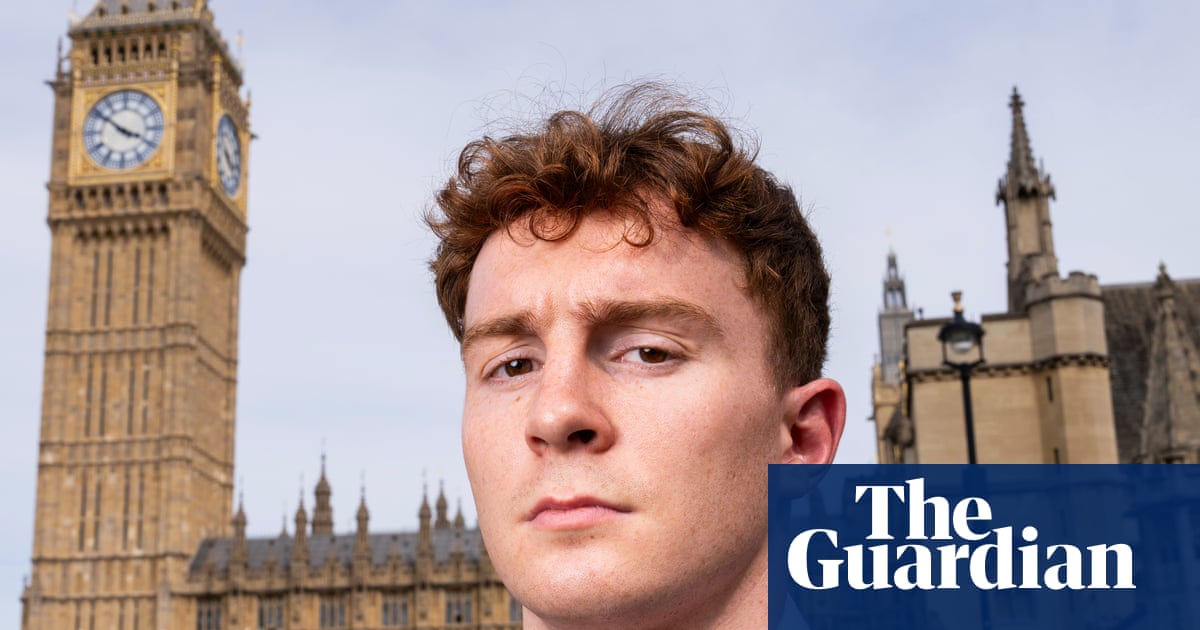
Archie Goodburn still remembers the exact moment his vision blurred mid-stroke, his left side going numb as he clawed through the water at his Glasgow training pool—a split second that would unravel a diagnosis three oligodendrogliomas, rare brain tumours affecting just 3% of brain cancer patients. Two years later, the 24-year-old swimmer is not only preparing to represent Scotland in the 50m breaststroke at the Commonwealth Games in Glasgow, but also leading a national campaign to transform brain cancer care in the UK. It’s Vorasidenib, a groundbreaking drug only recently made available to UK patients, that gave him this chance—halting tumour growth and sparing him from immediate chemotherapy and radiotherapy, treatments that could have derailed both his athletic career and his chemical engineering degree at the University of Edinburgh.
Goodburn’s story underscores a stark reality: brain cancer is the leading cause of cancer death among children and adults under 40 in the UK, yet it has received just 1% of the government’s national cancer research funding since 2002. Despite promising early research, a critical 'translational gap'—dubbed the 'valley of death' by the All-Party Parliamentary Group on Brain Tumours—blocks discoveries from reaching clinical trials. Of the £40 million pledged by the government in 2018, only a fraction has been spent, held back by bureaucratic silos and risk-averse funding models. Goodburn, now a central voice in the Brain Cancer Justice campaign, is demanding the immediate release of the remaining funds, the appointment of a dedicated government brain cancer lead, expanded genome sequencing at diagnosis, and a 'right to try' policy for innovative treatments.
Vorasidenib, which inhibits proteins that fuel tumour growth, was initially rejected by the National Institute for Health and Care Excellence (Nice) before a wave of advocacy—including from Goodburn—forced a reversal. Within months of starting the drug, he broke the Scottish record in the 50m breaststroke, a moment that crystallised his belief in the power of access to cutting-edge medicine. “I campaign, if I’m being completely honest, because of the disparity in care, the lack of funding, but also because I believe that my campaigning can actually make a difference to my own future,” he says. “In some ways, it’s a treatment of its own.”
As MPs prepare to debate the petition he helped deliver to Westminster, Goodburn stands at the intersection of sport and science, hope and urgency. His presence in the Glasgow arena this summer will be more than an athletic triumph—it will be a symbol of what’s possible when research meets resolve. And for the thousands living with brain tumours, his voice carries a simple, powerful message: change isn’t just needed. It’s within reach.