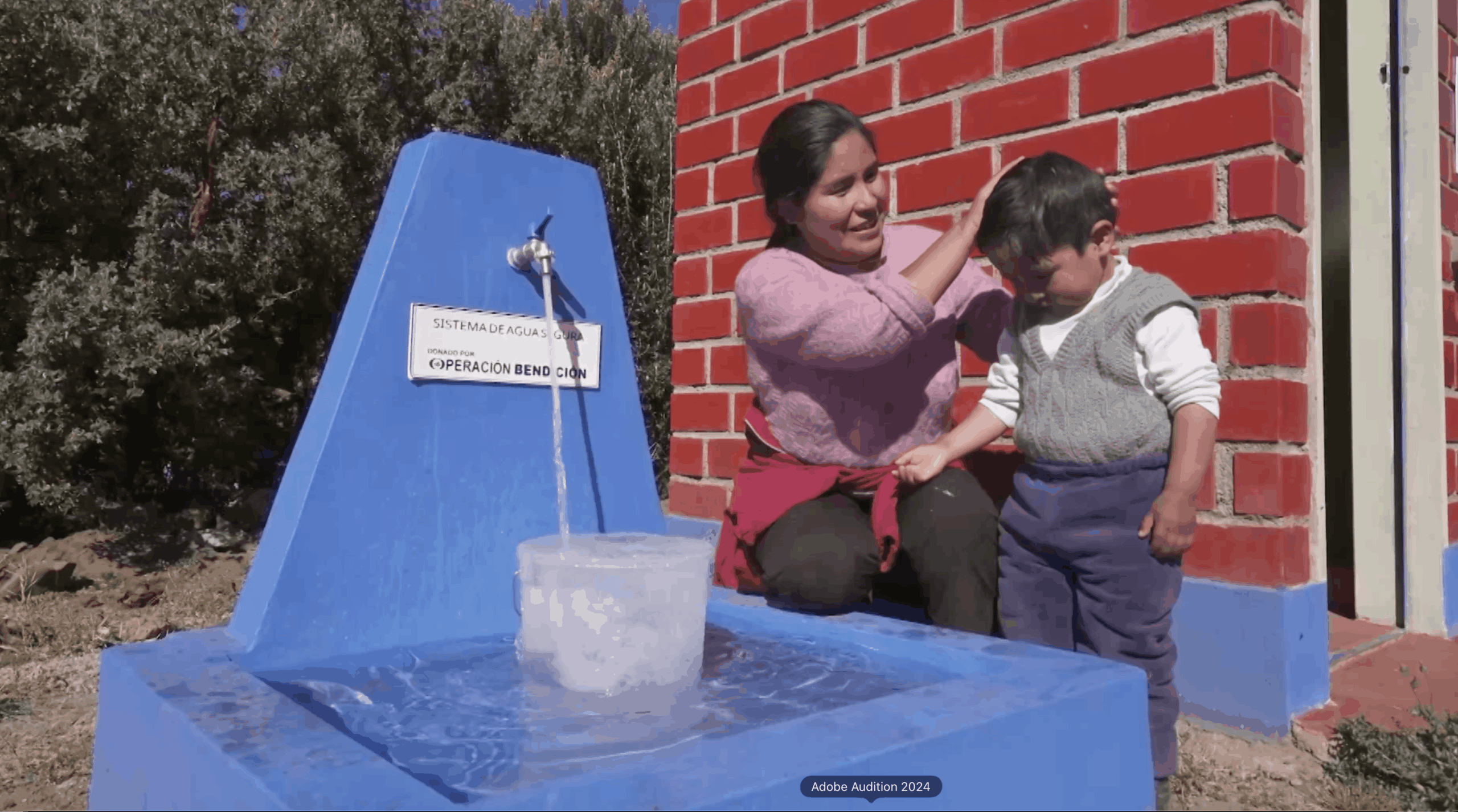
Maribel carefully listens for the sound of running water as she walks the narrow mountain paths near her home in Peru's Andes Mountains, navigating by ear and smell because retinitis pigmentosa has left her with only 5% of her vision remaining. For years, this irreversible condition meant that one of life's most basic needs—access to clean water—became a daily crucible of fear and danger. Every morning, she would carry heavy buckets back to her house while raising her young son alone, a task made infinitely harder by the steep, slippery riverbanks she had to descend, especially during the brutal dry season when water sources retreated deeper into the mountains. One day, that precarious routine ended in disaster: Maribel lost her footing and fell into the river. "From that moment on, I've been very afraid," she would later recall.
The incident highlights a reality that affects millions across the developing world—that access to clean water is not a luxury but a matter of safety and survival, and its absence disproportionately harms the most vulnerable. In remote mountain communities like Maribel's, the burden of water collection falls most heavily on women and girls, who shoulder the physical labor while managing households and childcare. For someone living with severe vision loss, this burden became nearly unbearable. The dangerous daily journey was not simply inconvenient; it was a question of whether each trip might be her last.
Operation Blessing, recognizing the urgent need in Maribel's 26-home village, installed a comprehensive water collection and treatment system that fundamentally transformed life in the community. Pipes now deliver clean, safe water directly to each household—including Maribel's. The scope of the intervention extended beyond plumbing: the organization also built sanitation infrastructure, including a bathroom in Maribel's home, a luxury that had never existed in her life before.
The change is not merely material; it is existential. Maribel no longer makes that terrifying descent to the river. She no longer risks her safety or her son's wellbeing in pursuit of water. Instead, she can cook, clean, and care for her family from the safety of her own home. "They even built me a bathroom. What a blessing!" she said, her gratitude both simple and profound. For a woman who navigates the world by sound and touch, having water steps away from her door means reclaiming autonomy and dignity.
The impact radiates outward. When one family gains access to clean water and sanitation, an entire household's health improves—children miss fewer school days, women have time for income-generating work or rest, and waterborne illness rates plummet. In villages across the Andes, clean water is not an isolated benefit but a cascading force that strengthens education, economic opportunity, and family stability all at once.
Stories like Maribel's demonstrate why investments in water infrastructure in remote, underserved communities matter so profoundly. Behind every pipe installed and every bathroom built is a human being reclaiming safety, health, and hope. For Maribel, listening to water running from a tap in her own home is no longer a distant dream—it is her daily reality.