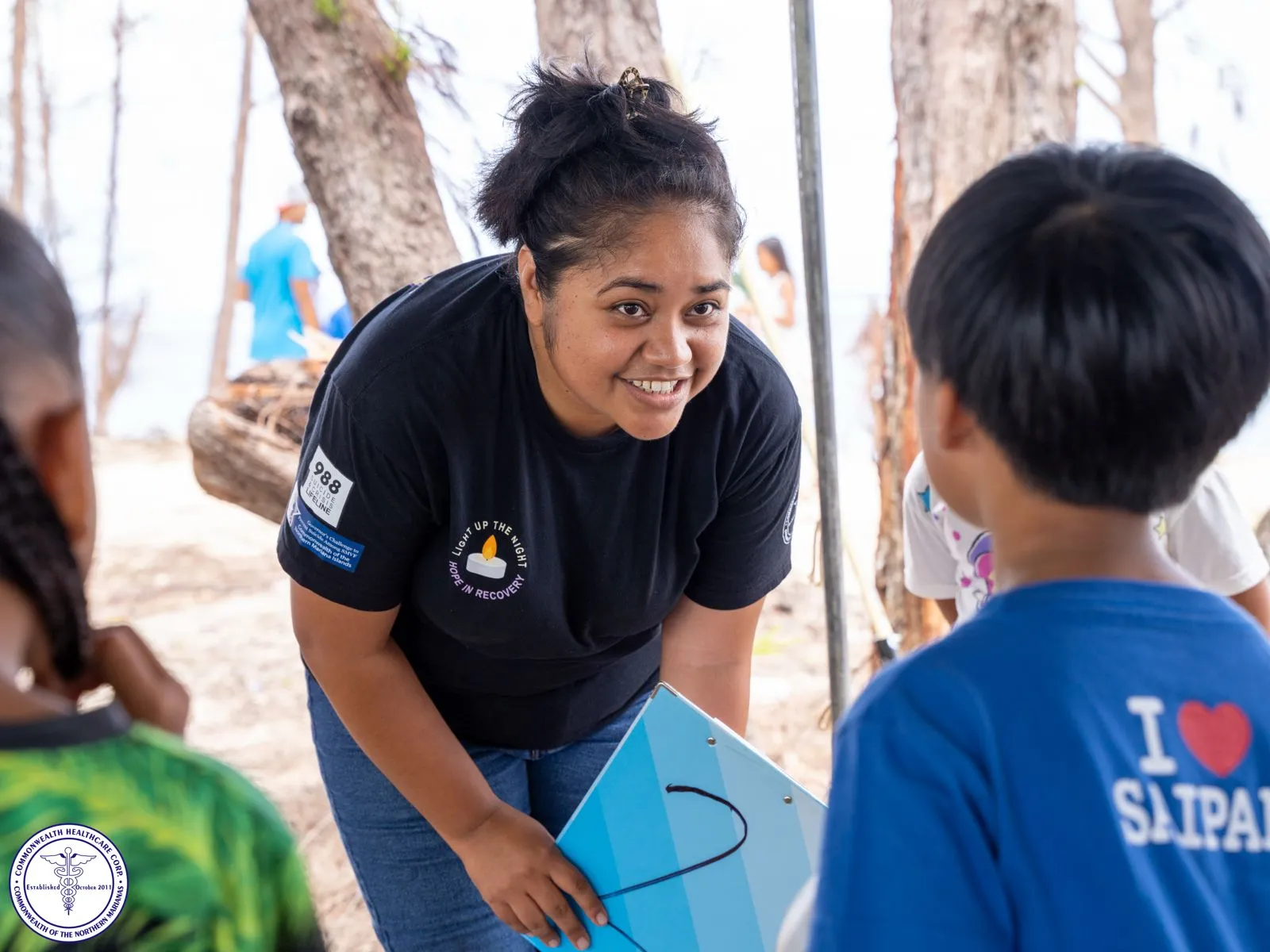
When Super Typhoon Sinlaku swept across the Northern Mariana Islands, healthcare became urgent and complicated—pharmacies flooded, power lines fell, and families sheltering in damaged homes couldn't access the medications and care they needed. The Commonwealth Healthcare Corporation's Population Health Services responded by taking medicine and wellness directly to people, walking through neighborhoods, knocking on doors, and checking on residents one household at a time.
In the aftermath of major natural disasters, this kind of sustained outreach makes the difference between recovery and deeper crisis. The Northern Mariana Islands, a U.S. commonwealth in the Pacific, faces unique challenges: isolation, limited infrastructure, and dependence on imported goods. When supply chains break, people run out of insulin, blood pressure medications, and antibiotics. Mental health support becomes just as critical as physical care. The CHCC's decision to mobilize house-to-house teams rather than wait for residents to reach clinics meant meeting people where they actually were.
Between April 20 and May 23, 2026, CHCC's Population Health Services teams logged remarkable numbers. They completed 1,148 mobile medical visits across affected communities. Through these visits, they treated 661 illnesses, addressed 511 chronic health cases—ensuring people with diabetes, hypertension, and other ongoing conditions didn't miss doses or fall through the cracks during chaos. The teams distributed 778 prescriptions and medication refills and provided 96 injury treatments. Beyond the physical wounds, they delivered 63 behavioral and mental health support visits, recognizing that typhoons leave psychological scars alongside physical damage.
These efforts were not the work of CHCC alone. The healthcare corporation partnered with the Community Guidance Center, Samaritan's Purse, Team Rubicon, and the U.S. Department of Health and Human Services' Administration for Strategic Preparedness and Response. Donations poured in from Direct Relief, Heart to Heart International, and regional organizations including the Guam Pharmacists Association, the Diabetes Foundation of Guam, and the Guam Healthcare Providers Coalition. Medical supplies, medications, and logistical support flowed through community networks, amplifying what the teams could offer.
Equally critical was the work of CHCC's Environmental Health and Disease Prevention team, which tackled public health dangers that linger after disasters. Power outages threatened refrigerated food and medications. Water interruptions jeopardized sanitation. The EHDP team conducted 237 inspections of food establishments and regulated facilities to ensure they could safely reopen. Sixteen establishments initially failed inspections—unstable power, compromised water supply, improper food storage—but through technical support and follow-up, all 16 successfully met safety standards and reopened, protecting the community from foodborne illness risks that can surge in post-disaster conditions.
What emerges from these numbers is a portrait of systematic care: not just emergency response, but the deliberate work of checking whether someone had enough blood pressure medication, whether a family with a young child was managing after evacuation, whether a business owner understood how to safely store food without reliable electricity. This is recovery that honors both the urgency of crisis and the patience required for communities to heal. As the Northern Mariana Islands continues rebuilding, the CHCC's model of sustained, on-the-ground healthcare outreach offers a template for how island and vulnerable communities can support their own resilience.