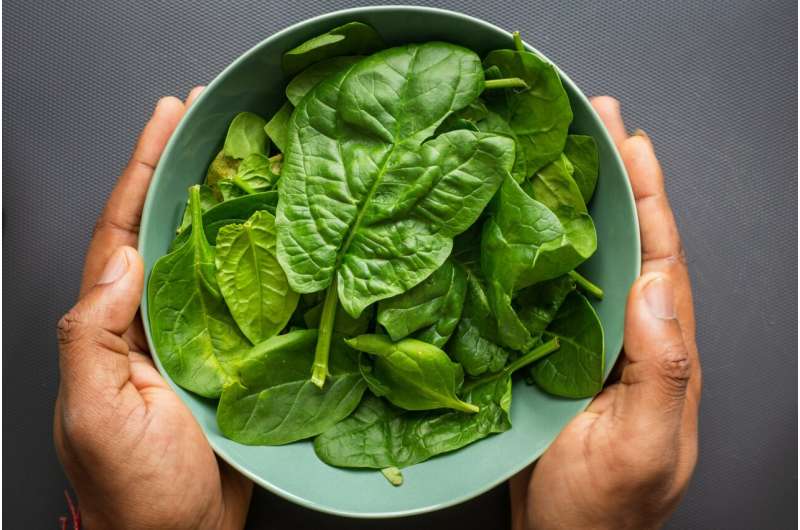
Hubba Bubba bubble gum, long a staple of childhood pockets and arcade machines, has unexpectedly stepped into the spotlight—not for its flavor, but for its role in lowering blood pressure. In a surprising twist from King’s College London, researchers have found that chewing sugary gum after eating nitrate-rich vegetables like beetroot, spinach, and kale significantly boosts the body’s ability to convert nitrates into nitrite, a compound that relaxes blood vessels and improves cardiovascular health. The study, published in the British Journal of Clinical Pharmacology, reveals a previously overlooked connection between oral acidity and vascular function—one that hinges on a simple piece of gum.
The science begins in the mouth. Vegetables absorb nitrate from soil, but the body can’t use it directly. Instead, beneficial bacteria on the tongue convert nitrate into nitrite, which then circulates through the bloodstream, widening blood vessels and reducing blood pressure. For years, researchers assumed increased saliva acidity would hinder this process. But Dr. Andrew Webb and his team challenged that notion, asking: what if the opposite were true? To find out, they recruited healthy volunteers and had them drink beetroot juice—rich in nitrates—followed by either sugary Hubba Bubba gum or sugar-free Wrigley’s Extra. Over several hours, they measured saliva pH, nitrite levels, and blood pressure in each participant, then repeated the experiment with the alternate gum.
The results were striking. When participants chewed Hubba Bubba, the acidity of their saliva increased by a full 1.4 pH units—a significant shift. This more acidic environment led to a 45% increase in nitrite levels in the mouth and a 25% rise in systemic nitrite levels compared to sugar-free gum. Most importantly, systolic blood pressure dropped by nearly 3 mmHg and diastolic by 2 mmHg—modest but meaningful reductions, especially when considered across a population. While the effects lasted only a few hours and long-term sugary gum use poses dental risks, the findings suggest a practical, short-term boost for those consuming nitrate-rich meals.
The implications extend beyond the clinic. Athletes already use beetroot juice to enhance endurance, and this study suggests that pairing it with a brief stint of sugary gum could amplify those benefits. Even more poetically, the research lends scientific weight to a traditional dining rhythm—starting with leafy greens and finishing with a sweet note, perhaps fruit or dessert. As Dr. Charlotte Mills of the University of Reading notes, the mouth’s microbiome is not just a passive gateway, but an active partner in health. While no one is prescribing bubble gum as medicine, the study reminds us that sometimes, the smallest habits—like a chew after dinner—might carry quietly powerful effects.