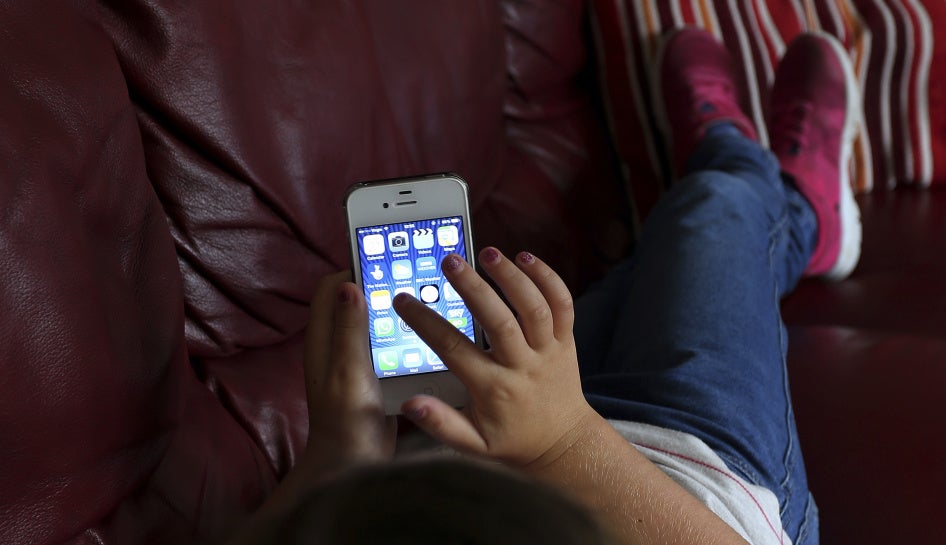
When Japan's government recently considered blocking children from social media entirely, it said no. In June, a working group at Japan's Internal Affairs Ministry rejected a blanket age-based ban on social media for children, calling such a ban "not desirable." The group is still finishing its report, but its decision opens the door to smarter ways of keeping kids safe online.
Human Rights Watch, an international nonprofit that studies human rights around the world, cheered the rejection. The group argued that online safety rules should actually protect children's rights — not take them away. Any limits on children's rights, the organization said, should be lawful, necessary, and fair. A total ban, they said, fails that test.
The working group's draft report does propose real protections, though. It suggests requiring social media companies to study and publish reports on the dangers their platforms might pose to children. It calls for outside groups to review those safety measures. And it recommends turning on protective settings by default, so children are safer automatically instead of having to adjust settings themselves.
But Human Rights Watch says the report could go further. Japan agreed to protect children's rights when it signed the United Nations Convention on the Rights of the Child back in 1994. The organization wants Japan's new rules to be built on that foundation — recognizing that children deserve the same human rights as everyone else, including privacy and freedom of expression.
Human Rights Watch also found a serious problem with educational technology — software used in schools. Research showed that most education apps recommended by Japan's own Education Ministry were secretly watching students and sending their personal information to advertising companies. That data collection puts children's privacy at risk.
The organization is pushing Japan to pass stronger laws protecting children's data. These laws should require companies to use the safest privacy settings by default, turn off recommendation algorithms that keep kids scrolling endlessly, and ban push notifications designed to hook young users. Strong data protection, researchers argue, could also reduce the privacy risks that come with trying to verify a user's age online.
By putting children's rights and data protection at the center of its policy, Japan has a chance to become a model for other countries trying to keep kids safe in the digital world.