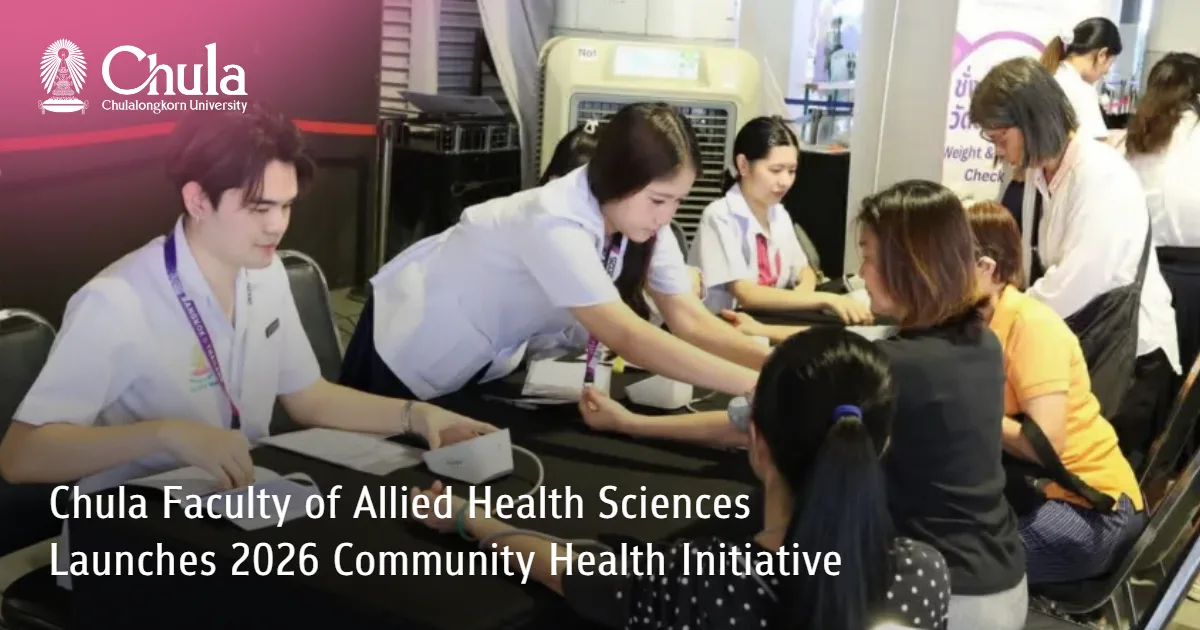
On July 2, 2026, a bustling corner of Bangkok's famous MBK Center transformed into a hub of free health screening. Chulalongkorn University, Thailand's oldest and most prestigious university, held its annual community health initiative—called "CU Medical Technology Cares for Public Health 2026"—to mark Thai Medical Technology Day. For one day, Avenue Zone A on the ground floor opened its doors to anyone walking by who wanted to learn more about their body, at no cost.
The event was organized by the Department of Clinical Chemistry and the Bachelor of Science Program in Medical Technology at the Faculty of Allied Health Sciences. Opening ceremonies were led by Associate Prof. Dr. Palanee Ammaranond, Vice President of Chulalongkorn University, representing the University President. Assistant Professor Dr. Tewin Tencomnao, Dean of the Faculty of Allied Health Sciences, explained that the project aimed to address the growing burden of non-communicable diseases (chronic illnesses that don't spread from person to person) in Thailand, especially diabetes, heart disease, and metabolic disorders.
Attendees could choose from four valuable laboratory tests. The HbA1c test measured blood sugar levels over the past two to three months, helping identify diabetes risk. A Lipid Profile checked cholesterol and fat levels in the blood to assess heart disease risk. The popular Vitamin D test evaluated bone health, muscle function, and immune system strength—appointments filled up so quickly that extra slots had to be added. A fourth test, Homocysteine, checked for heart disease risk and vitamin B metabolism problems. This last test is rarely included in routine health checkups because it's expensive, making its inclusion here especially noteworthy.
But the day offered more than just numbers on a page. Medical technologists and university experts sat down with each participant to explain their results in plain language. Nutrition counselors advised on healthy eating. Exercise specialists shared practical tips. Lifestyle coaches offered advice on preventing chronic diseases for years to come.
A series of public talks also drew crowds. Associate Professor Dr. Panan Ratthawongjirakul explained how medical technology shapes modern healthcare. Assistant Professor Dr. Jennifer Chavanovanich discussed mental health care. Ms. Kawinna Niwattakul, a medical technologist from Lerdsin Hospital and creator of the popular The Dark Lab social media page, taught attendees how to read their own blood test results. Dr. Supawit Ittinirundorn from the Sports Science department led a session on exercise for better health.
Health Center Region 5 also joined the effort, providing free oral health exams and HPV and HIV screening for those who qualified. The collaboration brought together university faculty, staff, medical technologists, students, and healthcare partners—all working toward a single goal: helping Bangkok's residents take charge of their health.
"The project brought together faculty members, staff, medical technologists, medical technology students, and healthcare partners in a collaborative effort to serve the community," the university noted. Students played their part too, serving as emcees, welcoming visitors, managing registration, and guiding people between stations. The overwhelmingly positive response showed just how much demand exists for free, accessible health information in the city.