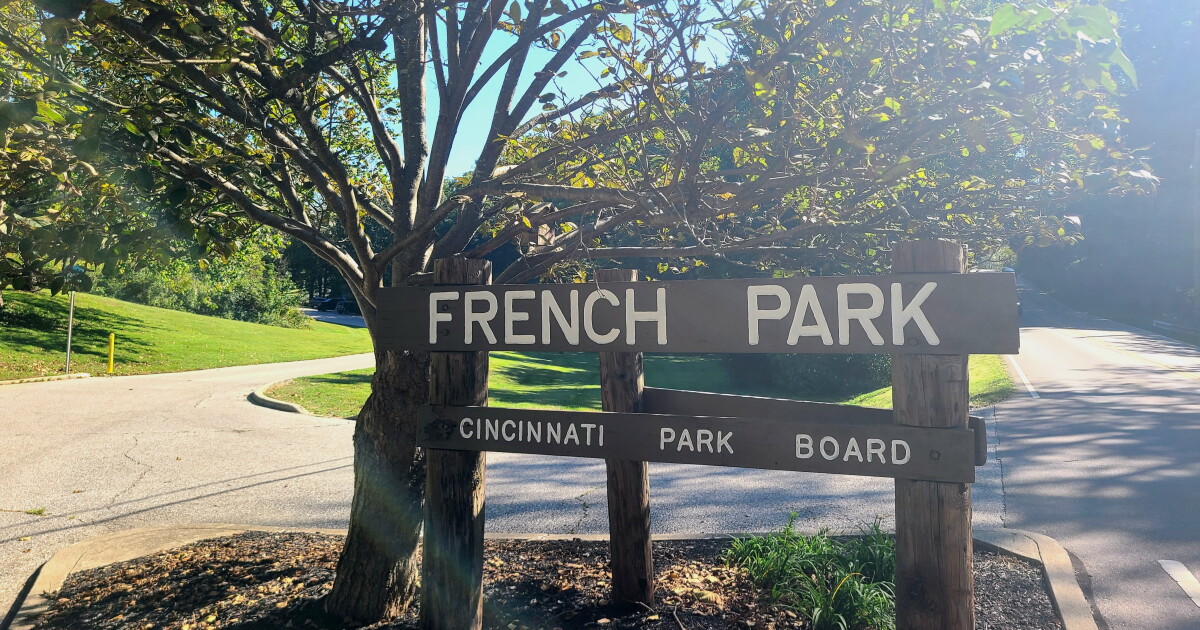
Somewhere in Amberley Village, Ohio, crews are already out at French Park pulling up honeysuckle, privet and burning bush — the first step in what Cincinnati is calling its largest reforestation effort in a city park in nearly 100 years. The work is funded by an anonymous $1.8 million donation, and it aims to bring back a 228-acre forest that has been quietly choked out by invasive plants.
Cincinnati Parks Director Jason Barron puts it plainly: "All too often invasive species have made our woods so crowded that you literally can't even see the forest for the invasive trees." He says the goal is to completely restore these woods "to the way they ought to be."
The plan stretches over several years. Crews will tear out the invasive plants, plant a new generation of native trees, restore wildlife habitat, and improve trails and access. A dedicated Natural Resource Specialist will oversee the project for five years, thanks to the same donation. When it's done, the park district hopes to take the playbook and expand it to other forests across the city's parks.
The scale is remarkable. French Park covers a little more than 280 acres — including hillsides, creeks, meadows and hiking trails — and 228 of those acres are wooded forest. It's also home to a popular event space and a handful of busy walking paths that locals use year-round.
Cincinnati Parks says this is the largest forest renewal effort it has undertaken since creating and reforesting Mount Airy Forest back in the 1930s. That's nearly a century of waiting for a project on this size.
Why does this matter? Green spaces do more than look nice. Mayor Aftab Pureval points out that natural places are among a city's most valuable public assets — not buildings or roads, but the parks that make communities healthier, more vibrant and more connected. "Green spaces like this improve our quality of life, support physical and mental well-being, and give families places to enjoy nature together," he said. "This gift, and the conservation work it makes possible, will help ensure this park continues to benefit our community for generations."
The Cincinnati Parks Foundation believes the work "has the potential to become a model for restoring urban forests throughout Cincinnati and beyond." That's a hopeful bet: if a city can bring back a forest it nearly lost to tangled invaders, other cities might learn to do the same.
For now, the clearing has begun. Roots are being pulled, sunlight is reaching the forest floor again, and a forest that has spent decades crowded and dim is getting a second chance. It's the kind of quiet, hands-in-the-dirt work that won't make headlines every day — but in a few years, hikers walking those trails will see a forest that looks the way it was always meant to.