In early 2025, as fossil fuel prices spiked amid geopolitical turmoil, Europe shelled out €18.5 billion more than expected—money that flowed out of its economy like sand through an hourglass. Yet beneath this vulnerability lies a quiet revolution: the European Union is now a clean tech powerhouse, producing nearly twice as many wind turbines and electric vehicles as it installs each year. Ember’s latest report, “A clean break: leaving fossil volatility for clean tech security,” reveals that Europe’s manufacturing muscle in renewables and electrification is not just robust—it’s already outpacing demand. At a time when energy security dominates headlines, the continent isn’t waiting for solutions; it’s building them at scale.
Between 2021 and 2024, the EU spent €1.8 trillion on fossil fuel imports, a staggering sum that underscores its exposure to global instability. But the tide is turning. In 2025 alone, electric vehicles in Europe avoided 67 million barrels of oil consumption—equivalent to €4.1 billion in saved import costs. Meanwhile, domestic clean tech production is surging: manufacturers can produce 30 gigawatts of wind turbines annually, far exceeding the 14 GW installed that year. Electric vehicle production capacity stands at 4.6 million, compared to 2.6 million sold, and heat pump output could meet nearly triple current demand.
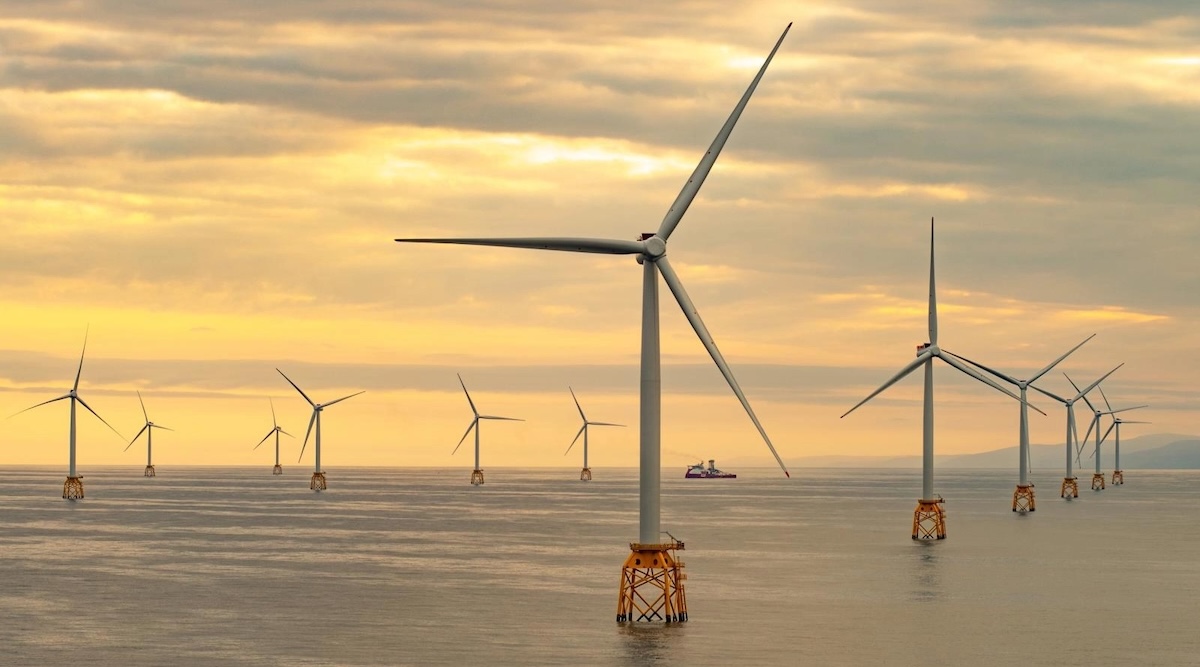
Exports tell another story of strength. European-made wind turbines and EVs brought in over €30 billion in 2025, with global demand fueling growth. Siemens Gamesa, headquartered in Germany, led the world as the top supplier of offshore wind turbines. The sector already supports 1.8 million jobs across the continent—a number projected to rise to 2.3 million by 2030. Even where Europe relies on imports, such as solar panels or battery components, the risk profile is fundamentally different. A single shipment of solar panels can generate as much energy as an LNG tanker, but unlike gas, those panels keep producing electricity for over 20 years without another import. Once installed, clean tech insulates economies from future shocks.
“The US-Israel war with Iran has once again exposed how vulnerable Europe remains to events beyond its control,” says Tom Harrison, energy analyst at Ember. “But the data offers a more encouraging picture.” With the manufacturing base already in place, the report argues that what’s missing isn’t technology or capacity—it’s policy that moves as fast as innovation. The tools for energy independence are not on a distant horizon. They’re being built today, in factories from the North Sea to the Mediterranean. The path to security isn’t abroad. It’s already at home.