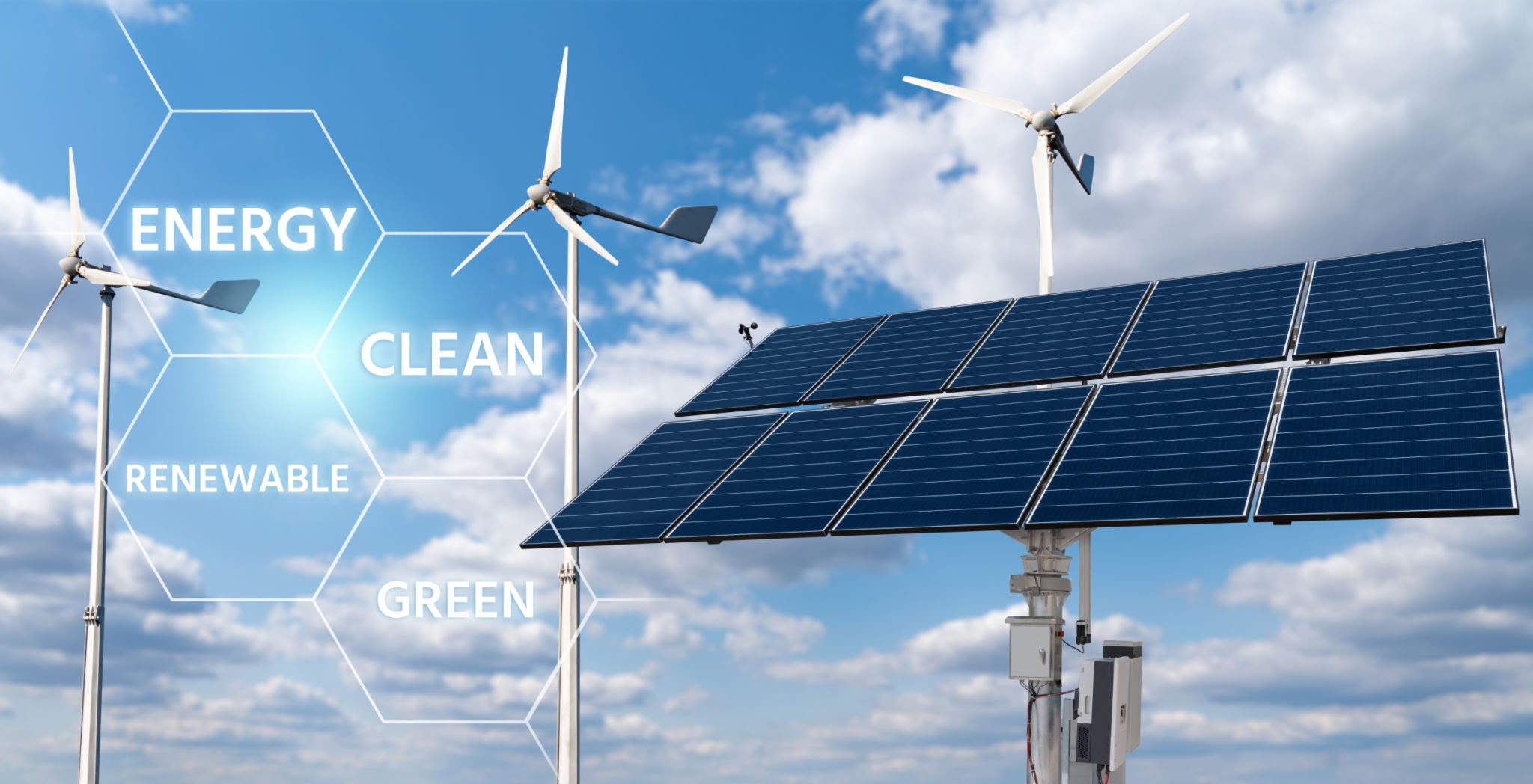
When the International Energy Agency released its World Energy Investment 2026 report on May 28, the numbers told a story that contradicts the prevailing narrative about energy's future. Global clean energy investments reached $2.2 trillion last year — nearly double the $1.2 trillion poured into fossil fuels. This wasn't a one-year aberration driven by temporary policy shifts. The trend has been unmistakable for the past decade, revealing that market forces, not just environmental conviction, are fundamentally reshaping how the world powers itself.
The context matters urgently. Many observers assume that because governments continue favoring fossil fuels, investment flows must follow. Yet the opposite is happening. According to Ingmar Rentzhog, CEO of We Don't Have Time, the reason is almost embarrassingly simple: "Fossil fuels are not cheap. They are underpriced and society quietly pays the difference." He examined this question head-on in a June 2026 Forbes essay, asking whether clean energy still leads when you factor in government subsidies propping up coal and oil. Even accounting for these hidden costs to taxpayers, clean energy investments remain nearly double those in fossil fuels.
The comparison isn't perfect — Rentzhog is transparent about this. Fossil fuel subsidies appear mostly as direct government support: consumer price breaks, tax incentives, and producer payments meant to keep energy artificially cheap. Clean energy subsidies, by contrast, often finance investments already counted in investment totals, creating overlap. Yet the direction is unambiguous. Governments continue bankrolling fossil fuels even as capital increasingly flows toward renewables. The honest conclusion is that when fossil fuels must compete without subsidy protection, they lose.
This reality becomes clearer when you understand what the statistics actually measure. Fossil fuels still supply roughly 80 percent of the world's energy — a figure that alarums many observers. But this number obscures a staggering inefficiency: nearly two-thirds of the energy in fossil fuels is wasted before it delivers any useful work. Of the 606 units of primary energy that entered the global system in 2019, only 227 ended up as useful energy — heat, motion, light that people actually need. The entire fossil fuel system operates at just 37 percent efficiency, a loss representing more than $4.6 trillion annually, or roughly $600 per person on Earth.
This waste explains why the clean energy transition isn't as daunting as raw percentages suggest. Electricity — the sector that has embraced renewables most aggressively — already draws heavily from hydro, nuclear, wind, and solar. The "all-energy" figure staying near 80 percent fossil fuel dominated reflects the slowest-moving parts of the system: cars, furnaces, and factories still burning oil and gas. These sectors are only beginning to turn, following electricity's lead. The misconception that we must build an equal amount of clean energy to replace every unit of fossil fuel badly overstates the actual task.
Markets don't lie. The surge in clean energy investment signals that wind turbines and solar panels have become not just environmentally essential but economically superior. Investors are following profit, not ideology. As transportation and heating follow electricity's path toward decarbonization, the 80 percent figure that seems so stubborn today will appear, in hindsight, as the shadow of a system already fading. The real story isn't that clean energy is catching up. It's that it has already started to win.