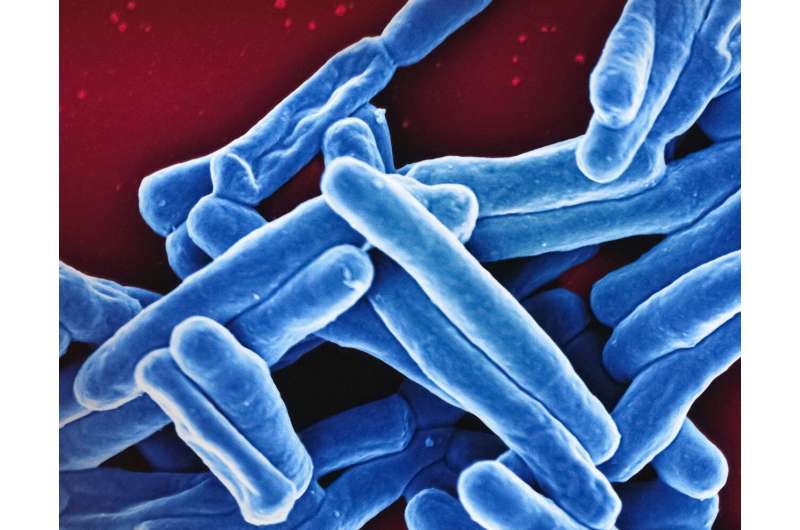
When Dr. Francesca Conradie looks back at the BEAT Tuberculosis trial, she sees proof that South African research can reshape global medicine. The clinical study, conducted at the Clinical Health Research Unit in Gqeberha, Eastern Cape, has fundamentally changed how the world treats drug-resistant tuberculosis — and it did so by including the patients who are too often left behind.
The trial enrolled more than 400 participants over two years during the COVID-19 pandemic, running at the Isango Lethemba TB Research Unit in the Eastern Cape and King Dinuzulu Hospital Complex in KwaZulu-Natal. What set this study apart was its breadth: it included children, pregnant women, and breastfeeding mothers alongside adults — groups that are typically excluded from clinical research.
For years, the standard treatment for drug-resistant TB required a grueling regimen of seven drugs taken over a minimum of nine months. BEAT Tuberculosis tested a streamlined approach: four to five medications, including newer agents bedaquiline and delamanid, administered over just six months. The results, published in the New England Journal of Medicine, have now become the global standard for TB care.
Among the participants were 10 pregnant women. All 10 gave birth to healthy babies, and nine of them were successfully treated for drug-resistant TB. That simple fact — healthy babies born to mothers who received effective treatment — carries enormous weight. "This is a one-size-fits-all treatment regimen," said Dr. Conradie, principal investigator and a researcher at the University of the Witwatersrand. "Adherence is much easier when the 3-year-old, the teenager, the mother and the father are all receiving treatment of similar duration and composition. That simplicity saves lives."
The study has influenced World Health Organization policy on treating drug-resistant TB globally, including for pregnant women and children. South Africa's National Clinical Advisory Committee is already reviewing the regimen for pregnant women with drug-resistant TB, and other provinces are adopting it — particularly when treating children.
The impact matters in stark numbers. Professor Norbert Ndjeka, chief director of TB Control and Management at the National Department of Health, noted that in 2024 alone, South Africa had 249,000 people infected with active tuberculosis, and 54,000 died from the disease. A treatment that is simpler, shorter, and safer — yet more effective — has the potential to reverse those figures.
"Not only did BEAT TB produce world-class research, but it is also being implemented progressively across South Africa and globally," Ndjeka said. "South Africa has accomplished something exceptional." For Dr. Conradie, the circle is now complete. What began in a research unit in the Eastern Cape has become the worldwide benchmark — proof that inclusive science produces better medicine for everyone.