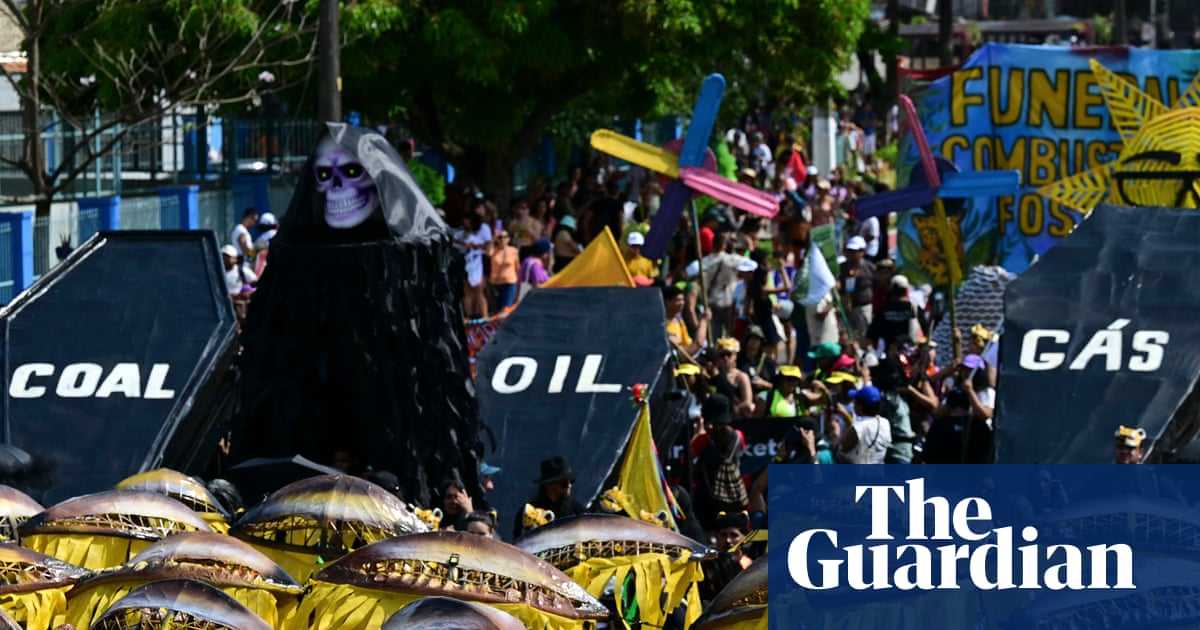
In Santa Marta, a coastal city on Colombia's Caribbean coast, a different kind of global climate summit is about to unfold—one where fossil fuels won't be erased from the conversation, but rather confronted head-on. On April 28 and 29, Colombia and the Netherlands are convening 54 nations committed to charting a concrete path away from coal, oil, and gas, breaking years of deadlock at the annual UN climate talks where such language has been diplomatically buried.
The frustration that sparked this moment is rooted in decades of stalled progress. At last year's UN climate summit, two weeks of deliberations ended without a single mention of fossil fuels in the final agreement—despite overwhelming scientific consensus that they are driving climate breakdown. Colombia, which exports more coal and more oil (fourth-largest in the Americas) than almost any other nation, decided it was time to rewrite the rules. With support from over 50 countries, this "coalition of the willing" offers something the traditional UN process cannot: the freedom to move forward without waiting for the reluctant.
The timing carries unexpected urgency. When planners set the April dates, they didn't anticipate an escalating oil crisis gripping global markets. Yet Irene Vélez Torres, Colombia's environment minister who will preside over the talks, sees clarity in that chaos. "There is a lot of energy stress, there is energy scarcity and it's going to be very difficult for the energy market, and the oil market particularly, to recover any time soon," she said. The crisis spotlights a stark reality: fossil fuel dependency has become a threat to economic stability and peace itself. As Vélez, a former mines minister, put it: "There is a straight line of connection between the fossil fuel economy and armed conflicts at the global scale."
The 54 confirmed countries represent a fifth of global fossil fuel production and roughly a third of global demand—a meaningful coalition, if not comprehensive. The attendees span vulnerable Pacific island nations facing existential climate threats alongside major fuel producers like Nigeria, Angola, Mexico, and Brazil. The UK, Canada, Australia, and the European Union are attending. Notably absent are the world's largest economies and biggest emitters: the US, China, India, Russia, and the Gulf petrostate bloc. Vélez is unapologetic about the exclusions. "Whatever nations have not yet taken that decision, then this is not the space for them. We are not going to have boycotters or climate denialists at the table," she said.
The Santa Marta summit arrives as momentum for renewable energy is building despite global instability. Outside of China, global coal and gas power generation has actually fallen in recent months, while solar generation rose 14 percent and wind surged 8 percent. Millions of households in the UK are installing solar panels, electric vehicles, and heat pumps. The energy transition is already underway—not because of diplomatic consensus, but because cleaner alternatives are becoming economically and practically viable.
Vélez frames the moment as a fork in the road. Nations must choose whether to cling to a fuel-dependent model that breeds conflict and insecurity, or step "on the right side of history" by embracing alternatives. The Santa Marta conference is intended to be the first of a series, complementing rather than replacing the formal UN climate process. After governments agreed in principle to "transition away from fossil fuels" at Dubai's Cop28 summit in 2023, they've taken no concrete steps toward implementation. This gathering aims to change that—moving from aspiration to action, one willing nation at a time.