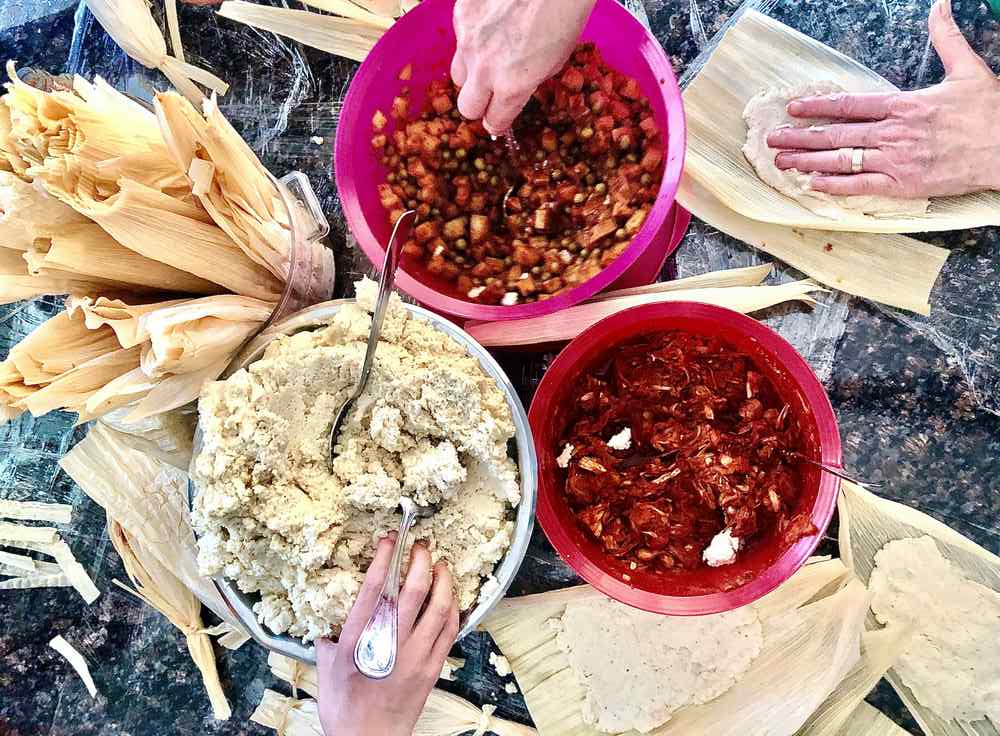
Arta Montoya’s kitchen in Pueblo, Colorado, once became her lifeline—simmering pots of green chile stew and wrapping handmade tamales kept her afloat after a kidney disease diagnosis in 2021. But until recently, selling those meals was against the law. Now, thanks to the new Tamale Act, home cooks like Montoya can legally turn their culinary traditions into small businesses—so long as they complete a food safety course. The law, officially backed by House Majority Leader Monica Dura, marks a turning point for Colorado’s informal food economy, empowering families to share culturally rooted dishes without fear of legal penalty.
For years, Colorado’s food regulations prohibited the sale of any home-prepared food requiring temperature control—like meats, soups, and dairy-based dishes—effectively shutting out beloved family recipes from the marketplace. Only non-perishable items like pickles or coffee beans could be sold under the former rules. This left countless home chefs, many from immigrant or low-income communities, operating in the shadows. The Tamale Act changes that, recognizing not just the economic potential of home cooking, but its cultural value. As Dura put it, people should have the freedom to share the foods they lovingly prepare at their family tables—foods that often carry generations of tradition and identity.
The new law doesn’t open the door wide open—it comes with safeguards. Cooks must complete a certified food safety course to ensure hygiene and handling standards, balancing public health with economic empowerment. But the impact is already being felt. Arta Montoya, who once sold her tamales quietly to neighbors, now sees a future where her kitchen can sustain her medically limited income. Her story is not unique. Across Colorado, grandmothers, stay-at-home parents, and aspiring entrepreneurs are finding dignity and financial stability in their cooking.
This shift also reflects a broader rethinking of what local economies can look like—less corporate, more community-driven. By legalizing home-based food businesses, Colorado joins a growing number of states acknowledging that economic resilience often starts in the kitchen. The Tamale Act isn’t just about food; it’s about trust in people’s ability to make smart choices as both consumers and producers. It’s about honoring the unseen labor of home cooks who’ve long sustained their communities, one meal at a time.
As more Coloradans enroll in food safety courses and launch small ventures, the ripple effects could reshape local food culture. From backyard tamale stands to weekend empanada pop-ups, the future of food entrepreneurship in Colorado is simmering—and it smells like home.