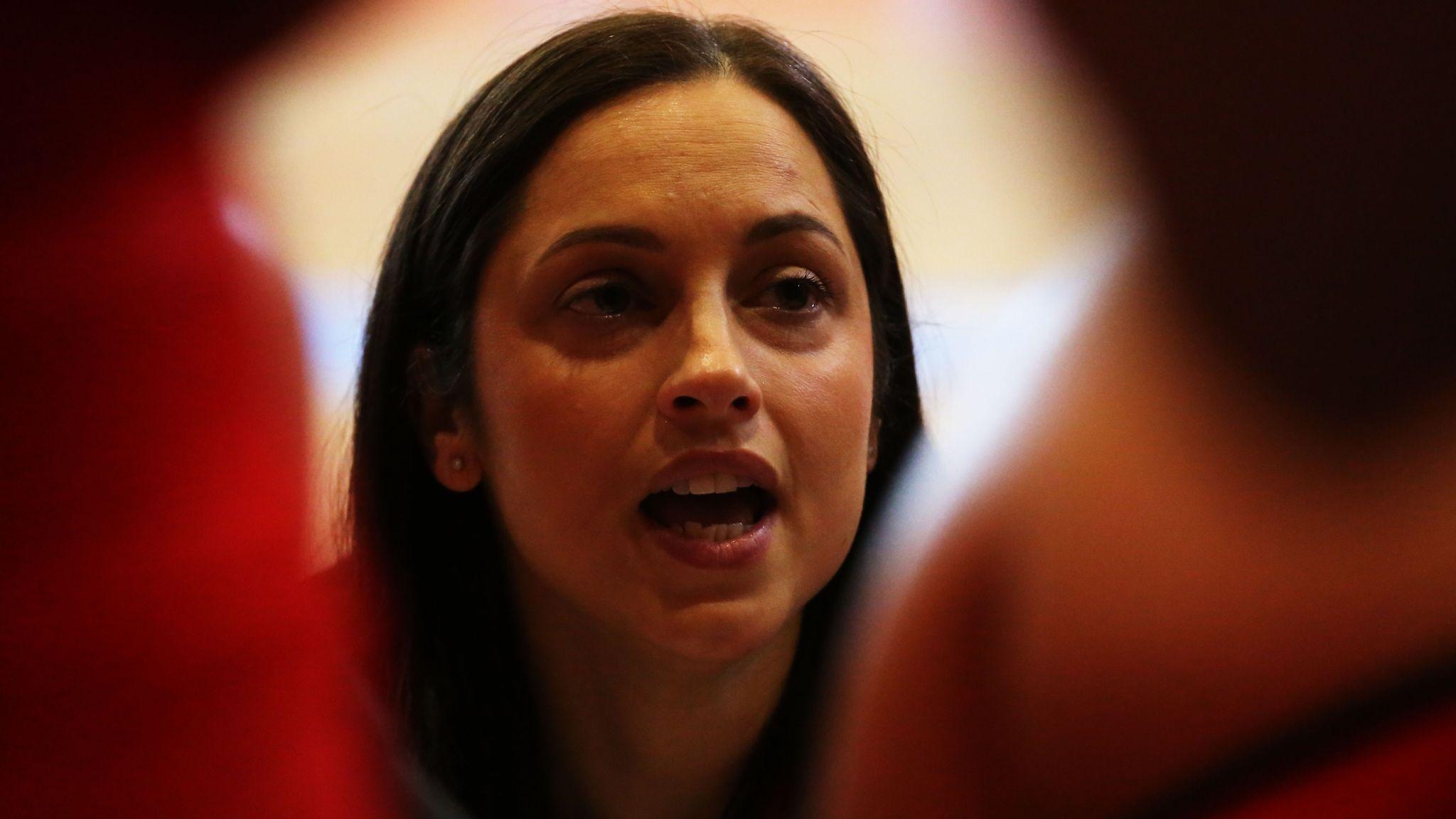
Emily Handyside will step down as Wales Netball head coach after the 2026 Commonwealth Games in Glasgow, marking the end of a four-year tenure that has transformed the Welsh Feathers into a programme positioned for sustained success. The announcement comes with a carefully orchestrated succession plan already in motion, signalling not an ending but a handoff to the next chapter of Welsh netball ambition.
Handyside's departure is significant precisely because Wales Netball has made it clear the programme is stronger for her tenure. "The programme is in a brilliant place," Handyside herself reflected, "we have a fantastic pipeline of talented world-class players, the foundations are strong and the ambition around Ymladd 2030 is genuinely exciting." That conviction matters — it suggests a leader stepping away at a moment of genuine momentum rather than crisis.
The succession is already being shaped. In January, Wales Netball announced that Reinga Bloxham, currently head coach of the Cardiff-based Netball Super League side LexisNexis Dragons, will take on the role of Wales' director of netball at the 2026 Commonwealth Games. This move signals continuity with fresh leadership entering the picture. Recruitment for the permanent head coach position will begin in August following the Glasgow Games, giving Wales Netball time to complete their Commonwealth campaign before searching for Handyside's replacement.
Sarah Boswell, Wales Netball's chief executive officer, offered a telling assessment of what Handyside leaves behind. "Emily has made an outstanding contribution to Wales Netball and the Welsh Feathers," Boswell said. "She leaves the programme in a stronger position than she found it, and everything she has built is the platform from which our next chapter begins." That language — stronger, platform, chapter — speaks to institutional building rather than one coach's personal legacy.
What makes this transition particularly hopeful is the clarity around what comes next. The Welsh Feathers face a World Cup qualifying campaign ahead, and Wales Netball has committed to announcing the coaching team to guide them through that crucial period "in due course." Handyside herself has not revealed her own future plans, leaving open whether she might remain involved in the sport or pursue entirely new directions.
The timing around Ymladd 2030 — Welsh netball's stated ambition to take the sport "to the very top" — frames this moment as deliberately strategic. Rather than a coach burned out or forced out, Handyside's departure appears to be part of a longer vision. By planning succession now, Wales Netball avoids the scramble and uncertainty that can derail programmes. The pipeline of young talent Handyside mentions suggests the foundations she and her team have laid will outlast her tenure.
For a small nation's netball programme, this kind of planning represents genuine maturity. It acknowledges that great coaching is about building systems, developing people, and leaving something better than you found it — then trusting the next generation to take it further. Handyside's four years appear to have done exactly that.