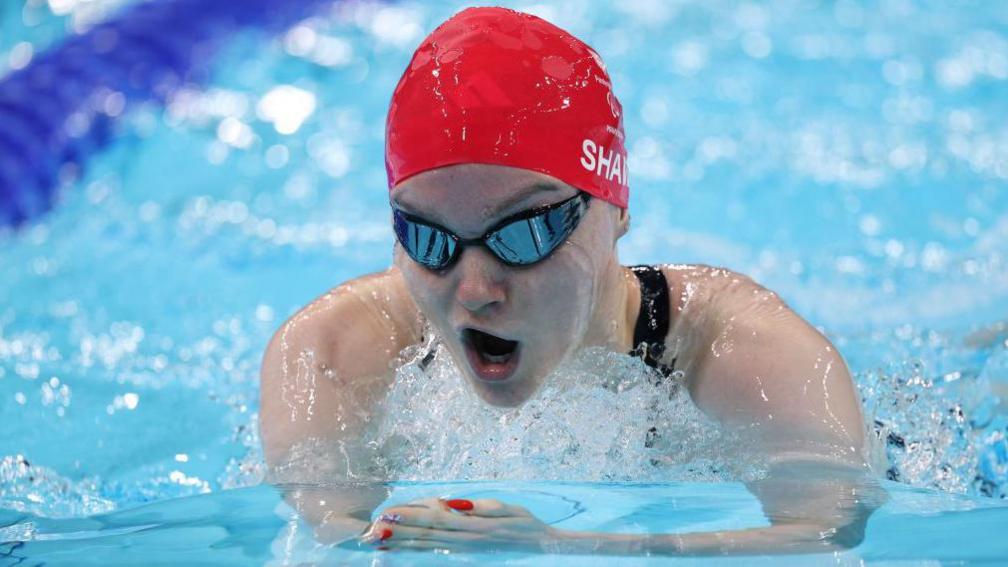
Toni Shaw was 10 years old when she sat in the stands at Tollcross in 2014, watching the Commonwealth Games unfold around her in her native Glasgow. Something shifted that day—a spark of possibility that would reshape the next decade of her life. Now 22, the Scottish swimmer is returning to compete in the 2026 Commonwealth Games in Glasgow, and she believes what she experienced as a spectator will echo across an entire generation of disabled athletes.
Shaw's conviction about the Games' transformative power stems from lived experience. That childhood moment of inspiration proved prophetic; she has since accumulated a remarkable collection of medals at the sport's highest levels, including Paralympic bronze, three world golds, and two European golds. Her Commonwealth Games bronze from Birmingham four years ago sits among them—tangible proof that the dream that began in those Glasgow stands was real.
What makes the 2026 Games distinctive, Shaw argues, is their integrated approach. "It is one of the only competitions where the able-bodied and Para-sports are done side by side," she explains. That proximity matters enormously. When Para-sport athletes compete on the same stage, with equivalent coverage and visibility, the message to disabled young people shifts from exceptional to ordinary—not less remarkable, but simply possible. Shaw sees the 2026 Games as a moment when increased coverage and mainstream integration could inspire other disabled people to pursue sport with the same hunger she felt as a child in the crowd.
"When I was in the crowd, it inspired me. So hopefully other people, if they have a disability, seeing an increased Para-sport participation, it might inspire them to take up a sport," she said. That cascade of inspiration matters in a system where visibility and access remain unevenly distributed. Having competed at the world's greatest sporting stages, Shaw understands what's at stake: a teenager with a disability watching from the bleachers in 2026 could be a medal contender in 2030.
Her own journey to the 2026 Games hasn't followed a straight path. A back injury sustained in 2024 forced a difficult reckoning. Despite steroid injections and treatment, Shaw hasn't yet returned to the times she was posting before the injury struck. That reality has tempered her expectations for Glasgow. "It isn't really achievable" to dream of topping the podium, she acknowledged, with candour about the toll the past year has taken. "It has been quite difficult," she said.
Yet making the team remains her triumph. The back injury could have sidelined her entirely; instead, she'll represent Team Scotland this summer. That's the goal she set, and that's what she has achieved. Walking into Tollcross as a competitor rather than a spectator—10 years after that moment of childhood wonder—remains "a dream come true moment," even if the medals she wins this time may look different than the ones that came before.
Shaw plans to give everything she has. For someone who spent a decade chasing the dream that began in the crowd, that promise carries weight. And whether or not she reaches the podium, her presence—and the presence of Para-sport athletes across integrated competitions—will send the same message to the next generation of disabled kids watching from the stands.