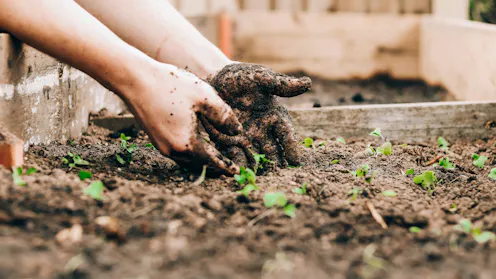
In London, Ontario, the staff members at Urban Roots gather around the harvest table with something more valuable than fresh vegetables—they're holding proof that urban agriculture works. Since the city adopted Canada's first stand-alone Urban Agriculture Strategy in 2017, community gardens and urban farms across North America and Europe have quietly begun transforming neighbourhoods, one plot of soil at a time.
The benefits are real and measurable. Community gardens create access to local, fresh food that reduces reliance on convenience food, particularly for low-income communities, immigrants, and seniors who often struggle with food access. Young urban farmers in places like Khayelitsha are nurturing connections between neighbours, creating economic opportunities, and promoting environmental conservation. When these spaces are socially inclusive, the transformation deepens: the knowledge, skills, and experimentation of migrant and refugee gardeners make entire gardens more resilient and biodiverse.
A study of dozens of city gardens and urban farms across the US and Europe found several ways to boost their benefits, not just for their neighbourhoods, but for the planet itself. Recycling construction materials and water can make urban agriculture more sustainable, turning underused urban land into thriving food systems. The Murrayburn and Hailes Neighbourhood Garden in Scotland exemplifies what's possible when communities take root in their local soil.
Yet the path forward isn't without challenges. London, Ontario's ambitious Urban Agriculture Strategy, now almost eight years old, has seen many of its goals remain unrealized—a reminder that good intentions require sustained commitment and resources. Gardens require huge labour, and outcomes like health, wellbeing, and food security are affected by systemic barriers people face in cities and schools. The presence of lead contamination in soil, stemming from decades of leaded gasoline, deteriorating paint, and industrial activity, adds another layer of complexity. However, experts agree that the benefits of gardening outweigh these risks, and there are plenty of simple, affordable steps gardeners can take to protect themselves.
Ontario's proposed Food Literacy Act for Students offers a glimpse of what systemic change might look like. As a first in Canada, it would mean students in grades 1-12 would have opportunities to grow food, prepare meals, and learn about local foods—building understanding of where food comes from and how to plan, select, prepare, and eat healthy meals from an early age. This reflects a broader recognition that failing to understand what communities consider important greatly diminishes the responsiveness of policies to actual needs.
The evidence is building that community-centred approaches to urban agriculture have been successful in various parts of the world. From Nouakchott, Mauritania to London, Ontario, from Scotland to South Africa, these gardens are doing more than producing food. They're building social cohesion, creating economic pathways, and proving that cities can be places where fresh, healthy food grows within reach of those who need it most. The question now is whether cities will match the energy of their gardeners with the systemic support these spaces deserve.