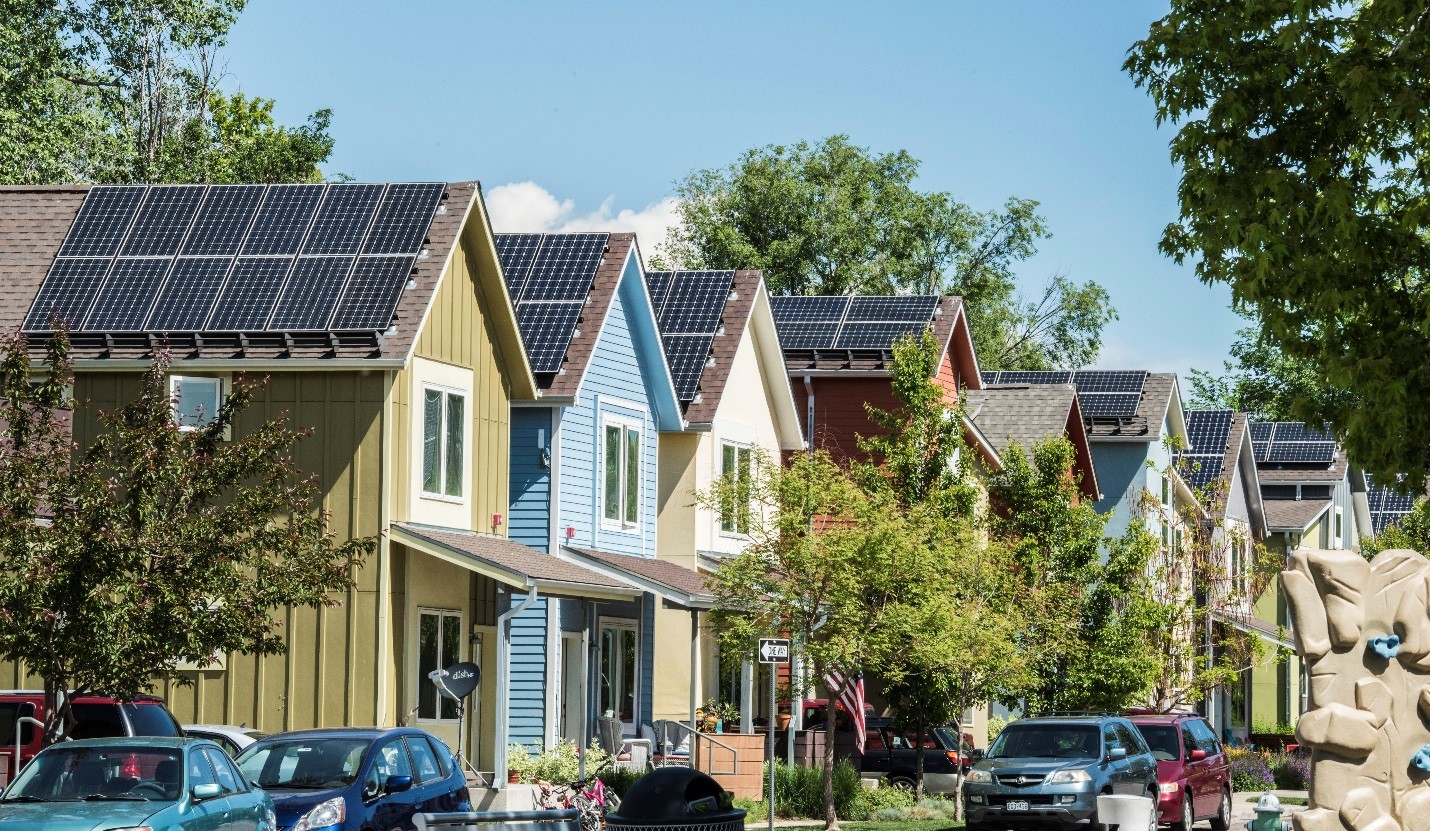
Across 44 U.S. states, a quiet revolution is unfolding in how Americans access solar energy—without a single panel on their roof. Community solar projects are democratizing renewable power, allowing households and businesses that have long been locked out of rooftop installation to finally tap into the sun's benefits. This matters because, according to the National Renewable Energy Laboratory, nearly 50% of households and businesses cannot host rooftop solar systems at all.
The barriers are real and varied. Some people rent their homes and lack authority to modify their roofs. Others face physical constraints: deep shade from trees, insufficient roof space, poor structural integrity, or the simple reality that upfront installation costs remain prohibitive for many families. For these millions of Americans, community solar opens a door that would otherwise stay closed.
Here's how it works: a community solar project generates electricity from panels installed at a shared location—typically a field, parking structure, or other ground-mounted installation. That electricity flows through a meter to the utility grid, just like power from any traditional energy source. Households and businesses subscribe to a share of the project's output, paying a monthly subscription fee. The local utility then pays the community solar provider for the energy generated, and each subscriber receives a credit on their electric bill that reflects their proportional share of the electricity their subscription produced. It's straightforward: lower monthly electricity costs without the complexity of personal installation or maintenance.
The benefits extend far beyond individual savings. Community solar builds local wealth, creates jobs in installation and maintenance, and strengthens resilience during blackouts and severe weather events. Because the systems are distributed across communities rather than concentrated in wealthy neighborhoods with ideal roofs, the technology has the potential to make clean energy genuinely equitable—available to apartment dwellers, renters, people in older buildings, and those in low-income neighborhoods where rooftop solar penetration has historically lagged.
The infrastructure for this is expanding. Investor-owned utilities, municipalities, and cooperatives across the country are developing and operating community solar programs. These projects are particularly meaningful for multifamily housing, where a single rooftop installation cannot serve dozens or hundreds of units fairly. Community solar lets residents of apartments and condos participate in the solar economy at last.
Consumer protections have been built into the framework as well, ensuring that subscribers understand their commitments and have recourse if projects fail to deliver promised benefits. State regulations and utility oversight provide guardrails that prevent exploitation and maintain transparency.
What makes community solar genuinely transformative is its scale of potential. Nearly half of all American households and businesses were previously excluded from solar's benefits through no fault of their own. Community solar doesn't ask whether your roof faces south or whether you own your home—it simply asks if you want to lower your electricity bills and support clean energy. That accessibility is why this model, now operating across 44 states, represents something larger than a niche energy option. It's a path toward making renewable energy available to everyone.