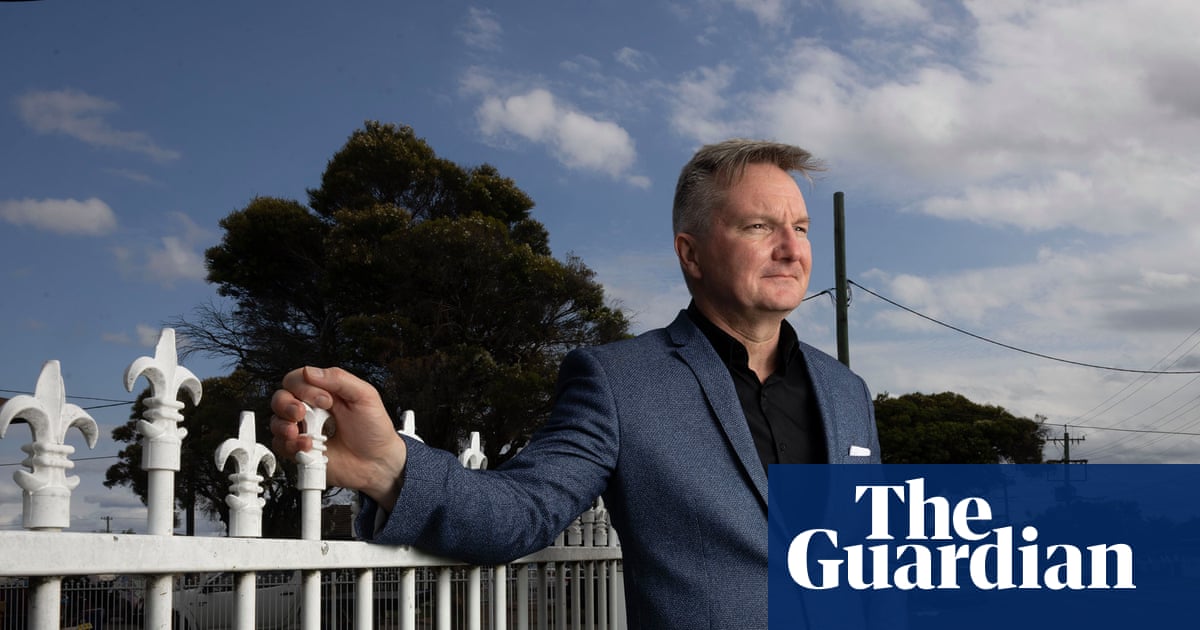
When Chris Bowen settled into his role as president of climate negotiations for COP31, the Australian climate minister brought an unusual perspective: sometimes crisis creates opportunity. The fallout from the Iran war, he argues, is reshaping how countries think about energy security—and opening a door to climate progress that had seemed stuck.
Bowen, a former western Sydney Labor MP who previously served as mayor, has spent two decades in politics. Now, at the UN climate summit set for November in Turkey, he's positioned to steer nearly 200 countries toward consensus on one of the world's most fractious issues. His timing matters. The energy market disruption caused by the Iran conflict represents the second major oil shock in four years—the first being Russia's invasion of Ukraine in 2022—and it's hitting Asia particularly hard. Yet Bowen says this pain is changing minds in ways that lobbying rarely does.
In private meetings with Asian leaders and ministers, a consistent message has emerged: energy upheaval underscores the folly of relying on imported oil. Rather than doubling down on fossil fuels, these officials are emphasizing the need for energy sovereignty and reliability through renewable energy and electrification. "No one has said this crisis is a reminder that we need to be more reliant on fossil fuels," Bowen told the Guardian. The shift reflects a broader reassessment happening in capitals worldwide. Fatih Birol, head of the International Energy Agency, has made the same argument: the Iran war is turning countries away from oil toward more secure energy supplies and will fundamentally change the fossil fuel industry.
This reframing is playing out across multiple forums. Countries gathered recently for the Petersberg climate dialogue hosted by Germany and the first international conference on transitioning away from fossil fuels in Santa Marta, Colombia. That conference, co-hosted by Colombia and the Netherlands, exists partly as a response to frustration with petrostates like Saudi Arabia and Russia, which opposed clear language about phasing out fossil fuels at the COP30 summit in Brazil last November. More than 50 countries attended, including fossil fuel producers Canada, Nigeria, Mexico, Brazil, and Turkey—notably absent were the world's biggest emitters: China, the US, India, and Russia. The US has also withdrawn from UN climate summits under Donald Trump.
Australia, itself a leading coal and gas exporter that continues approving new fossil fuel projects even as households install solar panels at record rates, backed Colombia's declaration in Brazil calling for transition away from fossil fuels and sent officials to Santa Marta. Bowen sees that event as momentum-building rather than competing with COP31. He said he spoke with Colombia's environment minister, Irene Velez Torres, and both agreed the Santa Marta results would feed into the UN process.
Running COP31 itself required compromise. After a lengthy standoff, Turkey and Australia struck an unusual agreement: Turkey hosts the conference in Antalya while Australia leads the formal negotiations. Bowen acknowledged the unconventional arrangement but expressed confidence that disagreements would be resolved through consensus.
He remains pragmatic about what COP negotiations can now achieve. Since the Paris Agreement in 2015, commitments have lowered projected global warming from 4°C to approximately 2.5°C above preindustrial levels—if existing promises are kept. Bowen no longer expects summits to be "outstanding successes or heartbreaking failures" like Paris or Copenhagen. Instead, he sees them as vehicles for incremental progress. "The question is how big that progress is," he said. His job is steering as strong results as possible through a world grown more chaotic, divided, and war-torn than anyone imagined when he entered politics.