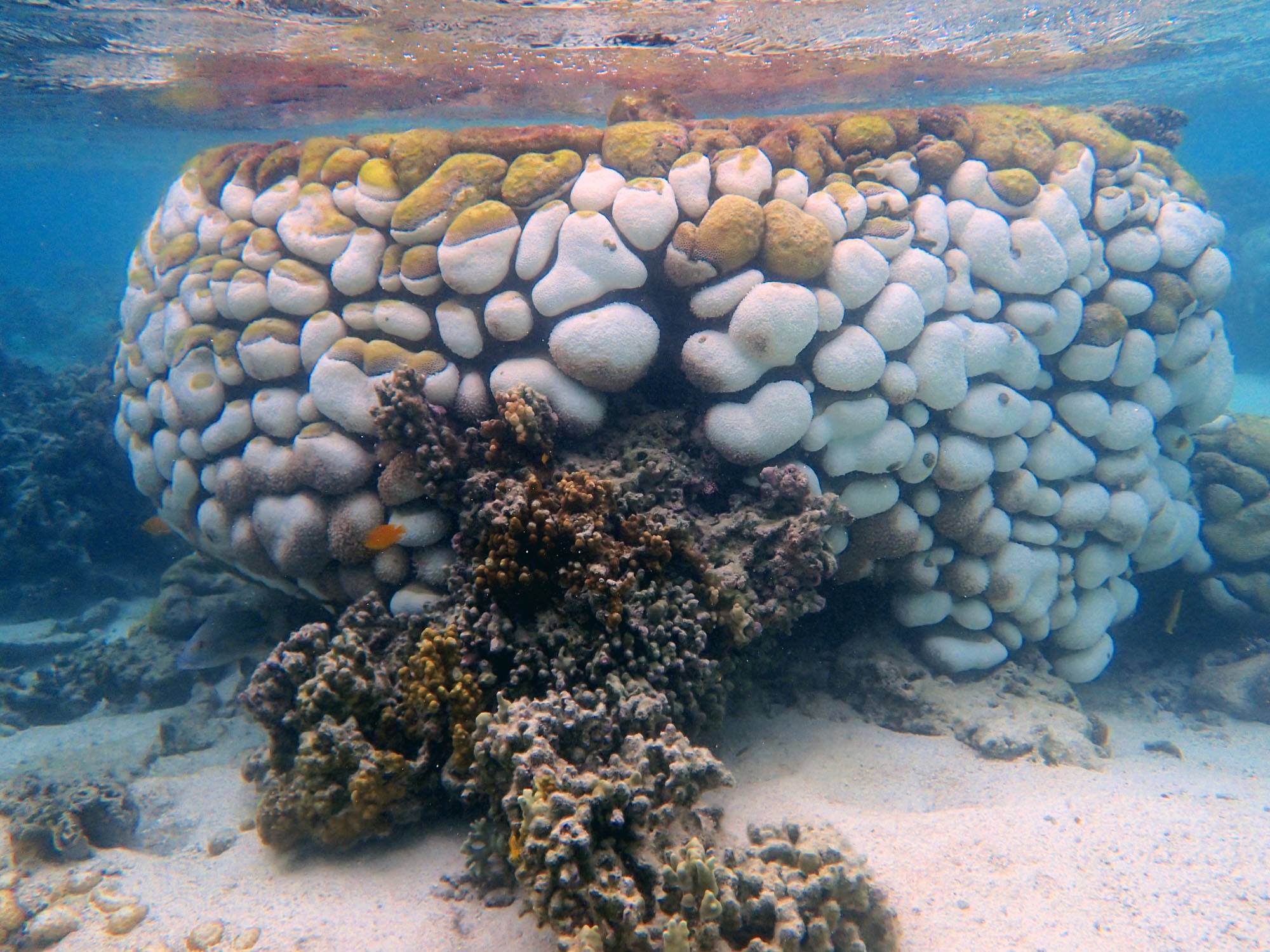
On a quiet stretch of the Great Barrier Reef, 44,608 small devices—each cradling about 10 young corals—have been placed like underwater seeds on damaged reef patches, marking a quiet but monumental act of hope. This is not just restoration; it’s a race to outpace climate change. Led by researchers from the Australian Institute of Marine Science (AIMS), in collaboration with rangers and marine biologists, the effort follows the devastating 2024 marine heatwave that triggered both mass coral bleaching and an unprecedented outbreak of black band disease. At One Tree Reef, three-quarters of the monitored Goniopora colonies—large, slow-growing corals vital to reef structure—perished within a year, their skeletal remains a silent testament to a changing ocean.
The stakes could not be higher. Coral reefs support over a billion people worldwide through fisheries, tourism, and coastal protection. Yet as Professor Maria Byrne of the University of Sydney warns, “What we’re witnessing is a collapse in the natural resilience of these ecosystems.” The loss of these foundational corals doesn’t just alter the reef’s appearance—it unravels entire marine communities. In response, scientists are rewriting the playbook. Before the seeding devices could be deployed, 130 people spent days collecting an estimated 14.6 million coral eggs during a fleeting spawning event, a feat of precision and patience. The resulting young corals were nurtured in aquaculture facilities until they were strong enough to be placed on the reef in biodegradable seeding units designed to dissolve over time.
Monitoring this recovery is just as critical. A vast network of 300 temperature loggers, buoys, and ocean gliders—part of AIMS’ collaboration with the Integrated Marine Observing System (IMOS)—now tracks conditions across the reef. Oceanographer Simon Spagnol describes the challenges: “A tenacious barnacle can ruin months of data.” Even a thumb-thick wire can swell to four times its size under marine growth, disrupting sensors. Simple fixes—zinc cream, copper tape—help, but the real solution is persistence. Meanwhile, research from James Cook University reveals that bleaching isn’t just about summer heat. Winter conditions months earlier can weaken corals, making them more vulnerable—insight that’s reshaping how scientists predict and respond to stress.
The 446,000 young corals now settling into their new home represent more than biology; they are a statement of belief in the reef’s future. While global emissions remain the ultimate determinant, this hands-on, science-led intervention proves that even in the face of collapse, action is possible. As the devices dissolve and the corals grow, the world watches—not just to see if they survive, but to remember what we’re fighting to protect.