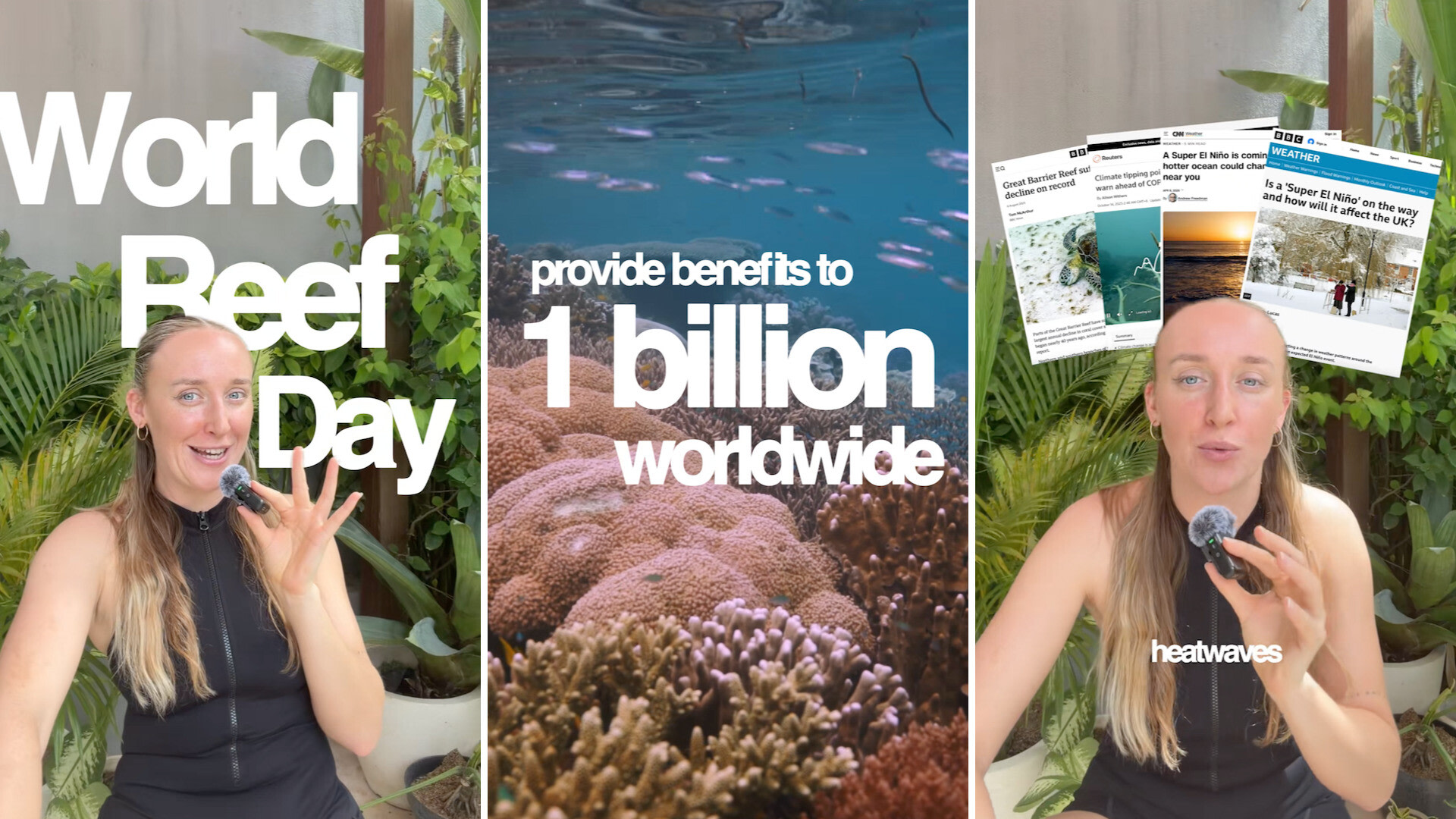
Mads, a marine biologist whose social media following has grown into a platform for ocean advocacy, recently issued a call that cuts through the despair surrounding our coral reefs: it is time to "double down" on restoration work, not retreat from it.
The urgency behind her message stems from a stark reality. "We have placed these ecosystems under a pressure that they have never before encountered," Mads explains. What makes her plea resonate is not doom-and-gloom rhetoric, but clarity about what's at stake and why the work matters. Coral reefs—often called the rainforests of the sea—support extraordinary marine biodiversity, sustain global fisheries that feed millions, and protect coastlines from storm damage. When they decline, the effects ripple across ocean ecosystems, coastal communities, food systems, and local economies.
The devastation is tangible. Mads describes witnessing coral reefs transform from bustling hubs of marine life into bleached graveyards. "It breaks my heart to see what once were cities turn into graveyards," she says, capturing the emotional weight of ecological loss that scientists witness firsthand. Yet rather than accepting this trajectory as inevitable, she insists it demands the opposite response: intensified effort, not acceptance.
Researchers worldwide are racing against time to understand which restoration approaches can be most effective as waters warm and reefs face mounting stress from pollution and other human-driven pressures. The scientific challenge is genuine—there is no silver bullet, no single solution. But Mads's message pivots away from the paralysis that can accompany overwhelming environmental challenges. The existence of threats, she argues, is precisely the reason to invest more heavily in solutions, not less.
What distinguishes her appeal is the balance between realism and hope. Mads acknowledges the severity of the crisis without surrendering to it. "There is still hope," she says. "There is still time. And now is not the time to quit; it's the time to double down." This matters because coral reef restoration is not theoretical work conducted in laboratories—it's hands-on, place-based science. It involves researchers and local communities working together to propagate coral fragments, establish nurseries, and carefully monitor recovery. It requires sustained funding, political will, and global cooperation.
Her voice—emerging from social media, speaking directly to a broad audience—reflects a shift in how scientific urgency is being communicated. Rather than waiting for peer-reviewed journals alone to carry findings, scientists increasingly are meeting people where they are, translating their expertise into accessible calls for action. In Mads's case, that translation is simple and powerful: the situation is serious, but it is not hopeless. More work, not less, is the answer.
The reefs that once thrived as underwater cities can recover. Their recovery requires commitment, resources, and people willing to believe that the effort matters. Mads is betting on exactly that kind of commitment. And in an era when environmental news can feel relentlessly bleak, her refusal to quit—and her call for others to do the same—offers a clarifying vision of what hope actually looks like.