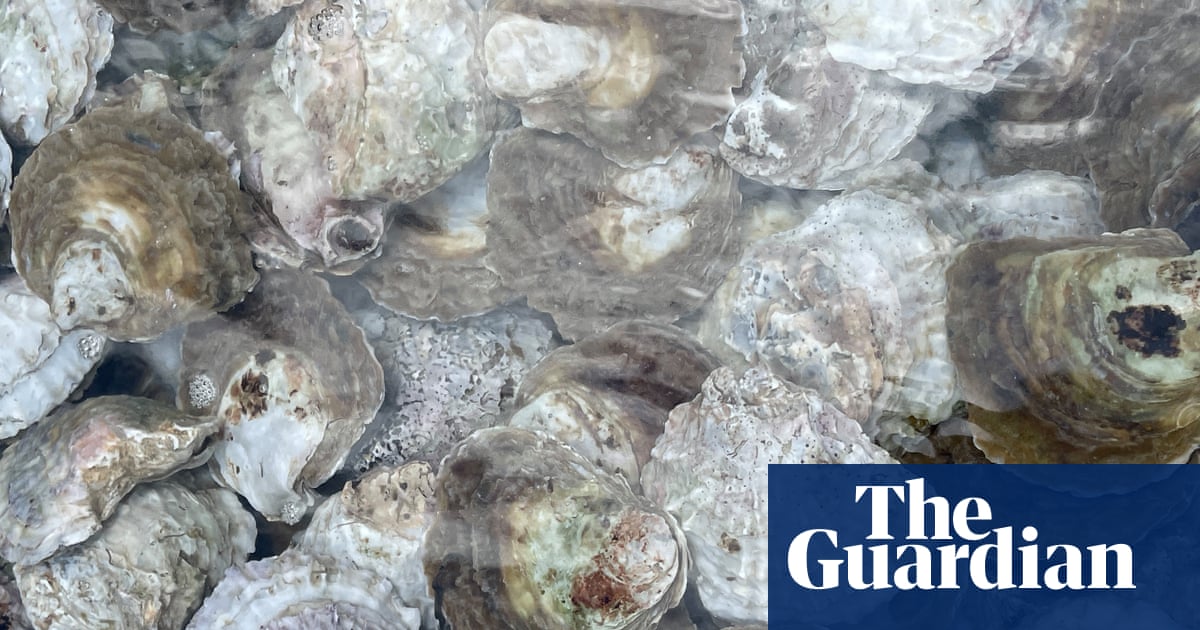
Twenty thousand oysters, each one scrubbed by hand, sat waiting on stainless steel benches in a seaside lab near the Solent—destined, we hoped, for a second chance. Native oysters (Ostrea edulis) once formed vast reefs in these waters, their beds so extensive they shaped the seafloor for millennia. But over a century of overfishing, pollution, and disease—exacerbated by invasive Pacific oysters—has wiped out 96% of their population. Now, the Solent Oyster Restoration Project is fighting to bring them back, one meticulously cleaned shell at a time. This isn’t just about seafood; it’s about restoring an entire ecosystem. Oyster reefs filter water, shelter fish, and build complex habitats that support biodiversity in ways few other species can. The oysters being prepped that day had been grown from broodstock in the River Fal, nurtured in Anglesey, and brought south with a mission: to seed the UK’s largest subtidal native oyster reef. But first, they had to pass biosecurity with flying colours.
That’s where the 260 volunteers came in. Dressed in lab coats and nitrile gloves, we worked in teams, armed with brushes and forceps, cleaning each oyster to remove parasites and non-native hitchhikers. Calcareous tubeworms clung like dental tartar, their chalky tubes cemented tight. Slipper limpets, stacked in eerie spirals, had sometimes fused to the oysters’ shells, creating strange, hybrid forms. Every oyster was tested—squeezed three times. If it didn’t close, it was dead. These were set aside to become “cultch,” ground shell spread on the seabed to give future larvae something to cling to. One open shell held a surprise: a juvenile shore crab, already feasting. By lunch, our benches were slick with brine and shell shards, and the faint scent of the sea lingered on our clothes.
After cleaning, the oysters soaked in a chlorine bath to kill any microscopic threats, then were weighed, measured, and packed for their final journey by boat to the reef. The project’s strategy is two-pronged: reseed the seabed with juveniles and suspend cages of mature oysters beneath pontoons, where they can release millions of larvae each season. If successful, this could mark the beginning of a self-sustaining population in a region where oysters haven’t thrived for generations. The work is slow, hands-on, and deeply hopeful. It’s science with a heartbeat, conservation that asks not just for funding or policy, but for people to show up, roll up their sleeves, and scrub a few thousand shells. And as the tide turned that afternoon, and the boats prepared to carry the oysters out, there was a quiet sense that something ancient was being handed a future.